





Why Your Garden is a Mosquito Magnet
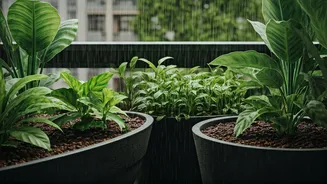
Your beautiful terrace garden, with its dense foliage and regular watering, can unfortunately create the perfect environment for mosquitoes. These insects thrive in warm, humid conditions and, most importantly, they need stagnant water to breed. Female
mosquitoes can lay hundreds of eggs in a pool of water as small as a bottle cap. These eggs hatch into larvae, and within days, your garden can host a new generation of pests. Common culprits in a terrace garden include water collecting in plant saucers, clogged drains, forgotten buckets, and even dense, overgrown plants that trap moisture. Understanding these breeding grounds is the first step to dismantling them.
The Water Filter: Eliminate All Standing Water
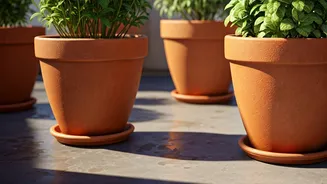
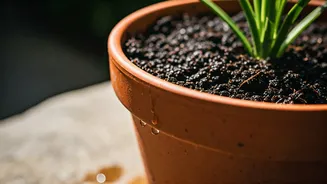
The single most effective way to control mosquitoes is to remove their breeding sites. This means conducting a regular 'dump patrol' of your terrace at least once a week. Pay close attention to the saucers under your plant pots; they are the primary breeding ground in a garden setup. Empty them regularly or, even better, fill them with gravel to absorb excess water. Ensure all drains on your terrace are clear of leaves and debris to prevent blockages where water can pool. Turn over empty pots, buckets, and watering cans so they don't collect rainwater. A water source that is consistently eliminated is a filter that mosquitoes cannot bypass.
The Plant Filter: Harnessing Nature's Repellents
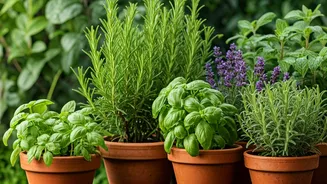
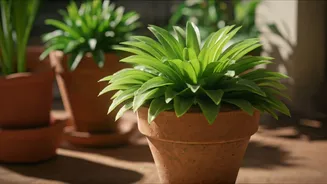
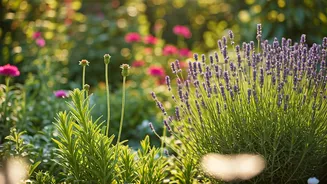
While no plant can create an impenetrable forcefield, several varieties are known to repel mosquitoes and can be a valuable part of your filter system. Plants with strong scents are particularly effective because they can mask the carbon dioxide and other smells that attract mosquitoes to humans. For Indian climates, some of the best choices include Citronella Grass, Lemongrass, Marigolds, Lavender, Tulsi (Holy Basil), and Mint (Pudina). Citronella and Lemongrass contain oils widely used in commercial repellents. Marigolds contain pyrethrum, a natural insecticide, and thrive in summer heat. Lavender's scent is calming for humans but detested by many insects. Placing these plants strategically near seating areas or entrances can help create a fragrant, protective barrier.
The Maintenance Filter: Good Gardening Habits
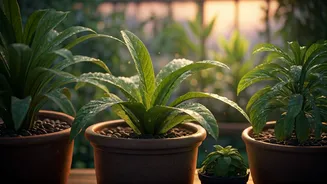
A well-maintained garden is less hospitable to pests. Overgrown and dense foliage provides cool, damp resting spots for adult mosquitoes during the day. Regular pruning and trimming not only keep your plants healthy but also improve airflow, making the area less appealing to mosquitoes. Avoid overwatering your plants, as consistently damp soil can contribute to higher humidity and attract pests. Ensure your pots have adequate drainage holes to prevent waterlogging at the roots. A tidy garden without clutter like old tarps or unused containers further limits potential hiding and breeding spots. These simple maintenance tasks are a crucial layer in your mosquito filter.
The Barrier Filter: Additional Lines of Defence
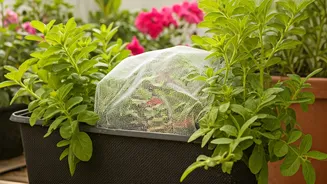
For added protection, especially during peak mosquito hours around dusk and dawn, consider physical barriers and other tools. A strong oscillating fan on your balcony or terrace can make it difficult for weak-flying mosquitoes to navigate. For standing water that you cannot eliminate, such as in a small water feature, consider using 'mosquito dunks'. These are small, solid rings containing Bti, a naturally occurring bacterium that is toxic only to mosquito larvae and is safe for other animals and plants. Fine-mesh screens can also be installed to block entry points. By combining these physical deterrents with a clean, well-maintained garden, you create a comprehensive system that makes your terrace a no-go zone for mosquitoes.