

The Challenge of Breathing in a Bubble
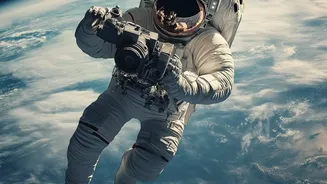
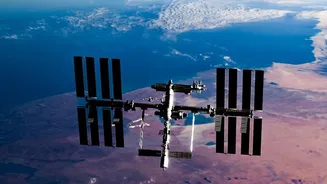
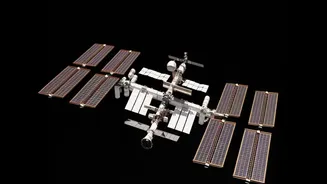
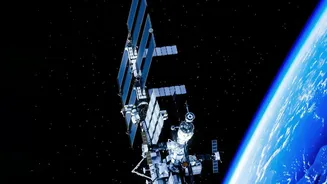
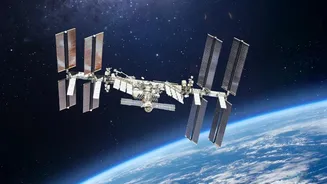
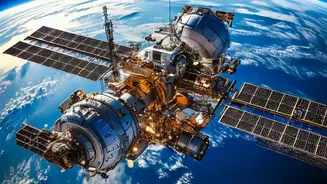
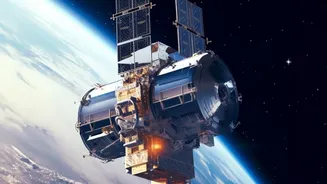
Living in space isn't just about floating in zero gravity; it's a constant battle against the environment. Inside the International Space Station (ISS), every astronaut is a living, breathing generator of carbon dioxide (CO2). On Earth, plants and vast
atmospheric systems handle this, but in a closed loop like a space station, that CO2 builds up quickly. High levels of CO2 are toxic, causing headaches, dizziness, and eventually suffocation. Simply launching an endless supply of oxygen tanks from Earth is incredibly expensive and logistically nightmarish for long-term missions. To make a sustained human presence in space possible, NASA and its partners needed to create a life support system that was regenerative, recycling waste products back into essentials.
Step One: Making Oxygen from Water
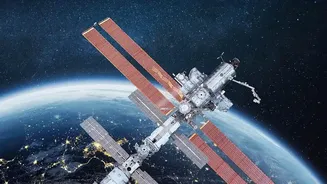
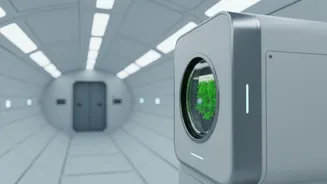
The first part of the solution is the Oxygen Generation System (OGS). This remarkable piece of equipment works through a process called electrolysis. Essentially, it uses electricity, generated by the station's massive solar arrays, to split water (H2O) molecules into their constituent parts: breathable oxygen (O2) and hydrogen (H) gas. The oxygen is released into the cabin atmosphere for the crew to breathe, while the hydrogen is captured for the next step. This system is a game-changer, but it requires a steady supply of water. While much of this water is meticulously recycled from sources like astronaut breath, sweat, and even urine, the process isn't perfect and still requires some water to be shipped from Earth.
Step Two: Turning Bad Air into Good Water
This is where the real magic happens. The CO2 that astronauts exhale is scrubbed from the air by a system called the Carbon Dioxide Removal Assembly (CDRA). But instead of just venting this waste CO2 into space, another device, called the Sabatier system, puts it to work. It takes the captured CO2 and reacts it with the hydrogen produced by the oxygen generator. This chemical reaction, named after the French chemist Paul Sabatier, produces two new substances: methane (CH4) and, crucially, more water (H2O). The methane is considered a waste product and is currently vented into space from the ISS, but the water is the prize.
Closing the Loop for a Sustainable Future
The water created by the Sabatier system is the key to making the entire life support system a nearly closed loop. This newly produced water is fed back into the Oxygen Generation System, where it can be split again to make more oxygen. This elegant cycle means that the same water molecules can be used over and over again, dramatically reducing the amount of water that needs to be launched from Earth. Systems like the European Space Agency's Advanced Closed Loop System (ACLS) aim to recycle about half of the CO2, saving an estimated 400 liters of water from being sent up each year. This level of efficiency is what transforms a space station from a temporary outpost into a more self-sufficient habitat.
Blueprint for Mars and Beyond
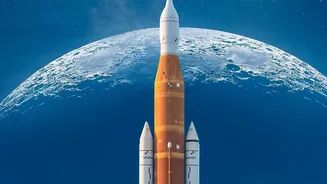
This technology is far more than just a clever way to keep the ISS running. It is a critical proving ground for the future of human exploration. For a mission to Mars, which would take years, resupply missions from Earth are not an option. Astronauts will have to be completely self-sufficient, a concept known as in-situ resource utilization. The ability to recycle air and water with near-perfect efficiency is non-negotiable. Furthermore, the Martian atmosphere is about 95% carbon dioxide. Future technologies could adapt the principles of the Sabatier system to use the Martian atmosphere itself to create breathable air and even rocket propellant for the journey home, making humanity's dream of becoming a multi-planetary species a tangible possibility.