





First, What Are Blue Bonds?
Think of a blue bond as a loan taken out for a specific, eco-friendly purpose related to water. Much like the more familiar green bonds that fund environmentally friendly projects, blue bonds are debt instruments issued by governments or corporations
to raise capital. The key difference is that the proceeds are exclusively earmarked for projects that support a sustainable blue economy. This isn't just about oceans; the scope is broad, covering everything from marine conservation and sustainable fisheries to freshwater management and wastewater treatment. An issuer borrows money from investors with the promise of repaying it with interest, and in return, that capital is used to build or support projects that protect our planet's most vital resource: water.
Why is India Diving In?
With a coastline stretching over 7,500 kilometers and a maritime trade that accounts for 95% of its volume, India's connection to the ocean is fundamental to its economy. The government has identified the 'blue economy'—the sustainable use of ocean resources for economic growth—as a major driver for future development. Currently contributing about 4% to the nation's GDP, there is a strong belief that this sector holds immense, untapped potential. To unlock it, significant investment is needed. The Securities and Exchange Board of India (SEBI) has been developing a regulatory framework to formally recognise blue bonds. While specific rules are still emerging, the intent is to create a transparent and attractive market for investors, aligning with India's broader climate commitments, such as achieving net-zero emissions by 2070.
Transforming Urban Water Infrastructure
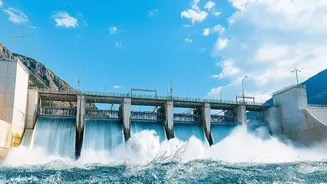
For India's municipalities, blue bonds could be a game-changer. Many cities grapple with the dual challenges of ensuring clean drinking water and managing vast amounts of wastewater. Blue bond financing could be channelled directly into critical urban infrastructure projects. This includes the construction and upgrading of sewage treatment plants (STPs) to prevent pollution of rivers and lakes, building robust piped drinking water networks to improve public health, and creating modern stormwater management systems to mitigate urban flooding. By attracting dedicated capital for these initiatives, cities can tackle water stress and improve the quality of life for millions of residents, funding projects that might otherwise struggle to secure traditional financing.
A New Tide for Maritime and Coastal Projects
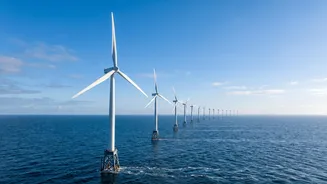
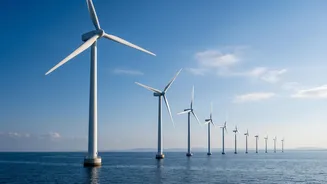
The benefits for India's maritime sector are vast and varied. Blue bonds can fund the greening of port infrastructure, supporting projects that reduce the environmental footprint of shipping and logistics. They can also accelerate the development of marine renewable energy, such as offshore wind and tidal power projects, helping India diversify its energy mix. Beyond industry, these bonds can support coastal communities by financing sustainable fisheries, restoring vital ecosystems like mangroves that protect against erosion and storms, and promoting eco-tourism. These investments not only protect natural assets but also secure the livelihoods of over 4 million people in India's coastal communities.
Navigating the Challenges Ahead
The journey is not without its obstacles. A key challenge is preventing 'blue-washing'—where funds are claimed to be for sustainable projects but lack real, verifiable impact. Establishing a robust framework with clear definitions, transparent reporting, and independent verification is crucial for building investor confidence. SEBI's efforts to create guidelines specifically for blue bonds, potentially as a sub-category of green debt, are a critical step in this direction. Ensuring that the projects chosen deliver measurable environmental and social benefits will be the ultimate test of success, turning financial innovation into tangible progress on the ground and in the water.