





More Than Just a Condiment
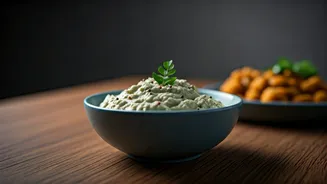
In the world of Indian cuisine, chutneys are not mere afterthoughts; they are essential components that balance, enhance, and complete a dish. And among them, coconut chutney reigns supreme for its creamy texture and versatile flavour. It's the indispensable
partner to South Indian staples like idli, dosa, and vada. But its role extends far beyond the breakfast table. Think of it as a tool for making healthy eating sustainable. A bland meal of steamed vegetables or millets can feel like a chore, but a spoonful of fresh, zesty coconut chutney transforms it into a satisfying culinary experience. It adds the 'wow' factor that keeps you committed to your health goals, proving that nutritious food doesn't have to be boring.
The Power of Fresh Coconut
The star ingredient, fresh coconut, is a nutritional powerhouse. While often flagged for its high saturated fat content, the fats in coconut are primarily medium-chain triglycerides (MCTs). Unlike long-chain fatty acids found in many other foods, MCTs are metabolised differently. They are sent straight to the liver from the digestive tract, where they can be used as a quick source of energy or turned into ketones. This makes them less likely to be stored as body fat. Furthermore, coconut is a fantastic source of dietary fibre, which is crucial for digestive health, blood sugar regulation, and promoting a feeling of fullness. This satiety factor is key; a little chutney can make your meal feel more substantial, helping to curb cravings later on.
A Symphony of Supporting Ingredients
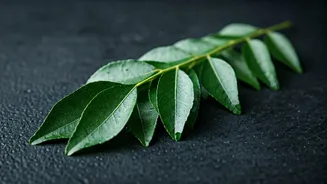
A great coconut chutney is a team effort, with each ingredient bringing its own unique benefits to the table. A small amount of roasted chana dal or urad dal adds not only a nutty depth and creamy texture but also a bit of protein and fibre. Green chillies, used for that essential kick of heat, contain capsaicin, a compound known for its metabolism-boosting and anti-inflammatory properties. Ginger is a celebrated digestive aid, helping to soothe the stomach and fight nausea. And those fragrant curry leaves? They aren't just for aroma. They are packed with antioxidants, which help protect your body's cells from damage. Together, these elements create a condiment that is as nourishing as it is delicious.
Your Perfect Base Recipe
Making fresh coconut chutney is surprisingly simple and infinitely better than store-bought versions. Here’s a classic, no-fail recipe you can master in minutes: **Ingredients:** - 1 cup fresh grated coconut - 2-3 green chillies (adjust to your spice preference) - 1-inch piece of ginger, roughly chopped - 1 tablespoon roasted chana dal (pottukadalai) - Salt to taste - A little water for grinding **For the Tempering (Tadka):** - 1 teaspoon coconut oil - ½ teaspoon mustard seeds - 1 dried red chilli, broken - A pinch of asafoetida (hing) - 4-5 curry leaves **Method:** Combine the coconut, green chillies, ginger, roasted chana dal, and salt in a blender. Add a few tablespoons of water and grind to a smooth paste, adding more water as needed to reach your desired consistency. Transfer to a bowl. For the tadka, heat the oil in a small pan. Add the mustard seeds and let them splutter. Add the red chilli, hing, and curry leaves. Sauté for a few seconds and pour this tempering over the chutney. Mix well before serving.
Beyond the Idli and Dosa
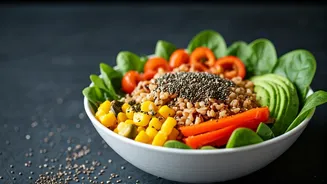
While it’s a classic with tiffin items, coconut chutney’s ability to 'complete' a meal truly shines when paired with other healthy dishes. Try it as a dip for raw vegetable sticks like carrots and cucumbers for a wholesome snack. Use it as a dressing for a quinoa or millet salad to add moisture and flavour. It’s a fantastic spread for a whole-wheat sandwich or wrap, replacing mayonnaise with a healthier, more flavourful alternative. A dollop on the side of grilled paneer, tofu, or chicken provides a cool, creamy contrast to the smoky char. It can even be thinned out with a little water or yoghurt to create a vibrant sauce to pour over steamed fish or vegetables.