








The New Appeal of Feeling Full
In the ever-evolving world of wellness, the conversation is shifting away from mere calorie counting and restriction. The new focus is on a more sustainable and satisfying approach to eating: satiety. This quest for fullness has propelled dietary fibre
from a mundane health staple into a full-blown trend. [3, 17] Social media is buzzing with terms like "fibermaxxing," where users share tips for packing as much fibre as possible into their meals to improve gut health and manage appetite. [11, 19] This movement reflects a broader cultural shift towards holistic wellness, where feeling satisfied, energetic, and in control of your hunger is seen as the ultimate health goal. [10] It’s a departure from diets that leave you feeling deprived, instead promoting a sense of abundance and well-being.
The Science of Satiety
So how does fibre work its magic? The science is compelling. Dietary fibre, the part of plant foods your body can't digest, comes in two main forms: soluble and insoluble. [1, 9] Soluble fibre dissolves in water to form a gel-like substance in your digestive tract. [14] This gel slows down digestion, including the process of your stomach emptying its contents. [2] By delaying this process, it keeps you feeling fuller for longer and helps prevent the sharp blood sugar spikes that can lead to cravings. [2, 6] Insoluble fibre, on the other hand, doesn't dissolve. It adds bulk to stool, which aids in regular bowel movements. [14, 9] Together, they create a powerful combination that not only promotes fullness but also supports overall digestive health. [1, 5] Some research even shows that as fibre is digested in the gut, it releases a molecule called acetate, which travels to the brain and sends signals to suppress hunger. [4]
From Bran Muffins to Prebiotic Sodas
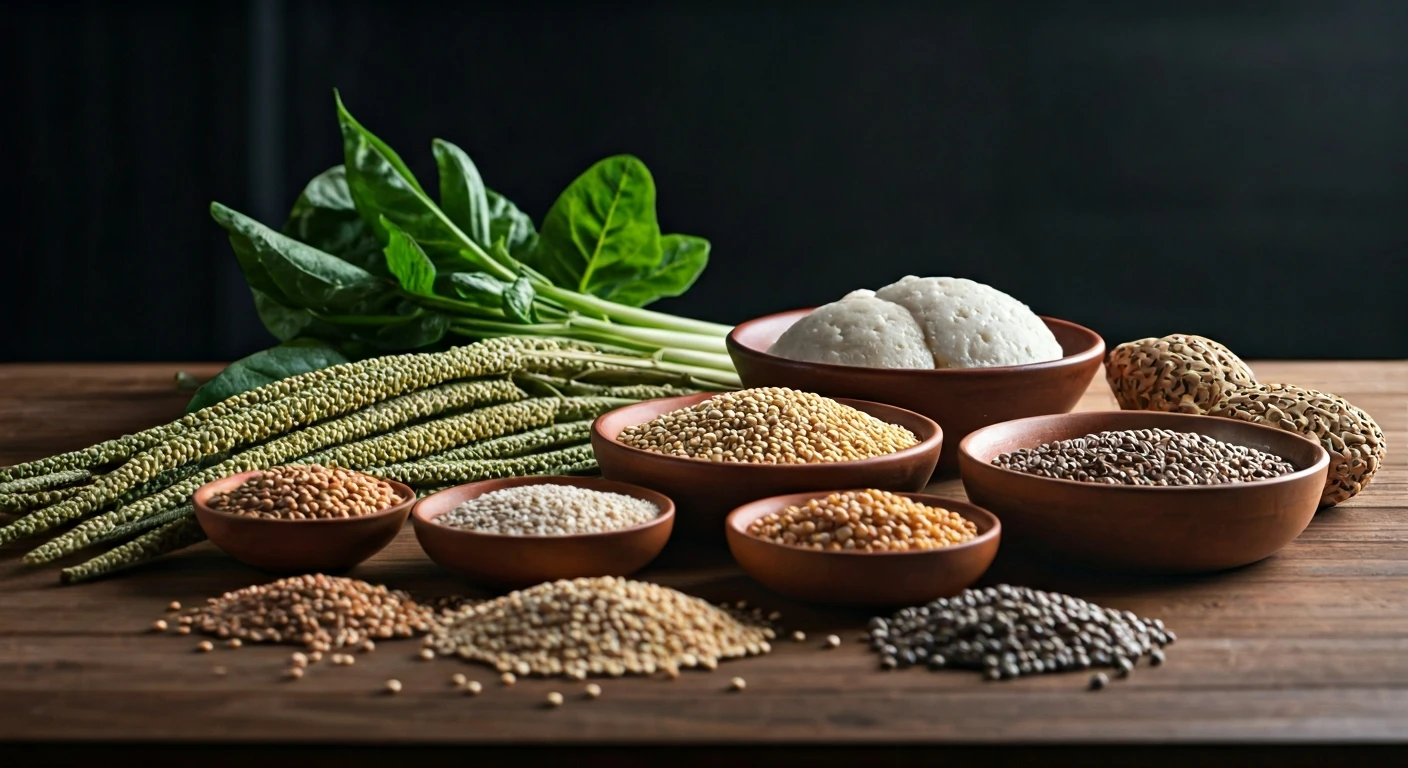
Fibre is officially shaking off its bland, cardboard-like reputation. The trend is being driven by a renewed interest in whole foods like legumes, nuts, seeds, and whole grains. [15] But it's also being powered by innovation in the food industry. Mainstream brands are now prioritizing fibre to boost the nutritional profile of everyday products. [12, 23] You can see this trend on full display in supermarket aisles, where high-fibre claims are becoming a key marketing tool. [10] Companies are launching products like high-fibre snack bars, pastas, and even sparkling prebiotic sodas that contain several grams of fibre from sources like chicory root. [18, 16] PepsiCo, for instance, recently created snacks like Smartfood FiberPop, designed specifically to meet the rising consumer interest in functional ingredients. [12, 23] This makes it easier than ever for consumers to increase their fibre intake without having to overhaul their entire diet.
More Than Just Fullness
While the feeling of satiety is the driving force behind the trend, the benefits of a high-fibre diet extend far beyond appetite control. [13] A major component of the trend is the growing public awareness of gut health. [19] Fibre acts as a prebiotic, feeding the beneficial bacteria in your gut. [7] A healthy gut microbiome is linked to a host of benefits, including lower inflammation, a stronger immune system, and even improved mood. [14, 22] Furthermore, studies have consistently shown that a diet rich in fibre is associated with a lower risk of chronic conditions such as heart disease, type 2 diabetes, and certain types of cancer. [5, 6] This makes the fibre trend more than just a passing fad; it's a movement grounded in substantial health benefits that contribute to long-term well-being and longevity. [14]