

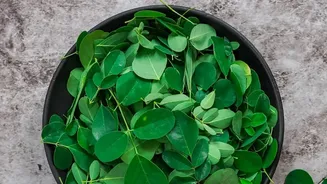
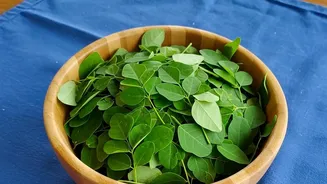
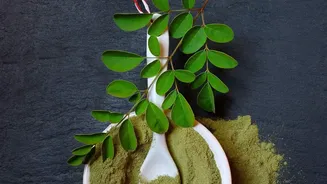
Moringa is suddenly everywhere, celebrated online as a 'miracle tree'. But for many in India, it's just the humble drumstick tree. So, how do we bridge the gap between ancient wisdom and modern wellness without the over-the-top hype?
What Exactly is Moringa?
Moringa oleifera,
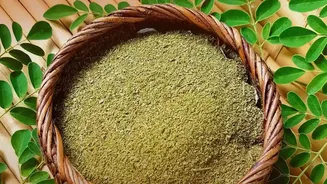
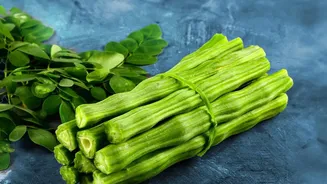
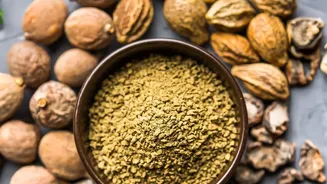
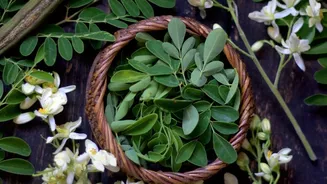
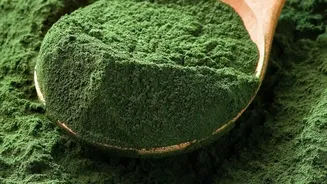
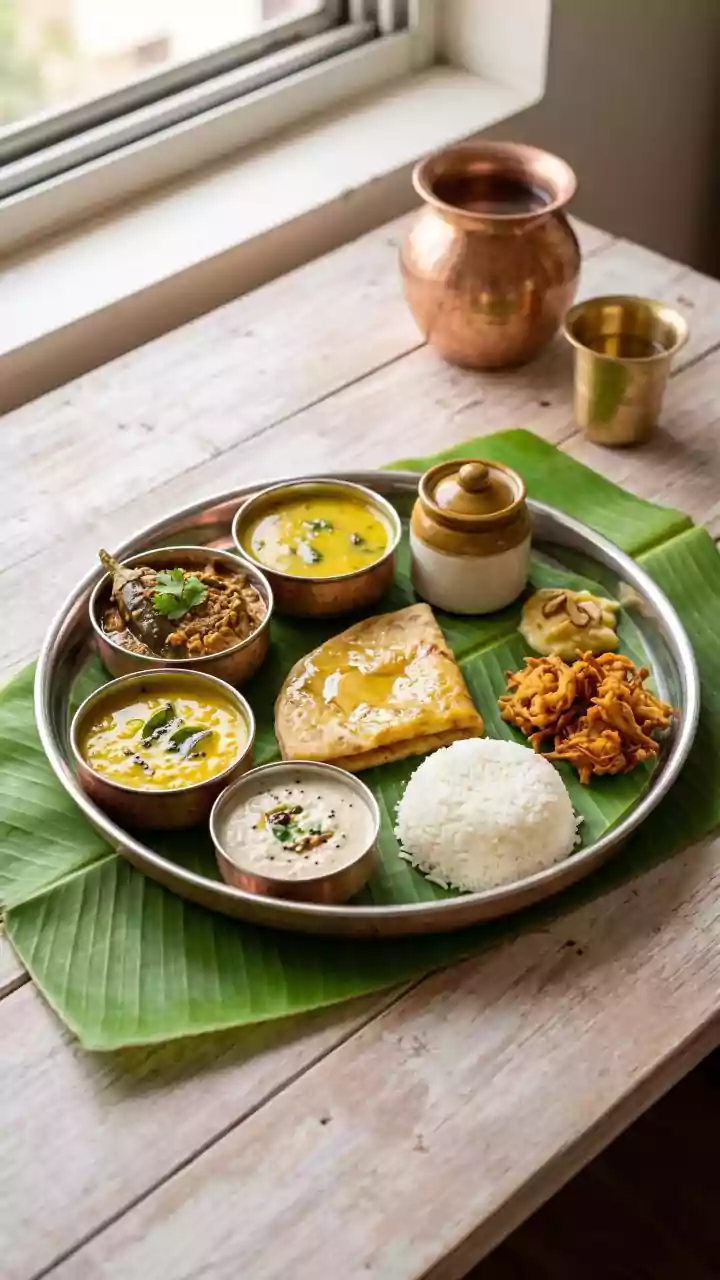
often called the drumstick tree, is a plant native to India that has been a staple in kitchens and traditional Ayurvedic practices for centuries. In many parts of the country, its long pods (drumsticks), leaves, and flowers are common ingredients in everyday cooking, from sambar to sabzis. It’s not a new discovery but a familiar ingredient that has recently gained global fame as a 'superfood', largely sold in a convenient powdered form made from its dried leaves. This newfound stardom has come with a wave of extraordinary claims, branding it a cure-all for various ailments.
A Realistic Look at Its Nutrients
While 'miracle' is a strong word, moringa is undeniably nutritious. The leaves are a good source of vitamins and minerals, including Vitamin C, Vitamin A, iron, and protein. Think of it as a potent leafy green, similar to spinach or kale, but with a different profile. A single cup of fresh, chopped leaves contains a notable amount of Vitamin B6, iron, and Vitamin C. However, it's important to be realistic about serving sizes. Many grand claims compare 100 grams of moringa powder to other foods, an amount no one would realistically consume in a day. A teaspoon or two of the powder offers a respectable nutritional boost, but it will not replace a balanced diet rich in various fruits and vegetables.
Separating Fact From Fiction
The internet is filled with claims that moringa can reverse diabetes, melt belly fat, and cure chronic diseases. The science, however, is far more modest. Some small-scale studies suggest moringa may help moderate blood sugar spikes after a meal and has anti-inflammatory and antioxidant properties. But there is little to no strong clinical evidence in humans to support claims that it cures diabetes or causes significant weight loss on its own. Most studies showing benefits use very large, concentrated doses that are not typical for dietary use. It's best to view moringa as a supportive food that can be part of a healthy lifestyle, not a replacement for medical treatment or a balanced diet.
Easy Ways to Use Moringa Powder
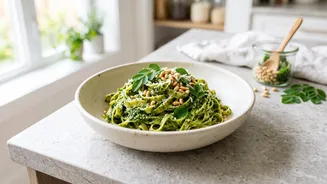
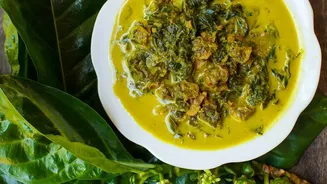
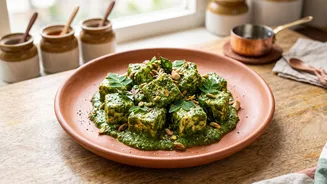
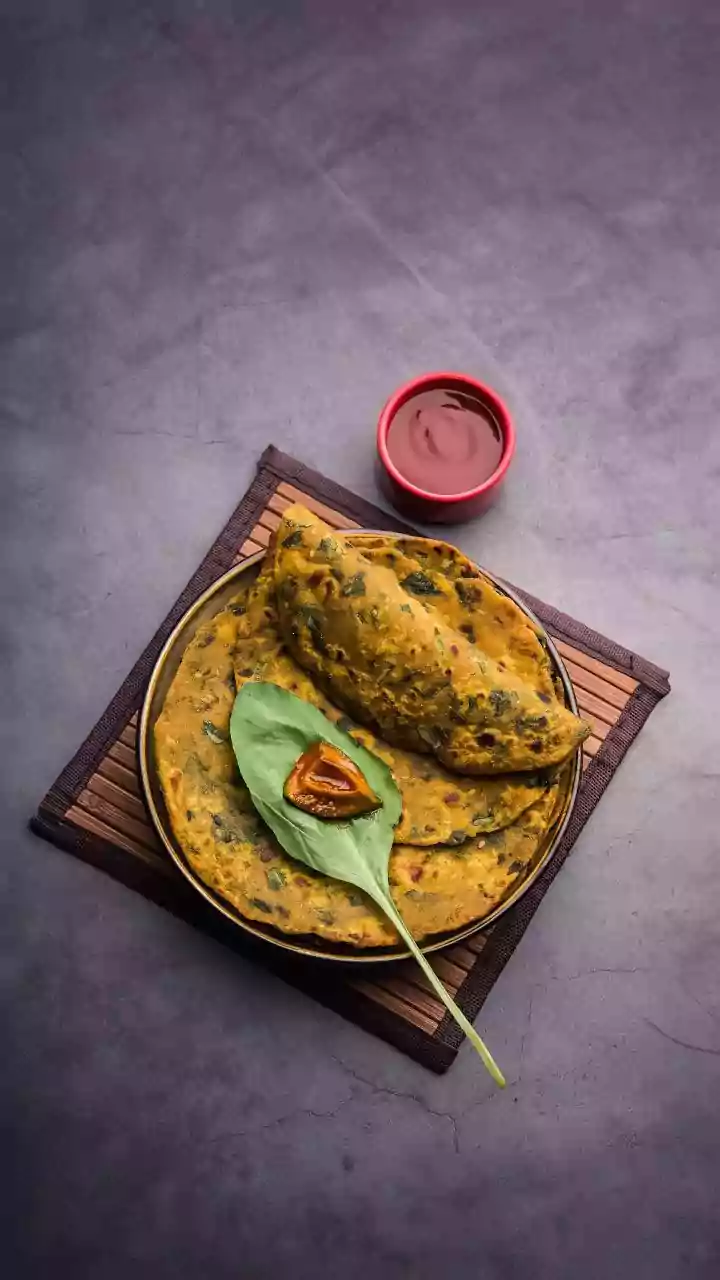
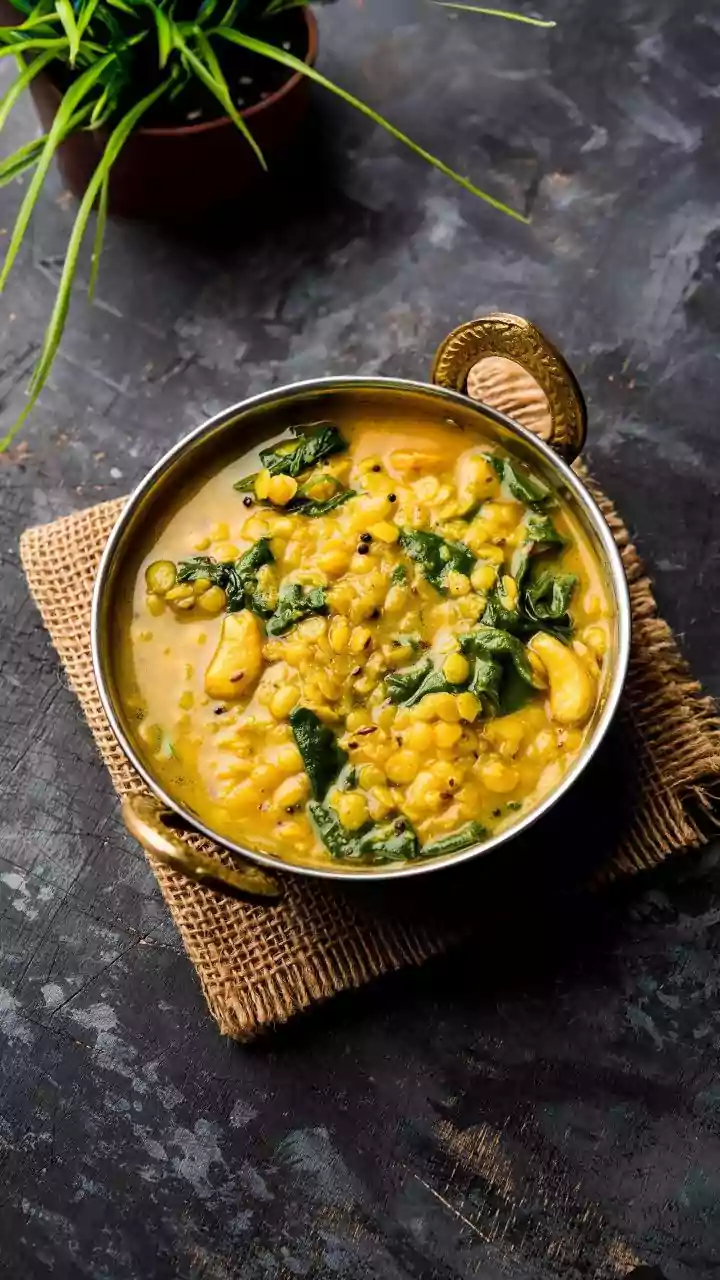
The best thing about moringa powder is its versatility. With a grassy, slightly earthy taste similar to spinach, it can be easily added to many Indian dishes. A good rule of thumb is to start with a small amount, like half a teaspoon, and add it towards the end of cooking to preserve nutrients. Try stirring it into dal, soups, or stews in the last few minutes. You can also mix it into the dough for rotis or theplas, blend it into chutneys, or add it to your morning smoothie. The slightly bitter taste is often well-balanced by acidic ingredients like tomato, tamarind, or curd, which is why it works so well in traditional recipes like sambar.
Cooking with Fresh Moringa
If you have access to fresh moringa, you're in for a treat. The drumstick pods are a classic addition to South Indian sambar and avial, where they absorb the flavours of the curry while adding their own unique taste. To prepare them, simply peel the tough outer skin and cut them into sections. The fresh leaves can be used like any other leafy green. They are delicious in a simple stir fry with garlic and spices, cooked with lentils to make a nutritious dal, or added to savoury pancakes like adai. Using the fresh parts of the plant connects you to a long culinary tradition that has celebrated moringa for its flavour and nourishment long before it was a global trend.
What to Watch Out For
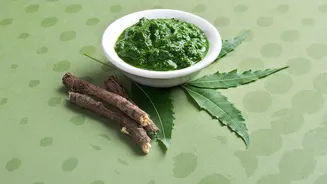
Moringa is generally safe for most people when consumed in food amounts, but there are a few things to keep in mind. The leaves and pods are safe to eat, but you should avoid the root and its extracts, as they can be toxic. Starting with a large amount of moringa powder can sometimes lead to digestive issues like an upset stomach or diarrhea, so it’s best to begin with a small dose and see how your body reacts. People taking medications for blood pressure, diabetes, or thyroid conditions should consult their doctor before adding moringa to their routine, as it can interact with these drugs.