





Beyond the Pan-Indian Menu
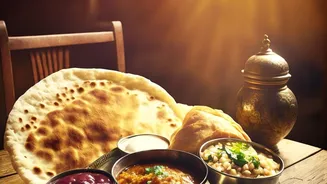
For years, the Indian restaurant experience was largely homogenous. Whether in Mumbai, Delhi, or even London, menus offered a predictable roster of North Indian and Mughlai-inspired dishes that, while delicious, represented only a fraction of the subcontinent's
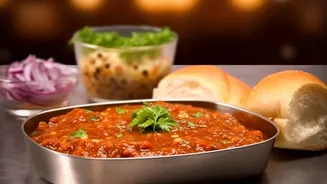
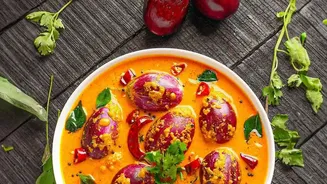
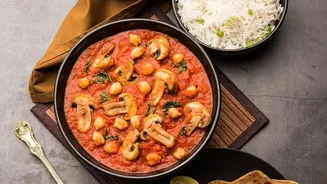
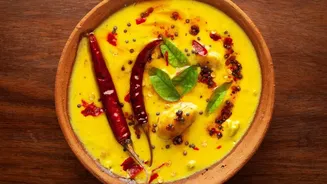
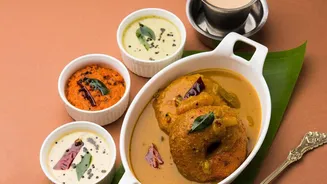
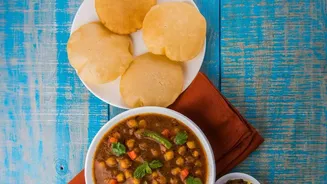
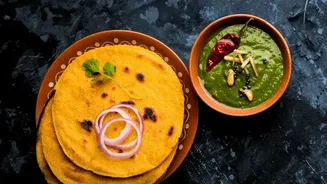
true culinary diversity. This 'pan-Indian' menu became a global ambassador for our cuisine, but in the process, it flattened a landscape rich with thousands of distinct culinary traditions. Dishes from Goa, Kerala, Bengal, Odisha, and the northeastern states remained largely confined to home kitchens. This is now changing rapidly. A new wave of diners and chefs is driving a powerful shift, moving beyond the familiar to explore the hyperlocal, the seasonal, and the forgotten. It's a transition from a simplified summary of Indian food to a celebration of its detailed, diverse chapters.
The New Drivers of Culinary Curiosity
Several factors are fuelling this exciting change. Social media and a boom in food blogging have given a platform to home chefs and regional food creators, who showcase dishes that rarely make it to restaurant tables. This digital exposure has sparked a nationwide curiosity, making diners more adventurous. Furthermore, a new generation of Indian chefs, many with international experience, is returning to its roots with a fresh perspective. They are approaching regional ingredients and traditional techniques with modern refinement, acting as culinary historians and storytellers. Increased domestic travel has also played a crucial role, exposing urban Indians to the authentic tastes of different states and creating a demand for those experiences back home. This is coupled with a growing desire for authenticity, health, and sustainability, as regional cuisines often champion local, seasonal produce and time-honoured cooking methods.
From Home Kitchens to Fine Dining
The most exciting aspect of this trend is seeing previously home-bound recipes find a place in the commercial food scene, from humble cafes to exclusive fine-dining restaurants. Forgotten recipes from royal kitchens are being revived, and everyday dishes from specific communities are being celebrated. Restaurants are now proudly highlighting their regional specificity. You can find eateries dedicated to the smoky, fiery flavours of Nagaland, the subtle coastal cuisine of Kerala, or the rustic simplicity of Himalayan food. In Bengaluru, a food festival brings the unique tastes of Odisha to a new audience. In Mumbai, chefs are reinterpreting familiar dishes like biryani and samosa with hyper-local ingredients, such as weaver ants from Odisha. This movement isn't just about recreating old dishes; it's about reinterpreting them with contemporary techniques while staying true to their soul.
A Celebration of Identity and Heritage
This shift towards regional flavours is more than just a food trend; it's a powerful cultural statement. It reflects a growing confidence in India's diverse identity, moving away from a single, monolithic idea of 'Indianness' to embrace its pluralism. Preserving and promoting these recipes is a way of safeguarding culinary heritage and the stories of the communities that created them. Every rediscovered dish, from Kashmir's sun-dried vegetable curry 'Hokh Syun' to Odisha's ancient 'Kalinga Kheer', carries with it a piece of history and a connection to a specific place and culture. By celebrating these flavours, we are not just expanding our palates; we are honouring the wisdom of past generations, supporting local farmers, and ensuring that India's rich culinary mosaic continues to thrive.