



The $150 Billion Answer in Orbit
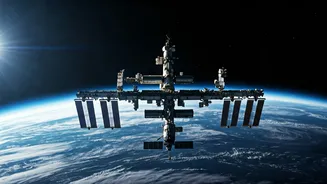
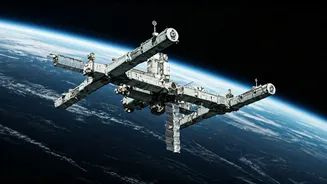
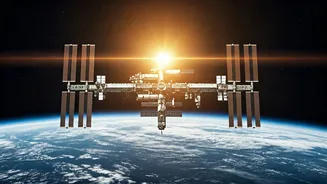
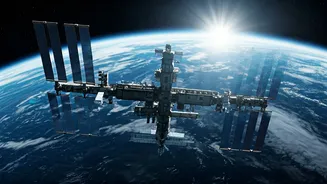
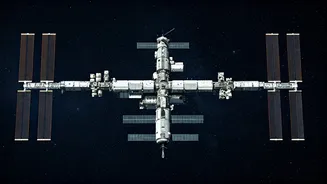
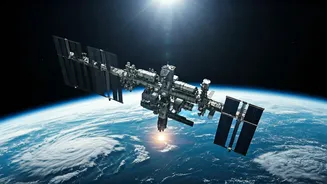
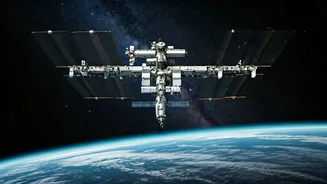
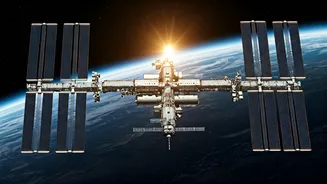
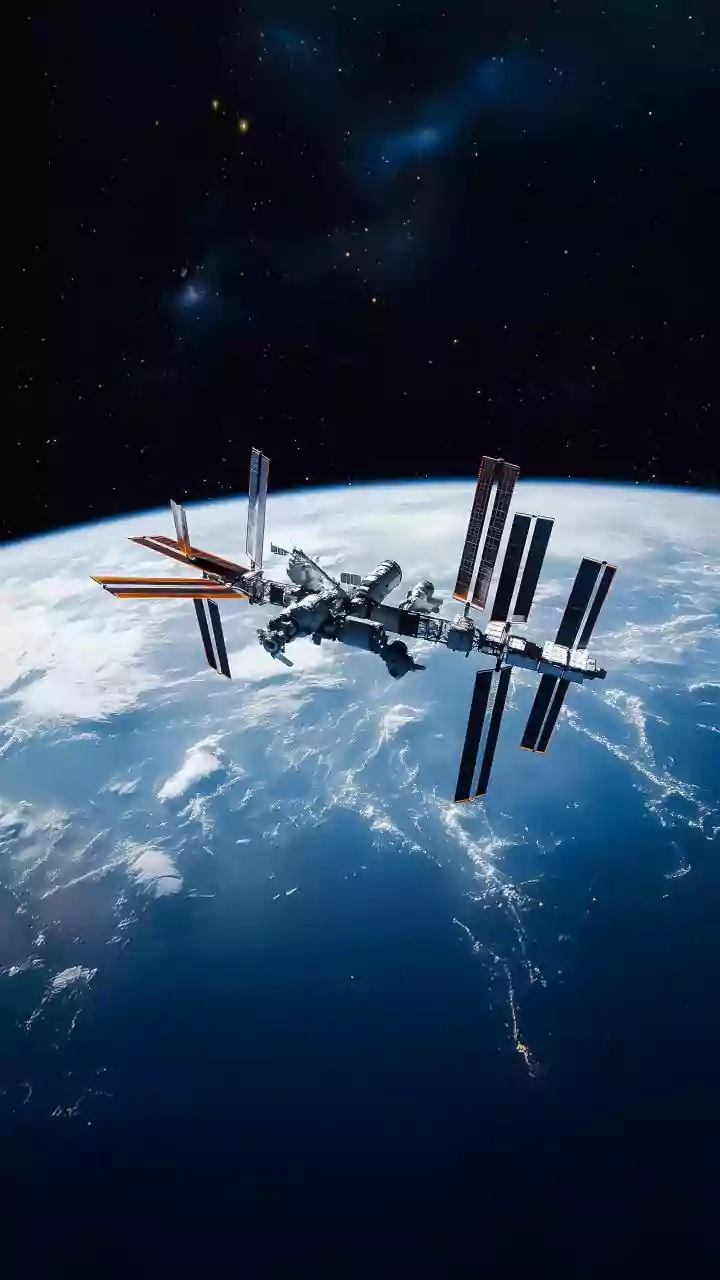
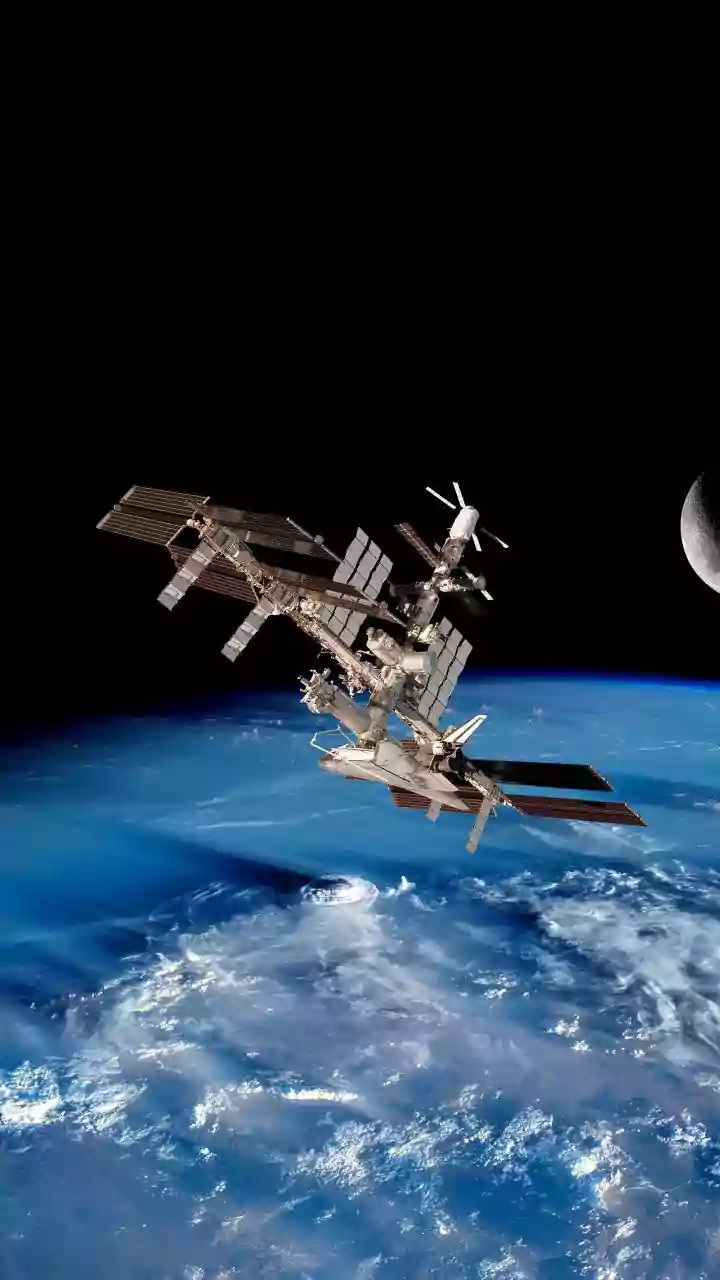
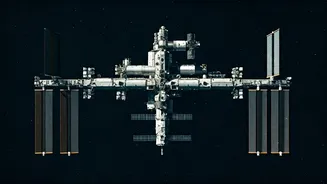
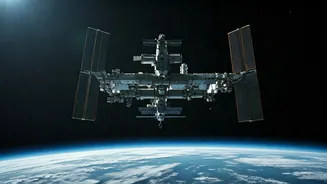
The most expensive single object ever constructed by humankind is the International Space Station (ISS). Orbiting roughly 400 kilometers above our heads, this symbol of human ingenuity and cooperation carries a price tag that is, quite literally, astronomical.
While exact figures are debated, the most widely accepted estimate for its total cost—including construction, launch, and decades of operation—is around $150 billion. The European Space Agency offers a more conservative estimate of €100 billion for development, assembly, and a decade of running costs, spread among all partners. This staggering sum makes it the undisputed Guinness World Record holder for the most expensive man-made object.
An Unprecedented Global Collaboration
No single nation could have shouldered such a cost alone. The ISS is the result of a historic partnership between five space agencies: NASA (United States), Roscosmos (Russia), JAXA (Japan), ESA (Europe), and CSA (Canada). This coalition of 15 countries began construction in orbit in 1998, a process akin to building with LEGOs at 17,500 miles per hour. Dozens of missions, primarily using the Space Shuttle, were required to ferry modules and components into space for assembly. This international cooperation, while a monumental political and social achievement, was also a key driver of the high cost, navigating complex agreements and logistics across continents.
Breaking Down the Astronomical Bill
So, where did all that money go? The initial construction, including the development of its interconnected modules, represented a significant portion. But the expenses didn't stop there. For over two decades, the ISS has been continuously inhabited by astronauts, requiring a constant stream of funding for operations and maintenance, which for NASA alone runs to about $3-4 billion per year. This budget covers everything from crew and cargo transportation missions to systems maintenance, research activities, and the massive ground support infrastructure required to keep the station running 24/7.
A Priceless Laboratory in the Sky
Defenders of the ISS argue that its scientific return on investment is immeasurable. As a unique microgravity laboratory, it has hosted thousands of experiments that are impossible to conduct on Earth. This research has led to breakthroughs in medicine, including new insights into treatments for diseases like cancer, Alzheimer's, and Duchenne Muscular Dystrophy by studying protein crystal growth. Scientists have also developed new water purification systems, studied the effects of long-duration spaceflight on the human body, and even created a fifth state of matter—a Bose-Einstein condensate—in the station's Cold Atom Lab.
The Final, Billion-Dollar Descent
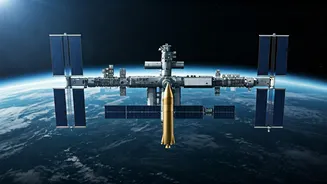
After more than three decades of service, the ISS is scheduled for retirement around 2030. However, you can't simply abandon a 420-tonne structure in orbit. Its eventual decommissioning will be a complex engineering feat in itself. The current plan involves a controlled deorbit, guiding the station to break up over a remote, unpopulated area of the South Pacific Ocean known as Point Nemo, or the "spacecraft cemetery." Even this final act comes at a price; NASA has contracted SpaceX to build a dedicated deorbit vehicle for the mission, a contract worth hundreds of millions of dollars to ensure the station's safe and responsible disposal.