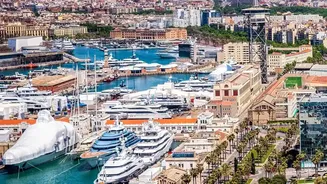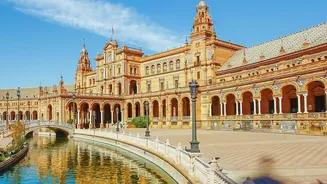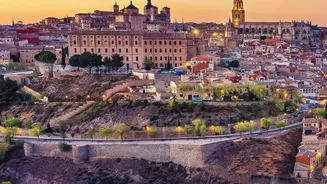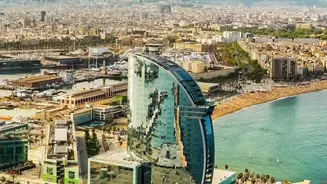





Spain remains one of the world's most beloved travel destinations, but a rising tide of discontent is putting its tourism model under scrutiny. From Barcelona to the Canary Islands, local frustrations are boiling over. What's behind it?
The Heart of the Unrest: Barcelona
In Barcelona, the
epicentre of the anti-tourism movement, the issue is palpable. With around 16 million visitors a year in a city of 1.6 million residents, the strain on infrastructure and housing is immense. Locals in iconic neighbourhoods like the Gothic Quarter, Barceloneta, and near the Sagrada Família report having to alter their daily routines just to avoid crowds. This has led to a feeling that public spaces, such as the famous La Rambla, are no longer for residents. The housing crisis is a key grievance, with the proliferation of short-term tourist rentals blamed for skyrocketing rents and pushing locals out. In response, the city has announced a landmark decision: it will not renew any of its roughly 10,000 tourist apartment licenses when they expire in November 2028, aiming to return these properties to the residential market.
A Nationwide Concern
This isn't just a Barcelona problem. Similar protests have flared up across Spain's tourism-dependent regions. In the Canary and Balearic Islands, including Mallorca and Ibiza, residents have taken to the streets to protest environmental damage and an unsustainable cost of living driven by mass tourism. These demonstrations are not aimed at tourists themselves but at authorities, demanding a more sustainable model that prioritizes residents' quality of life. The core demands are consistent: stricter regulations on holiday lets, controls on the number of cruise ships, and the preservation of public spaces for community use. The sentiment reflects a broader European trend, with the EU Parliament acknowledging overtourism as a major economic and social challenge.
What Tourists Need to Know: New Rules and Taxes
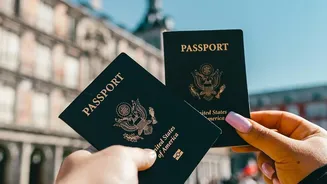
For travellers, this new landscape brings changes. Barcelona has doubled its city-specific tourist tax, which is levied on top of a regional one, making it one of the highest in Europe. Depending on the accommodation, this can add a significant amount per night to your stay. The city is also cracking down on cruise ships, with plans to reduce terminal capacity. Beyond Barcelona, other rules apply. Many cities, including Madrid and Valencia, have banned drinking alcohol in public spaces. The Balearic Islands have strict rules in party zones like Magaluf and parts of Ibiza, prohibiting happy hours and late-night alcohol sales in shops. New national laws are also in effect or being finalised, targeting smoking and vaping on beaches and restaurant terraces, and implementing stricter rules for e-scooters. For non-EU visitors, financial proof of at least €121.10 per day may be required upon entry, and the EU's new biometric Entry/Exit System (EES) is now operational, replacing passport stamps.
How to Visit Responsibly
Despite the tensions, Spain remains a welcoming country. The goal of the protests is not to eliminate tourism, but to make it sustainable. As a visitor, you can be part of the solution. Consider travelling during the off-season to reduce pressure on hotspots. Explore lesserndown neighbourhoods and cities to help distribute the economic benefits more widely. Prioritize staying in licensed hotels or eco-certified hostels instead of shortterm rentals, which contribute to the housing shortage. Support local businesses, eateries, and artisans rather than just international chains. In Barcelona, officials are actively trying to guide visitors towards a more enriching experience focused on culture and gastronomy, beyond just the most famous landmarks. Utilising the city's efficient and clean public transport system is another way to minimise your environmental impact.