



Why Raw Salads Work Wonders
A well-functioning digestive system is key to overall health, influencing everything from nutrient absorption to immune response. Raw vegetable salads are a fantastic way to support this system. They are packed with dietary fibre, which is crucial for
maintaining regularity and promoting a healthy gut microbiome. Fibre acts as a prebiotic, feeding the beneficial bacteria in your intestines. These friendly microbes are essential for smooth digestion and can help alleviate common issues like bloating and constipation. Furthermore, raw vegetables contain natural enzymes that aid in the breakdown of food, making nutrients more accessible for your body to absorb. Consuming vegetables with high water content, like those in this salad, also helps lubricate the digestive tract, ensuring everything moves along smoothly.
The Hydrating Power of Cucumber
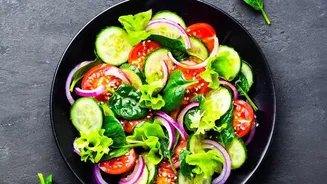
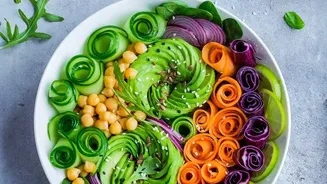
Cucumber is a true champion of hydration, consisting of over 95% water. This high water content is incredibly beneficial for digestion, as it helps soften stool, prevent constipation, and ensure regularity. Beyond just water, cucumbers contain both soluble and insoluble fibre. The insoluble fibre adds bulk to waste, while the soluble fibre, particularly a type called pectin, can increase the frequency of bowel movements and feeds good gut bacteria. For those who experience occasional mild stomach acidity, the cooling, alkaline nature of fresh cucumber can also provide a soothing effect. To get the most nutritional benefit, including essential vitamins concentrated in the skin, it's best to eat them unpeeled.
Beetroot: The Fibre-Rich Root
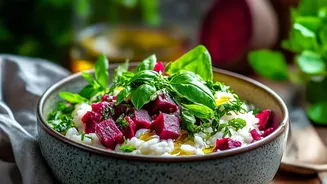
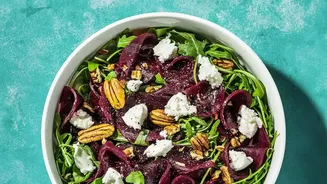
Beetroot is a nutritional powerhouse for your gut. A single cup provides a significant amount of dietary fibre, which travels to the colon to nourish friendly gut bacteria and add bulk to stools. This process promotes digestive health and can help prevent conditions like constipation. The fibre in beets also promotes a feeling of fullness, which can aid in weight management. Beyond fibre, beetroots contain unique compounds called betalains, the antioxidants that give the vegetable its vibrant red colour. These compounds have anti-inflammatory properties that can help soothe the digestive tract. Beetroot also encourages the growth of beneficial bacteria like lactobacilli and bifidobacteria, further enhancing the health of your gut microbiome.
Sprouts: A Burst of Live Enzymes
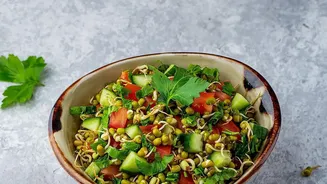
Sprouts are essentially seeds that have just begun to grow, and this germination process unlocks a wealth of digestive benefits. Sprouting significantly increases the presence of live enzymes, which help your body break down carbohydrates, proteins, and fats more efficiently. This reduces the strain on your digestive system and enhances nutrient absorption. The sprouting process also reduces anti-nutrients like phytic acid, which can otherwise interfere with the absorption of minerals. Sprouts are an excellent source of insoluble fibre, which helps prevent constipation by keeping your digestive system regular. Their fibre also acts as a prebiotic, nourishing the healthy bacteria that are vital for a balanced gut.
Building Your Perfect Digestive Bowl
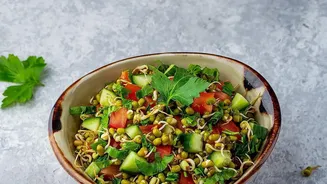
Creating your own digestion-boosting salad is simple. Start with a base of fresh, washed sprouts—moong bean sprouts are a popular and easy-to-digest choice. Add a generous amount of chopped cucumber (with the skin on for extra fibre) and grated or thinly sliced raw beetroot. The key is to keep it fresh and simple. For a dressing, avoid heavy, creamy options that can weigh down your digestion. A classic vinaigrette made with three parts extra virgin olive oil and one part acid is an excellent choice. Use lemon juice or apple cider vinegar as your acid, both of which are known to support digestion. A simple mix of olive oil, lemon juice, minced garlic, and a pinch of salt creates a light, flavourful dressing that complements the vegetables perfectly without hindering their benefits.