



The Twin Perils: Low Visibility and Glare
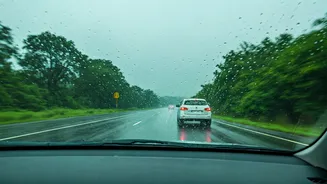
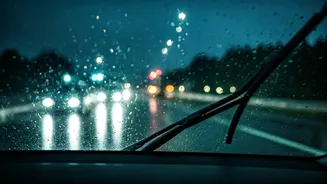
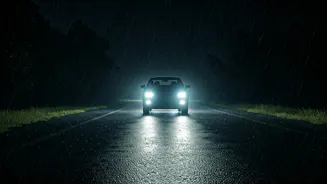
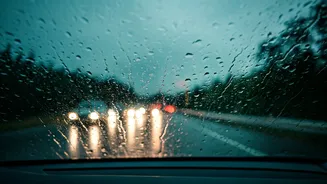
The most immediate challenge of driving in the rain at night is the drastic reduction in visibility. Heavy rain scatters light, creating a disorienting curtain that shortens how far you can see. [24] Your headlights, essential for night vision, can become
a liability. High beams are often unusable as they reflect off raindrops, causing a wall of glare that can be blinding. [5] Conversely, oncoming traffic's headlights can diffuse through your wet windshield, creating a starburst effect that obscures your view. Ensure your wipers are in excellent condition, replacing them if they leave streaks. [3, 17] Use your low-beam headlights to be visible to others without causing glare, and turn on your defogger to keep windows from fogging up in the high humidity. [2, 15, 26]
Hidden Horrors: What Lies Beneath the Water
Monsoon rains are notorious for wreaking havoc on road surfaces, and darkness conceals the evidence. Waterlogged streets can hide a multitude of dangers. [24] That seemingly shallow puddle could be concealing a deep, suspension-breaking pothole. [5, 6] Worse, just a few inches of water can be enough to cause significant problems. According to studies, just six inches of water can lead to a loss of control or stall most passenger cars, while a foot of water can be enough to make a vehicle float. [12, 14] Never assume a flooded road is safe to cross. The water's depth is impossible to gauge at night, and it could conceal washed-out sections of road, debris, or even open manholes. [9, 23] The safest option is always to turn around and find an alternate route. [9, 12]
The Physics of Failure: Hydroplaning and Braking
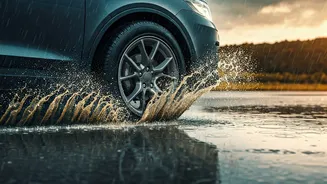
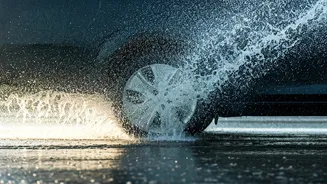
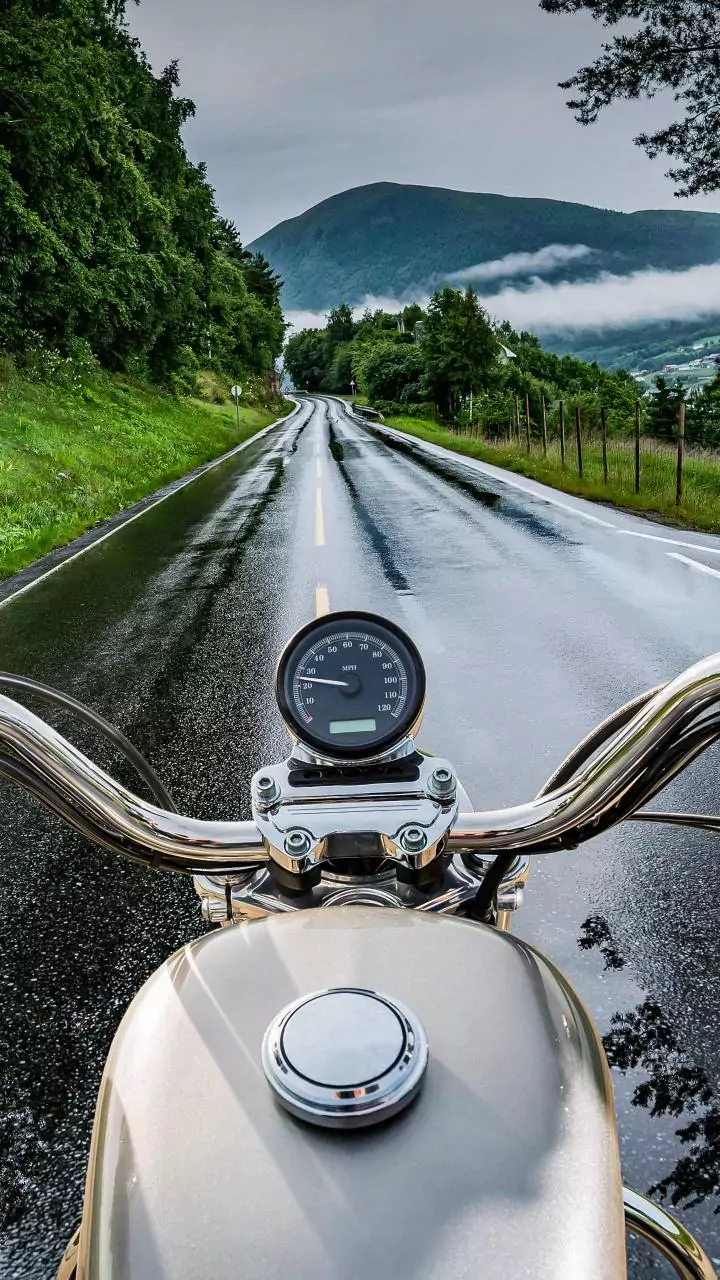
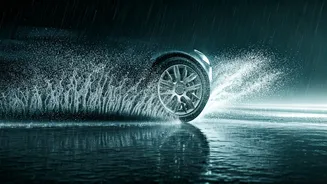
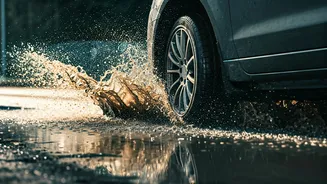
Wet roads drastically change how your car handles. The most dangerous phenomenon is hydroplaning (or aquaplaning), which occurs when a layer of water builds up between your tyres and the road surface. [13, 22] This causes a sudden loss of traction, meaning you lose control of steering and braking. [22, 24] The risk increases with speed and with worn or improperly inflated tyres. [20, 21] Even without hydroplaning, your braking distance can increase by up to three times on a wet surface. [13] The water acts as a lubricant, reducing the friction your tyres need to stop. [8, 22] Therefore, it is critical to reduce your speed significantly and maintain a much larger following distance from the vehicle ahead of you. [11, 13, 17] Avoid sudden braking; apply pressure gently and progressively to prevent skidding. [2, 24]
Your Pre-Monsoon Vehicle Health Check
Preparation is your best defence. Before the monsoon gets into full swing, a thorough vehicle check is non-negotiable. Inspect your tyres for tread depth and wear; adequate tread is crucial for channeling water away and maintaining grip on wet roads. [3, 8] Check that all your lights—headlights, taillights, brake lights, and indicators—are functioning correctly. [3, 4] They are not just for you to see, but for others to see you. Worn-out wiper blades must be replaced to ensure they clear your windscreen effectively. [3, 15] Also, test your brakes. If they feel spongy or make unusual noises, get them inspected immediately, as their performance is even more critical on slippery roads. [3, 4] Finally, ensure your battery is in good health, as the increased use of lights, wipers, and defrosters puts extra strain on it. [3]
Defensive Driving: Your In-Car Strategy
If you absolutely must drive, adopt a defensive mindset. The single most important adjustment is to slow down. [11, 25] Driving at a lower speed gives you more time to react and reduces the risk of hydroplaning. [18] Increase your following distance to at least five seconds behind the car in front. [17] Avoid using cruise control, as you need to be in complete control of your acceleration and deceleration. [18] Drive smoothly, avoiding abrupt turns or sudden braking, which can easily lead to a skid on wet surfaces. [5, 17] Be extra vigilant for pedestrians and cyclists, who are harder to spot in the rain and dark. [11] And never use your hazard lights while moving; it can confuse other drivers about whether you are stopped or in motion. [5] Use them only if you are stationary and posing a hazard. [5]