
The Great Comfort Takeover
The line between work and leisure has blurred, and our wardrobes are reflecting this change. The most significant shift is the collective move towards comfort-first fashion, a trend accelerated by the pandemic's work-from-home culture. Having spent months
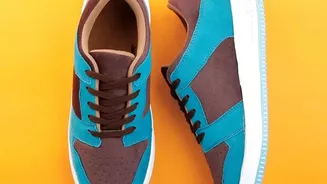
in relaxed attire, many Indians are unwilling to return to the discomfort of traditional formalwear. This pivot is especially visible in footwear, where sneakers, stylish sandals, and even clogs are replacing conventional leather shoes and high heels. Consumers are now prioritising practicality for their busy, modern lives—which involve long commutes, standing for hours, and navigating bustling city streets. This isn't about being lazy; it's about being practical. Footwear is no longer just a necessity but a lifestyle accessory that signals a preference for wellness and ease.
Redefining the Office Dress Code
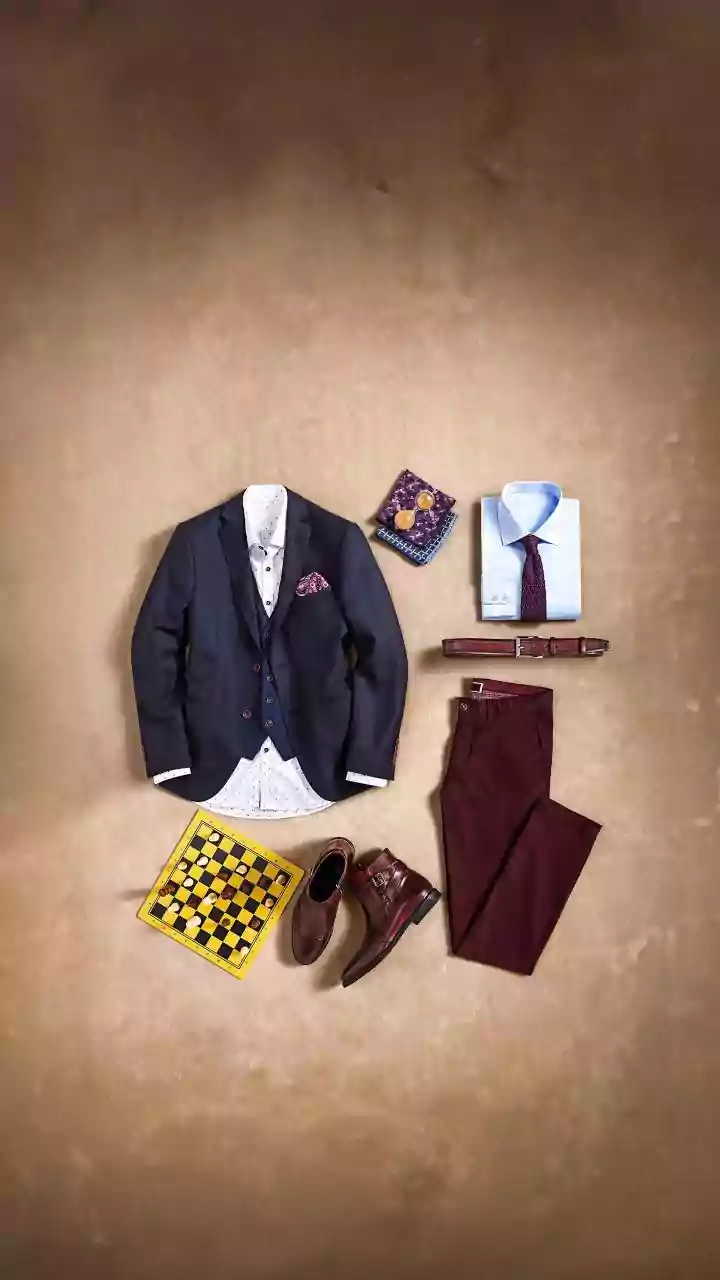
A decade ago, corporate offices in India were dominated by formal leather shoes and conservative heels. Today, the scene is drastically different. The rise of the startup ecosystem, influenced by Silicon Valley's casual dress code, began this transformation. To attract young talent, companies relaxed their policies, making way for 'smart casuals'. Now, post-pandemic, even traditional sectors are embracing this flexible approach. Clean, minimalist sneakers are paired with blazers, and stylish leather sandals are considered appropriate for meetings. This evolution reflects a deeper cultural shift in corporate India, where productivity and employee well-being are valued over rigid presentation. Brands are responding with 'workleisure' lines, offering shoes that feel like sneakers but look professional enough for the boardroom.
From Street to Soirée
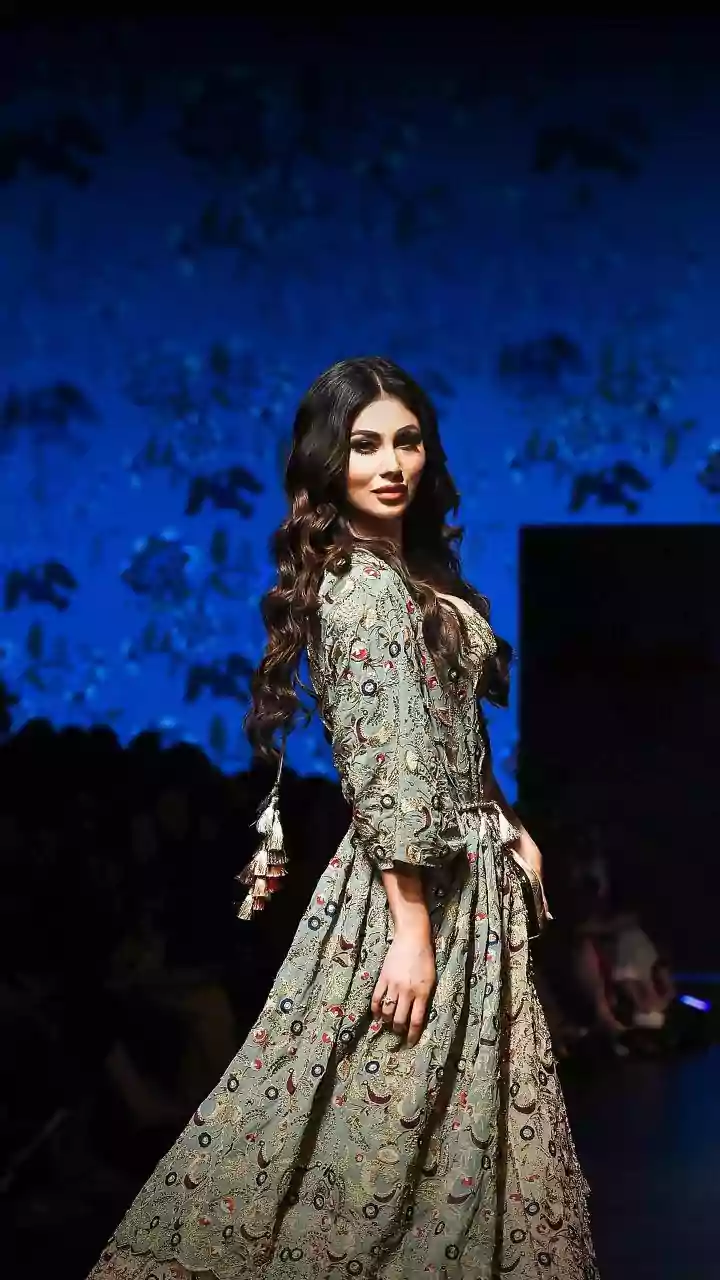
The acceptance of casual footwear in dressier settings has been heavily influenced by celebrity culture. Bollywood stars and influencers are frequently photographed at airports, promotional events, and even weddings pairing sneakers with everything from sharp suits to traditional lehengas and sarees. Stars like Ranveer Singh, Alia Bhatt, and Deepika Padukone have turned sneakers into essential fashion statements, proving that comfort and style can coexist. This has a powerful trickle-down effect, giving the public permission to experiment. Consequently, 'party wear sneakers' and 'heel sneakers' have become popular options for sangeets and cocktail parties, offering a practical alternative for a long night of dancing. Brands have also elevated these styles with premium materials, intricate embroidery, and designer collaborations, transforming them into legitimate formal options.
The Athleisure Boom
Fueling this entire movement is the explosive growth of the athleisure market in India. Projected to grow significantly, this trend blends athletic and leisurewear into a versatile style suitable for both workouts and casual outings. Sneakers are the cornerstone of this market. A rising health consciousness among urban Indians means more people are leading active lifestyles, and they want apparel that supports this. Even those not hitting the gym embrace the 'sporty' look because it appears modern and smart. This has propelled sneakers, in particular, from being just functional sportswear to an everyday fashion staple. Brands are expanding rapidly into Tier-2 and Tier-3 cities to meet this surging demand, proving that athleisure is not just a metro phenomenon but a nationwide shift.
A Generational and Cultural Shift
At its core, this trend is driven by Gen Z and millennials, who prioritise self-expression, authenticity, and cultural relevance in their fashion choices. For them, a sneaker is not just a shoe; it is a statement of identity. They are drawn to brands and styles that reflect their values and interests, from music to sustainability. This generation is confidently breaking old fashion rules, mixing high and low fashion, and pairing traditional Indian wear with modern streetwear. The normalisation of wearing sneakers with a kurta or sandals with a formal suit is a visual representation of a new, hybrid Indian identity that is both globally aware and locally rooted. It marks a departure from rigid, hierarchical style norms towards a more democratic and individualistic approach to dressing.