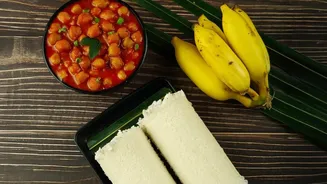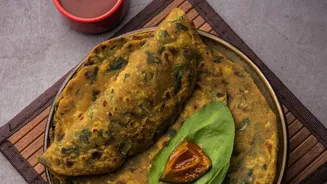








The Foundational First Step: Soaking
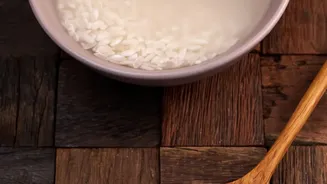
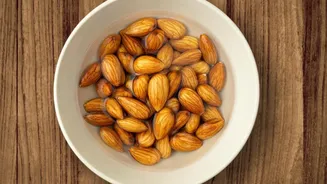
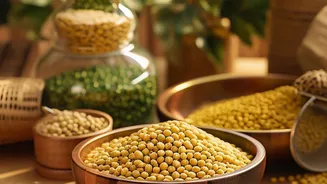
Before any heat is applied, the most common first step in preparing pulses like rajma (kidney beans) or chana (chickpeas) is a long soak. This isn't just to save on cooking time, although it certainly helps. The primary reason is rooted in food science.
Pulses contain compounds known as anti-nutrients, such as phytic acid and tannins, which can interfere with the body's ability to absorb essential minerals like iron, zinc, and calcium. Soaking for several hours or overnight helps to neutralize these compounds. As the pulses absorb water, enzymes like phytase are activated, which break down the phytic acid. This process not only makes the minerals within the pulses more bioavailable but also begins to break down complex sugars called oligosaccharides, which are responsible for causing bloating and gas. Discarding the soaking water washes these away, making the pulses far easier to digest.
Bringing Pulses to Life: Sprouting
Another powerful technique is sprouting. By soaking pulses like moong beans until they germinate and grow small shoots, their nutritional profile is dramatically transformed. Sprouting significantly reduces anti-nutrients and breaks down complex starches, making the pulses easier on the digestive system. The process also increases the availability of key nutrients, including B vitamins and vitamin C, and makes proteins more digestible. Sprouted pulses can be lightly cooked into dishes like the Maharashtrian staple matkichi usal or added to salads. This age-old method essentially pre-digests the pulse, unlocking its full nutritional potential before it even enters the kitchen.
The Science of Flavour: Tempering (Tadka)
Perhaps the most aromatic and transformative technique is the tadka, or tempering. This is the final flourish for most dal dishes, where whole or ground spices are sizzled in hot ghee or oil and poured over the cooked lentils. This isn't merely a garnish; it's a critical flavour-infusion process. Most of the aromatic compounds in spices like cumin, mustard seeds, and asafoetida (hing) are fat-soluble. Heating them in fat allows their essential oils to be released and distributed throughout the dish in a way that simply stirring them into water wouldn't achieve. Beyond flavour, the tadka also has digestive benefits. Spices like asafoetida, cumin, and ginger are known as carminatives, which traditionally have been used to help reduce gas and aid digestion, making a hearty bowl of dal even more comforting.
Cooking with Care: Pressure and Patience
The cooking method itself plays a crucial role. Pressure cooking, a mainstay in many Indian kitchens, is highly effective at destroying heat-sensitive anti-nutrients, further improving digestibility and protein availability. According to the Indian Council of Medical Research (ICMR), boiling and pressure cooking are excellent ways to enhance the nutritional quality of pulses. Furthermore, traditional wisdom dictates pairing pulses with specific spices that complement their digestive properties. For instance, ajwain (carom seeds) and hing (asafoetida) are frequently used with heavier pulses to counteract their gas-producing tendencies. Combining pulses with grains like rice or roti in the same meal also creates a complete protein, ensuring the body gets all the essential amino acids it needs.