








What Exactly Is Intermittent Fasting?
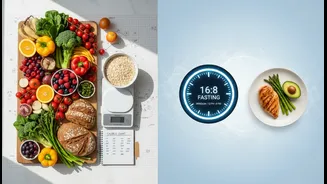
Intermittent fasting isn't a diet in the traditional sense; it's an eating pattern. Instead of restricting specific foods or counting calories, IF involves cycling between periods of eating and voluntary fasting. The most popular method is the 16/8, where
you fast for 16 hours a day and consume all your meals within an 8-hour window. Another common approach is the 5:2 diet, which involves eating normally for five days a week and significantly reducing calorie intake on two non-consecutive days. The core idea is to give your body a prolonged break from digestion, which can trigger various metabolic changes.
The Appeal: A Break from Constant Counting
For many people exhausted by the meticulous tracking required by traditional diets, IF's simplicity is its main attraction. Recent studies, including one from the University of Adelaide, have highlighted that while IF and conventional calorie-counting diets can produce similar weight loss results, the psychological experience is vastly different. Participants following IF reported not feeling the need to constantly monitor their food intake or resist overeating. This reduced mental load can make the entire process feel less like a restrictive diet and more like a manageable lifestyle, which is a key factor for long-term sustainability.
IF vs. Traditional Diets: The Evidence
When it comes to weight loss, research shows that intermittent fasting is often as effective as continuous calorie restriction, but not necessarily superior. A recent Cochrane review noted that weight loss from IF is often modest. However, the benefits might go beyond the weighing scale. Studies suggest IF can improve insulin sensitivity, lower blood pressure, and reduce risk factors for heart disease, such as high cholesterol. The key difference lies in the method; some people find the clear-cut rules of a time window easier to follow than the constant vigilance of portion control, even if the final caloric intake is similar. The best diet is ultimately the one a person can stick with, and for some, IF provides that crucial sustainability.
Is Intermittent Fasting a Good Fit for You?
Choosing an eating pattern is a personal decision. IF might be a great fit if you dislike tracking calories, prefer fewer, larger meals, and have a schedule that can accommodate a specific eating window. However, it's not for everyone. It can be challenging for those with demanding physical jobs, busy social lives revolving around meals, or anyone who enjoys snacking throughout the day. Initial side effects like headaches and irritability are common as your body adapts. Moreover, individuals with a history of eating disorders, pregnant or breastfeeding women, and those with certain medical conditions like type 1 diabetes should avoid it or consult a doctor first.
Adapting Intermittent Fasting for an Indian Lifestyle
The concept of fasting is not new to India, with deep roots in religious and cultural traditions like Ekadashi or Ramzan. This cultural familiarity can make IF feel more intuitive. The flexibility of IF allows for the inclusion of traditional Indian meals—dal, roti, sabzi, and rice—within the eating window. The challenge often lies in navigating social customs, such as late family dinners and the ubiquitous chai culture. Success might mean adjusting the eating window to align with family meal times or being mindful of snacks that can unintentionally break a fast. Starting with a shorter fasting period, like 12 hours, can be a practical way to ease into the practice and adapt it to your routine.