





From Trash to Treasure
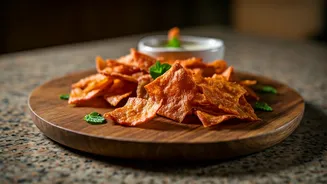
So, what exactly are spice-infused watermelon rind crisps? The concept is simple yet revolutionary. It involves taking the white part of the rind, slicing it paper-thin, seasoning it generously with spices like chilli, chaat masala, and turmeric, and then
baking or dehydrating it until perfectly crisp. The result is a snack that defies expectations. It’s light, crunchy, and carries a fascinating flavour profile—a subtle, almost cucumber-like freshness from the rind, which acts as a perfect canvas for bold spices. This isn't about masking the rind's flavour but enhancing it, turning a byproduct into the star of the show. Food innovators and home cooks are championing this as a prime example of the 'root-to-fruit' eating philosophy.
The War on Food Waste
While the crisps themselves are a novelty, the idea behind them is part of a much larger, more important movement: upcycling. Globally, an enormous amount of food is wasted, and fruit and vegetable peels and rinds are major contributors. In India, where resourcefulness is a cornerstone of traditional cooking, using every part of the plant is not a new idea. Think of dishes made from banana peels or bottle gourd skins. Watermelon rind crisps are the modern, snack-friendly evolution of this mindset. By finding a delicious new use for something we’ve always thrown away, we’re not just creating a new snack; we're actively reducing food waste, one watermelon at a time. The Upcycled Food Association notes that these innovations help reduce greenhouse gas emissions and conserve water, making your snack choice a small but meaningful act for the planet.
A Surprisingly Healthy Crunch
Okay, they're sustainable. But are they healthy? The answer is a resounding yes. Watermelon rind is low in calories but packs a surprising nutritional punch. It's a fantastic source of fibre, which is great for digestion and helps you feel full. More impressively, the rind is rich in citrulline, an amino acid that can improve blood flow, boost athletic performance, and support heart health. In fact, the rind contains a higher concentration of citrulline than the pink flesh of the fruit. When you bake or dehydrate the rinds instead of frying them, you get a guilt-free snack that delivers a satisfying crunch without the excess oil and empty calories of traditional potato chips. It’s a win for your taste buds and your well-being.
The Flavour Possibilities Are Endless
The phrase "shaking up food groups" is less about scientific reclassification and more about challenging our perceptions of what belongs in the 'snack' category versus the 'waste' category. The plain rind is quite neutral, making it incredibly versatile. This is where the magic of spices comes in. For an Indian palate, the options are limitless. A sprinkle of amchur (dried mango powder) can add a tangy kick. A mix of cumin, coriander, and black salt can create a savoury, earthy flavour. For those who like it hot, a dusting of red chilli powder or paprika turns up the heat. Some producers are even experimenting with sweet versions, using cinnamon and a touch of jaggery. This culinary creativity is what elevates watermelon rind from a forgotten scrap to a gourmet snack.
Can You Make Them at Home?
While some artisanal brands are beginning to sell these crisps, the trend is still very much alive in the DIY space. Making them at home is surprisingly easy. The key is to use a vegetable peeler or mandoline to get uniformly thin slices of the white rind (after removing the tough outer green skin). Toss the slices with a tiny bit of oil and your favourite spice mix, then lay them in a single layer on a baking sheet. Bake them in an oven at a low temperature (around 100°C) for an hour or two, or until they are completely dry and crisp. You can also use an air fryer or dehydrator if you have one. It’s a fun kitchen project that rewards you with a delicious, healthy, and zero-waste snack.