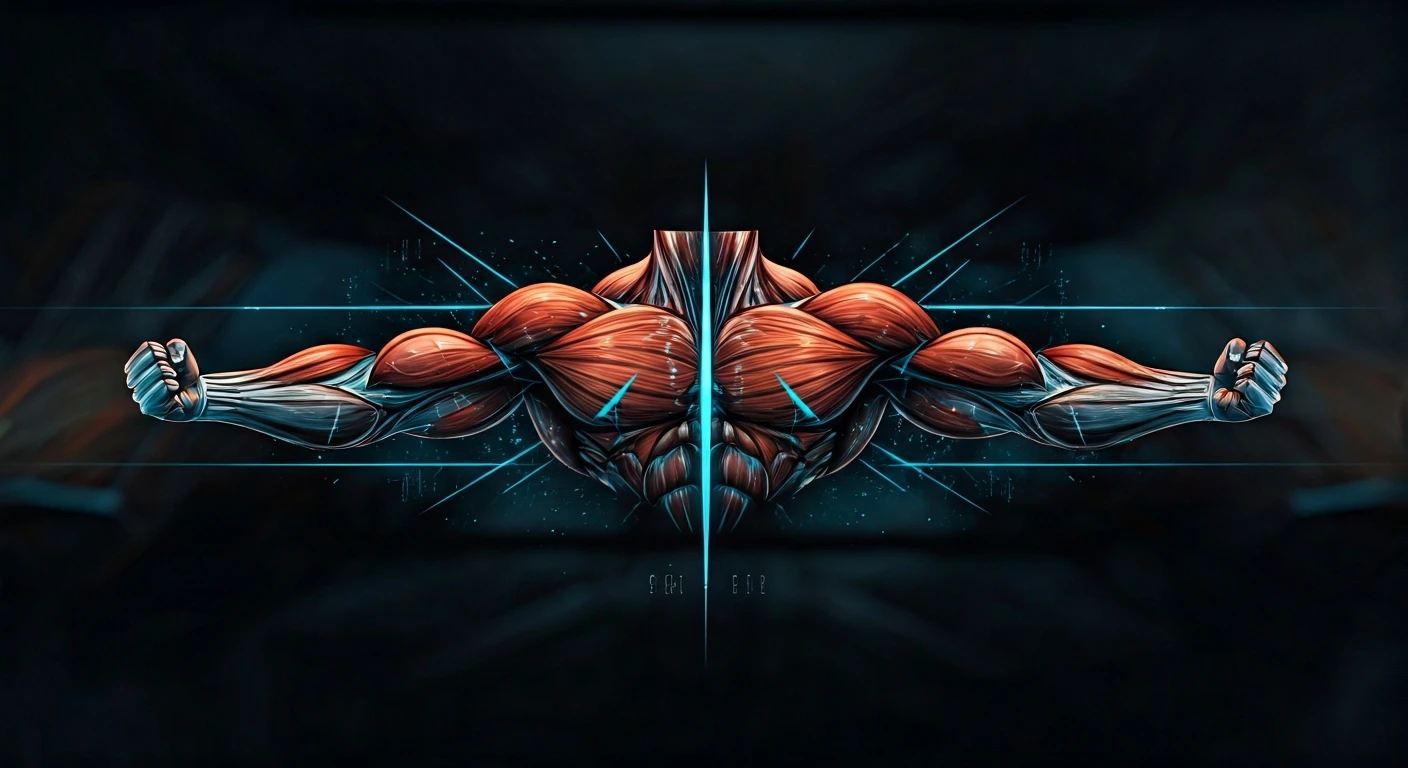







What Is The Push-Pull-Legs (PPL) Split?
The PPL split is a training method that organises your workouts by movement pattern. [19] Instead of focusing on one muscle group per day (like a "chest day"), you group muscles that work together. [7] The structure is simple: * **Push Day:** You train upper
body muscles used for pushing movements—your chest, shoulders, and triceps. [8, 20] * **Pull Day:** You train the upper body muscles used for pulling movements—your back, biceps, and rear deltoids. [8, 20] * **Leg Day:** This day is dedicated to your entire lower body, including quads, hamstrings, glutes, and calves. [8, 20] This logical grouping ensures you train related muscles together, which can make your workouts highly efficient. [7]
The 'Push' Day: Building Upper Body Strength
On push day, you'll focus on exercises where you push resistance away from your body. [17] This primarily targets the chest, shoulders, and triceps. For beginners, it's best to start with compound movements that work multiple muscles at once, followed by isolation exercises. **Beginner Push Exercises:** * **Dumbbell Bench Press:** A great starting point that works the chest, shoulders, and triceps while also improving stability. [1, 12] * **Seated Dumbbell Shoulder Press:** This targets the shoulders effectively and can be done with controlled form while seated. [12] * **Triceps Pushdown:** Using a cable machine, this exercise isolates the triceps to help build arm strength. [17]
The 'Pull' Day: Developing a Strong Back and Biceps
Pull day involves movements where you pull weight towards your body. [19] These exercises are crucial for developing a strong back and biceps, which contributes to better posture and overall strength. [11] **Beginner Pull Exercises:** * **Lat Pulldowns:** A fantastic alternative to pull-ups for beginners, this machine exercise effectively targets the large muscles of your back (lats). [11, 15] * **Seated Cable Row:** This exercise builds thickness in the back and helps improve pulling strength with a focus on good form. [3, 9] * **Dumbbell Bicep Curls:** The classic exercise for isolating and strengthening the biceps. [3]
The 'Legs' Day: The Foundation of Your Fitness
Leg day is dedicated to strengthening your entire lower body. A strong lower body is the foundation for almost all athletic movements. For beginners, starting with bodyweight exercises is a great way to master form before adding weight. [2, 4] **Beginner Leg Exercises:** * **Bodyweight Squats:** This is a fundamental movement that targets your quads, hamstrings, and glutes. [2] Focus on keeping your back straight and sinking your hips down. [4] * **Lunges:** Lunges work each leg independently, which helps improve balance and targets the glutes and quads. [2, 6] * **Glute Bridges:** A simple but effective exercise to activate and strengthen your glutes and hamstrings. [13]
How to Structure Your PPL Week
The PPL split is incredibly flexible. [24] As a beginner, the most common approach is a 3-day split, which gives you plenty of time for recovery. [22, 27] A typical schedule looks like this: * **Monday:** Push * **Tuesday:** Rest * **Wednesday:** Pull * **Thursday:** Rest * **Friday:** Legs * **Saturday/Sunday:** Rest As you become more advanced, you can move to a 6-day split (Push, Pull, Legs, Push, Pull, Legs, Rest), which trains each muscle group twice a week. [22, 25] However, for starting out, three days is more than enough to see progress. [8]
Key Benefits of the PPL Routine
There's a reason the PPL split is so popular. It's incredibly effective and offers several advantages, especially for beginners. * **Optimal Recovery:** By splitting workouts by movement, you give each muscle group ample time to rest and recover before being trained again. [5] For example, your chest and triceps recover during your pull and leg days. * **Balanced Development:** The PPL split ensures that you train all major muscle groups thoroughly, promoting balanced muscle growth and a well-proportioned physique. [5] * **Simplicity and Consistency:** The routine is straightforward and easy to follow, which helps keep you motivated. [5, 19] This structure removes the guesswork from your training.