
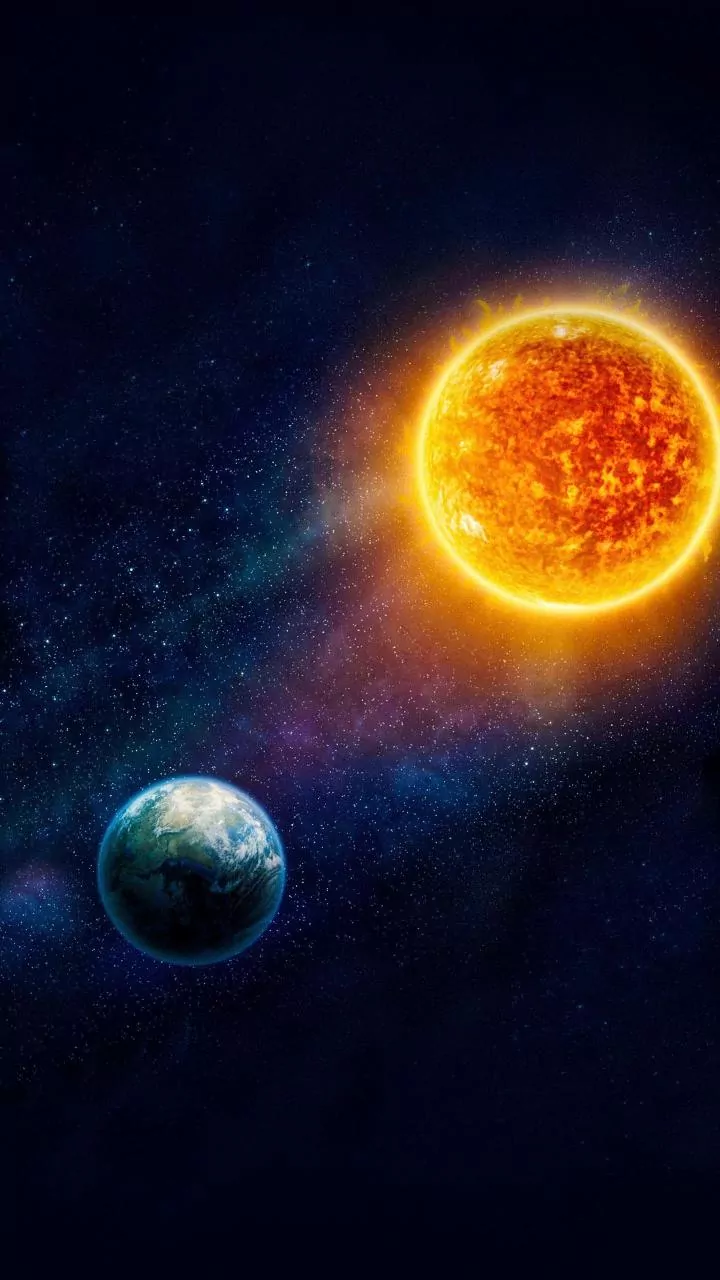
The Threat From 93 Million Miles Away
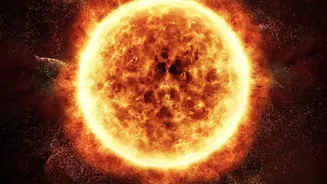
Space weather is not a distant, abstract concept; it has tangible effects on our daily lives. When the Sun ejects massive clouds of charged particles, known as coronal mass ejections (CMEs), or unleashes intense bursts of radiation called solar flares,
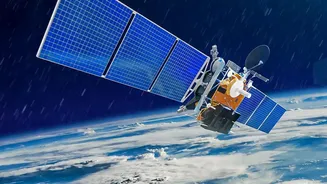
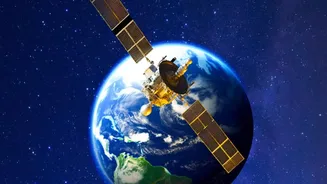
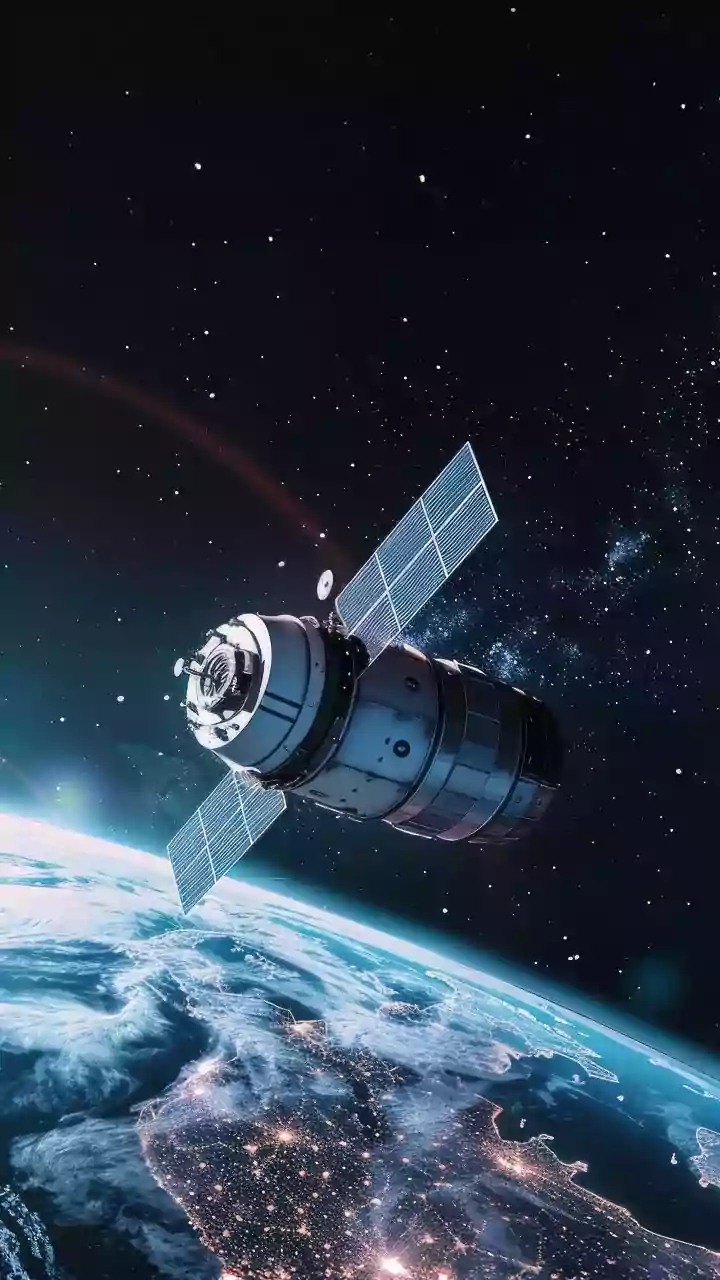
Earth can find itself in the path of a geomagnetic storm. These events can induce powerful electrical currents in our power grids, potentially causing widespread blackouts and damaging critical transformers. Satellites, which are essential for everything from GPS navigation and financial transactions to weather forecasting, are particularly vulnerable. A severe solar storm could damage their electronics, degrade their solar panels, or even cause them to lose altitude and fall out of orbit. In our increasingly tech-dependent world, the potential economic and societal disruption from a major solar storm is immense.
The Challenge of Looking at the Sun
Predicting when these powerful solar events will occur and whether they will impact Earth is incredibly complex. For years, forecasters have relied on a combination of physics-based models and direct observation from a fleet of solar observatories. These methods have been crucial, but they have limitations. It can be difficult to predict the exact timing and intensity of a storm's impact on Earth. We have vast amounts of data from satellites, but the space between the Sun and Earth is enormous, and our observation points are few and far between. This makes it challenging to get a complete picture and often provides only a short window of warning before a storm hits, sometimes not enough time to take meaningful protective measures.
Enter Artificial Intelligence
This is where artificial intelligence comes in. AI, specifically machine learning and deep learning, is perfectly suited to sift through the mountains of data collected by solar observatories. These algorithms can identify subtle patterns and connections in the Sun's magnetic fields and acoustic activity that are invisible to human analysts. By training on years of historical data, AI models can learn the precursors to solar flares and CMEs, offering a new way to forecast these potentially hazardous events. Instead of just relying on what we can see at the moment, AI allows scientists to detect the faint warning signs of an active region forming hours or even days before it becomes a visible threat.
Putting AI to the Test: The DAGGER Model
One of the most promising new tools is a model called DAGGER (Deep Learning Geomagnetic Perturbation). Developed through a partnership including NASA, this AI can predict the specific locations on Earth where a solar storm will strike with 30 minutes of advance warning. Unlike previous models that were either slow or only provided localized forecasts, DAGGER analyzes real-time data from spacecraft measuring the solar wind and provides a rapid, global prediction. In tests against past storms from 2011 and 2015, the model accurately forecasted the impacts. This 30-minute lead time could be enough for power grid operators and satellite controllers to take preventative actions, much like a tornado siren provides a crucial window to seek shelter. Other AI models are also showing promise, with some research suggesting they can identify the emergence of potentially dangerous active regions on the Sun hours in advance.
The Road Ahead for AI Forecasting
Despite these incredible advances, AI is not yet a crystal ball for space weather. The models are still in development and face challenges, such as the 'black box' problem, where it can be hard to understand exactly how the AI reaches its conclusions. Furthermore, data can be sparse, and the most extreme and dangerous storms are, by their nature, rare, which makes it harder to train models to predict them. Current models like DAGGER predict the impact of a storm once the solar wind is on its way, providing a crucial but short-term warning. Other models can predict the emergence of an active region, but not necessarily if or when that region will produce a major flare. The goal is to integrate these different AI approaches to create a more complete forecasting system, from the Sun to the Earth.