



The Building Blocks: What Are Amino Acids?
Before diving into 'complete' versus 'incomplete' proteins, it's helpful to understand what protein is made of. Proteins are complex molecules built from smaller units called amino acids. Think of them as individual beads on a string. Our bodies use about
20 different amino acids to build everything from muscle tissue and enzymes to hormones. While our bodies can produce some of these amino acids, there are nine that we cannot make on our own. These are called 'essential amino acids', and we must get them from the food we eat. A food source that provides all nine of these essential amino acids in sufficient quantities is considered a nutritional powerhouse.
Decoding 'Complete' Protein
A 'complete protein' is a food that contains all nine essential amino acids in adequate amounts. Animal-based foods like meat, eggs, and dairy are typically complete proteins. On the other hand, plant-based foods are often labelled 'incomplete'. This term can be misleading. Most plant foods actually contain all nine essential amino acids, but they are often low in one or two, making the overall amount of that specific amino acid insufficient. This low-level amino acid is known as the 'limiting amino acid' because it limits the body's ability to construct new proteins from that food source alone.
The Perfect Partnership: Grains and Legumes
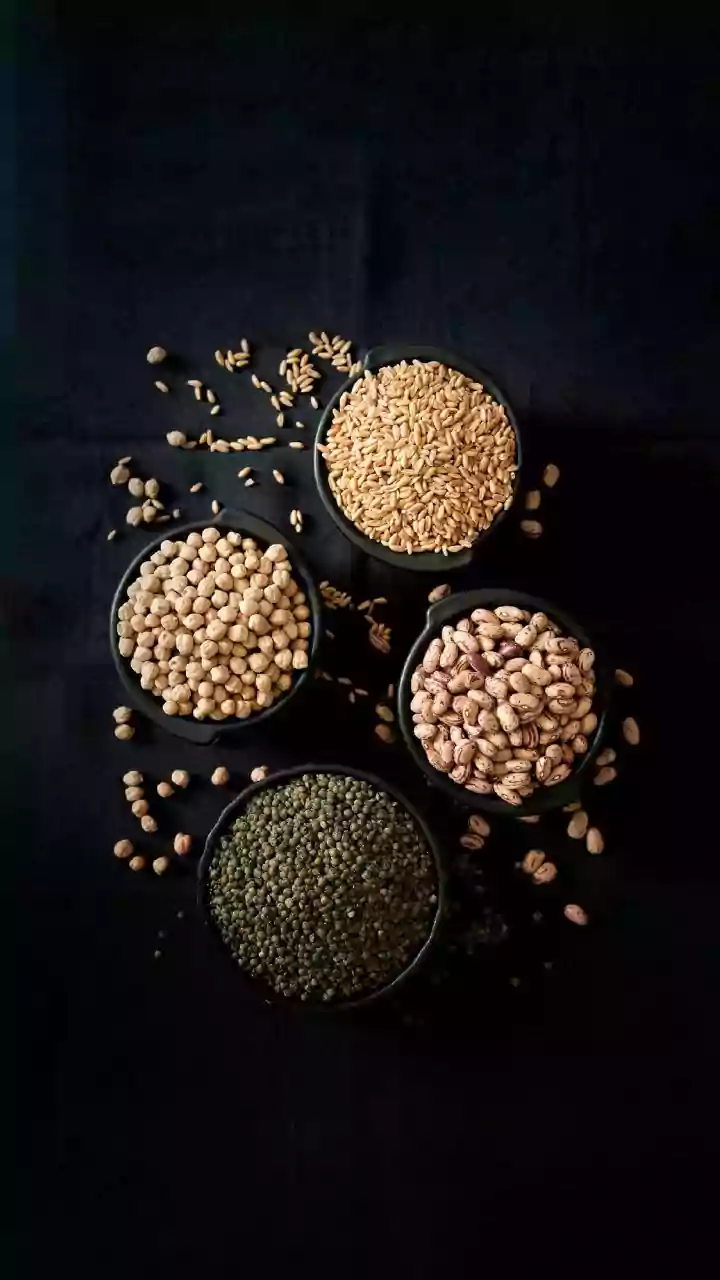
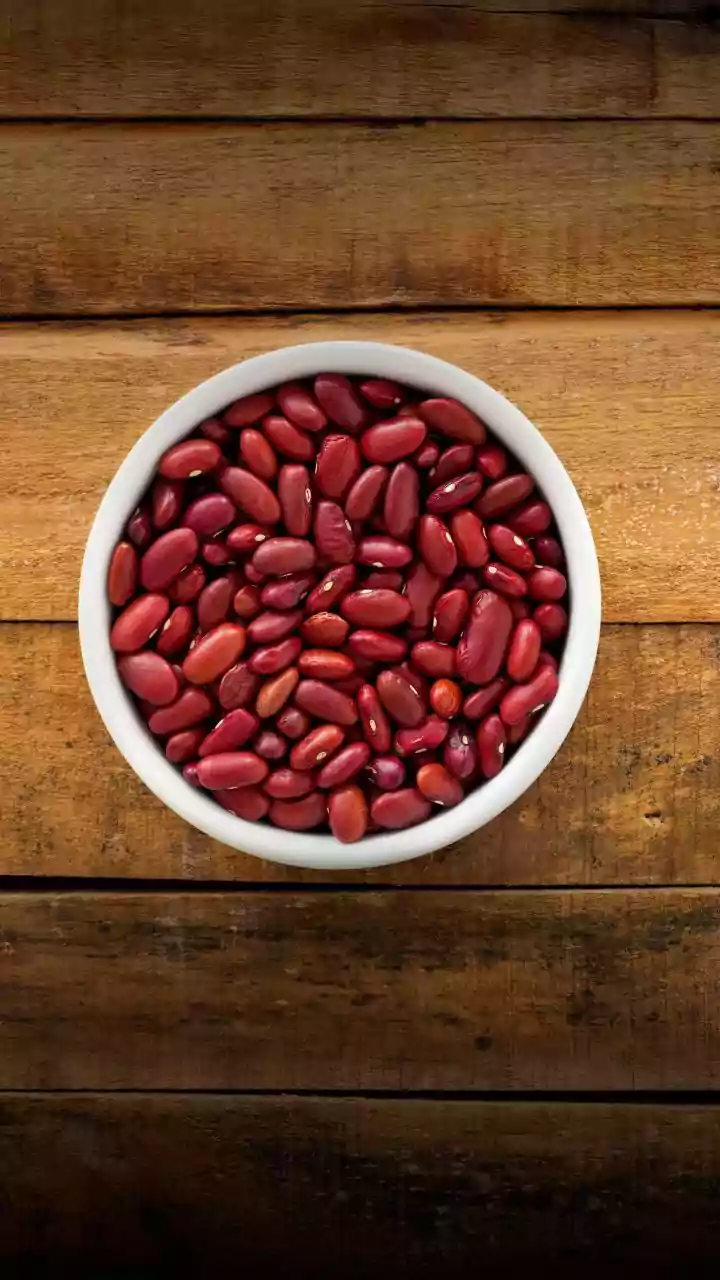
This is where the magic of combining foods comes in. Cereal grains and legumes have a complementary relationship because their limiting amino acids are opposites. Most cereal grains—like rice, wheat, and corn—are low in the essential amino acid lysine but contain adequate amounts of another essential amino acid, methionine. Conversely, legumes—such as lentils, beans, and chickpeas—are rich in lysine but low in methionine. When you consume them together, they form a synergistic pair. The lysine from the legumes compensates for the shortage in the grains, and the methionine from the grains makes up for the deficit in the legumes. Together, they deliver a full profile of all nine essential amino acids, creating a high-quality, complete protein source.
A Tradition Rooted in Science
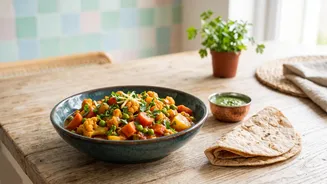
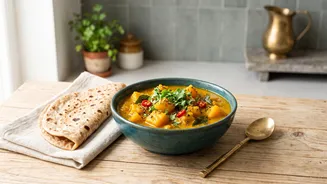
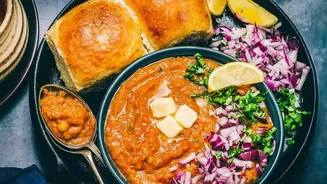
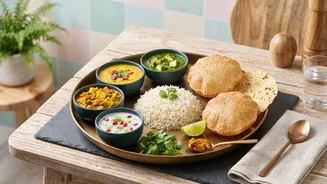
This nutritional strategy isn't a modern discovery; it's a cornerstone of traditional cuisines across India and the world. The classic Indian meal of dal and rice is a perfect example of protein complementation. The lentils (dal) provide the lysine that rice lacks, and the rice provides the methionine that the lentils are low in. The same principle applies to countless other beloved dishes: roti served with chana masala, rajma chawal, and khichdi. This isn't unique to Indian food, either. Think of Mexican rice and beans or Middle Eastern hummus (chickpeas) with pita bread (wheat). These culinary traditions intuitively mastered complete protein pairing long before the science was fully understood.
Does Timing Matter?
For years, it was believed that you had to eat complementary proteins within the same meal for your body to properly use them. This led to meticulous meal planning for many vegetarians and vegans. However, nutritional science has since evolved. Research now shows that the body maintains a 'pool' of free amino acids that it can draw upon as needed throughout the day. This means that as long as you eat a varied diet that includes different plant protein sources over the course of a day, your body can combine the amino acids to form complete proteins. So, if you have dal for lunch and roti for dinner, your body still gets the full benefit. This makes achieving complete protein intake on a plant-based diet far more flexible and less stressful than once thought.