


A Hunger for Heritage
In an increasingly globalized world, where food culture can become homogenized, this culinary revival is a powerful act of reclaiming identity. For many, recreating a grandmother's specific fish curry or a village's seasonal specialty is more than just
cooking; it's a way to connect with their roots. These dishes are edible history, carrying stories of migration, local ecology, and family traditions that often don't exist in written records. As mass-produced foods become more common, there's a growing desire for meals with a clear origin and a real story. This movement isn't just about nostalgia; it's a conscious choice to preserve cultural memory on a plate, providing a tangible link to a family's unique past.
The Search for Lost Flavours
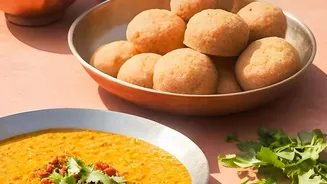
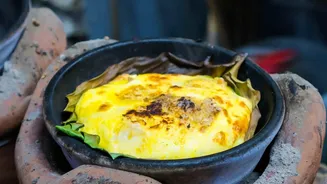
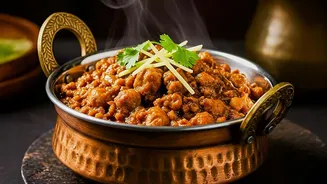
The standard Indian restaurant menu, both at home and abroad, often presents a simplified, greatest-hits version of a vast and complex culinary landscape. Many home cooks are now pushing back against this, exploring hyperlocal or micro-cuisines that rarely make it into the mainstream dining scene. This involves a dedicated search for dishes that have faded from collective memory, like the rustic Pindi Chhole from Punjab, free of the now-common tomatoes, or the Kalinga Kheer, a rice pudding once enjoyed by royalty in ancient Odisha. Chefs and home cooks alike are travelling to villages, speaking with elders, and digging through old family notebooks to document and revive these preparations before the keepers of this knowledge are gone. The goal is to resurrect dishes not as museum pieces, but as living, breathing meals meant to be shared.
The Digital Heirloom
Ironically, one of the biggest drivers of this return to the past is modern technology. Social media platforms like Instagram and YouTube have become powerful digital archives, enabling a new generation to discover and share these lost recipes. Family recipes that once existed only in oral tradition are now being documented in video tutorials and blog posts, shared across cities and countries. A home cook in Kolkata posting about a forgotten Bengali 'bhorta' can inspire someone miles away to explore their own culinary heritage. This digital renaissance allows for a collaborative and widespread revival, creating communities of 'culinary custodians' who are collectively safeguarding India's diverse foodways for the future.
Wellness Rooted in Tradition
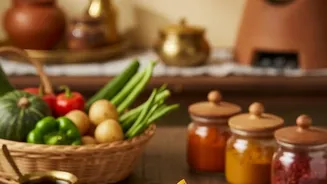
The movement is also fuelled by a growing focus on health and wellness. Many are turning away from processed foods and rediscovering the nutritional wisdom embedded in traditional diets. Ancestral recipes often feature a wider variety of ingredients like millets, sorghum, and local greens, which were sidelined by modern agriculture's focus on wheat and polished rice. These traditional grains and plant-based dishes are often rich in nutrients and aligned with principles of sustainable, seasonal eating. By reviving these recipes, home cooks are not only exploring unique flavours but also embracing a healthier way of eating that is naturally low in calories and high in immunity-boosting properties.