



The Science of Green Serenity
There's a scientific reason why being around plants feels so good. It’s called the biophilia hypothesis, which suggests that humans have an innate tendency to connect with nature. For our ancestors, this connection was essential for survival, and though
most of us now live in urban jungles, that biological craving for the natural world persists. Studies have shown that interacting with indoor plants can lower physiological and psychological stress. A 2015 study found that simply engaging in a small task like repotting a plant can reduce the body's stress response, lowering heart rate and blood pressure. Even just having plants in your space is linked to reduced anxiety, improved mood, and better concentration. They offer a quiet, living presence that helps anchor us in the present moment.
More Than Just a Pretty Leaf
Beyond the psychological boost, houseplants offer tangible physical benefits. They are natural air purifiers, absorbing toxins and releasing fresh oxygen, which can contribute to a healthier home environment. While you'd need a dense forest in your flat to completely purify the air, every little bit helps create a feeling of freshness and clarity. Some plants also increase humidity levels, which can be a blessing in dry, artificially heated apartments. The act of caring for a plant—watering it, watching it grow, and tending to its needs—also fosters a sense of purpose and accomplishment. This simple routine can be a form of mindfulness, a gentle daily ritual that takes you away from screens and deadlines.
Your Indoor Garden Starter Pack
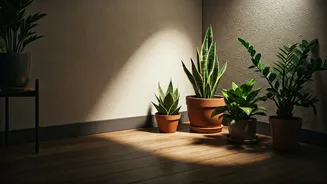
The good news is you don’t need a green thumb to get started. Many houseplants are famously resilient and thrive in typical apartment conditions. If you're new to plant parenthood, consider one of these low-maintenance options: Snake Plant (Sansevieria): Almost indestructible, the snake plant tolerates low light and infrequent watering. Its upright, architectural leaves add a modern touch to any room. Pothos (Epipremnum aureum): Often called the 'cubicle plant' for its hardiness, Pothos is a trailing vine with heart-shaped leaves that looks great on shelves or in hanging baskets. It’s very forgiving and will even tell you when it’s thirsty by drooping its leaves slightly. * ZZ Plant (Zamioculcas zamiifolia): If your apartment lacks natural light, the ZZ plant is your best friend. With glossy, dark green leaves, it thrives on neglect and requires very little water, making it perfect for busy people or frequent travellers.
Maximising Greenery in Small Spaces
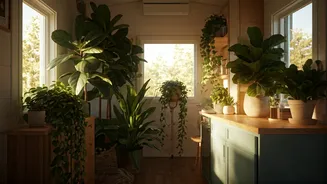
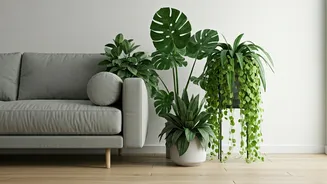
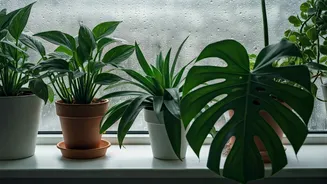
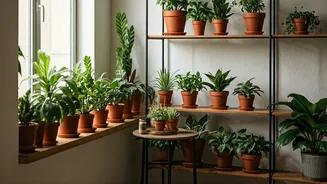
Limited floor space is the biggest challenge in a city home, but with a little creativity, you can go green without the clutter. Think vertically. Hanging planters are a fantastic way to add lushness without sacrificing surface area, drawing the eye upward and making a room feel more open. You can hang them from ceiling hooks, curtain rods, or wall brackets. Floating shelves are another excellent option, allowing you to create layered displays of smaller pots. A narrow ladder shelf can turn an empty corner into a multi-tiered plant stand. Don't underestimate the power of your windowsill, which can become a mini-garden for sun-loving succulents or herbs. You can also group several small plants together on a tray to create a single, impactful focal point that feels intentional rather than scattered.