



Why Your Kitchen Needs This System
A well-organised kitchen is about more than just aesthetics; it's about efficiency, safety, and savings. How often have you thrown out a food item because you weren't sure how old it was? Implementing a clear labeling system helps tackle several common
kitchen frustrations at once. Firstly, it’s a powerful tool against food waste. When you can clearly see when an item was purchased, made, or opened, you’re more likely to use it before it spoils. This directly translates into saving money, as you'll spend less on replacing expired goods and avoid buying duplicates of what you already have. Secondly, it significantly boosts food safety. Certain bacteria can grow even under refrigeration, and knowing the age of your leftovers or opened products is crucial for preventing foodborne illnesses. Finally, an organised storage system simply reduces daily stress. No more guessing games or digging through a cluttered pantry; you can find what you need instantly, making meal prep and cooking a more enjoyable and seamless process.
The Three Key Pieces of Information
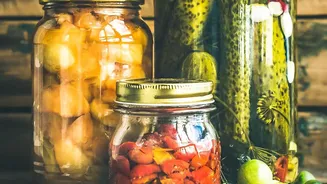
The strength of this system lies in its simplicity and the specific data it captures. Let's break down the essential trio: Date, Batch, and Opening Information. 'Date' is the most critical element. This could be the date you cooked a dish, froze leftovers, or opened a commercial package. While 'Best Before' dates give a sense of quality, the date you open a jar of pasta sauce or a carton of milk is often more important for safety and freshness. 'Batch Information' might seem like something only for manufacturers, but it has a role in the home kitchen too. For commercial products, noting the batch code can be crucial if there's a product recall. For homemade items like a large batch of chutney or masala, giving it your own 'batch number' (e.g., 'Garam Masala - June 2026') helps you track which one is which if you make multiple batches over time. 'Opening Information' is the game-changer. The 'Use By' date on a product is void once you break the seal. A simple sticker stating 'Opened: July 22' tells you exactly how long that jar of pickles has been sitting in your fridge, giving you a real-world timeline for its use.
Putting the System into Practice
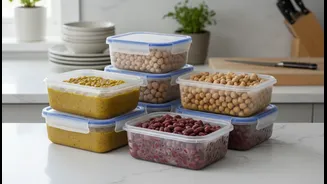
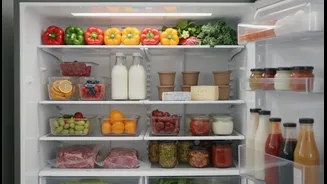
Adopting this routine doesn't require expensive gadgets. The most common method in professional kitchens is simply masking tape and a permanent marker—it’s cheap, effective, and works on almost any container. For a cleaner look, you can buy dissolvable or erasable food labels. The key is to make it a habit: label everything as soon as you store it. Whether you're putting away leftovers, decanting a new bag of dal, or opening a new jar of jam, take the extra 10 seconds to label it. To make the system work, embrace the 'First-In, First-Out' (FIFO) principle. This professional kitchen standard is easy to apply at home: when you buy a new item, place it behind the older one on the shelf. This ensures you always grab the older item first, naturally rotating your stock and preventing anything from getting lost and expiring in the back of the cupboard.
Perfect for the Indian Kitchen
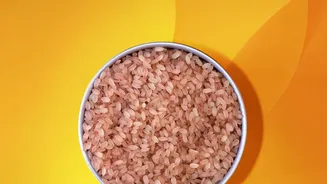
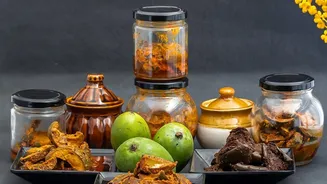
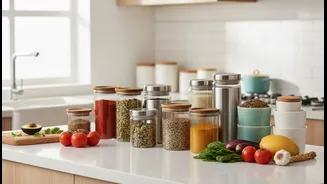
This labeling system is particularly well-suited to the dynamics of an Indian kitchen, which often involves a wide array of spices, lentils, flours, and homemade preparations. Spices, the soul of Indian cooking, lose their potency when exposed to air, heat, and light. When you decant them into your masala dabba or other airtight jars, label the bottom of the container with the purchase date to track freshness. For bulk items like rice and dals, which are often bought in large bags and stored in canisters, a label with the purchase date helps you follow the FIFO method. Homemade items are where this system truly shines. For that big batch of ginger-garlic paste, a jar of homemade ghee, or a container of biryani masala, a simple label with the contents and the date it was made is invaluable. When you freeze leftover curry or homemade paneer, a clear label prevents you from discovering a mystery frozen block months later. Always use a dry spoon for your spices and ensure containers are airtight to prevent moisture from causing clumping and spoilage.