





The humble potato, a cornerstone of Indian cuisine, is getting a vibrant makeover. A new purple variety, packed with nutrients, is capturing attention, raising hopes that this common staple could soon double as a superfood on Indian plates.
Meet Kufri Jamunia: The Purple Powerhouse
Imagine a potato
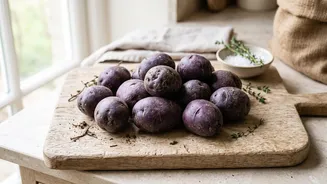
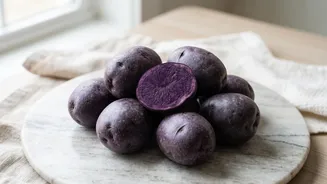
that looks more like a jamun or a blueberry. That's 'Kufri Jamunia', a new variety developed by the Indian Council of Agricultural Research’s Central Potato Research Institute (ICAR-CPRI) in Shimla and officially released in 2024. Unlike earlier coloured varieties that had purple skin but yellow or cream flesh, Kufri Jamunia has a deep purple colour through and through. This isn't a genetic modification but the result of conventional plant breeding. Scientists developed it to tackle 'hidden hunger'—a condition where people get enough calories but lack essential vitamins and minerals.
A Nutritional Upgrade to the Daily Aloo
The striking purple colour is more than just a novelty; it’s a sign of a rich nutritional profile. The pigment comes from anthocyanins, powerful antioxidants also found in berries and other purple fruits. Studies show that Kufri Jamunia contains significantly higher levels of Vitamin C, iron, and zinc compared to conventional potatoes. For instance, 100 grams of Kufri Jamunia contains about 3.22 mg of iron and 2.28 mg of zinc, which is substantially more than regular varieties. These antioxidants and micronutrients are linked to numerous health benefits, including a lower risk of chronic diseases. The development is part of a broader push towards biofortification, which aims to make staple crops naturally more nutritious.
From the Lab to the Land
Developing a new crop is one thing; getting it to farmers and onto dinner tables is another. Kufri Jamunia has been designed with farmers in mind. It is a medium-maturing variety, taking about 90-100 days to grow, and offers a high yield potential of 32 to 35 tonnes per hectare under standard farming practices. It's also suitable for cultivation across the North Indian plains, including major potato-growing states like Punjab, Haryana, Uttar Pradesh, and Bihar. Furthermore, it has good storability, with a dormancy period of 6-8 weeks, which means the tubers don't sprout quickly and have a longer shelf-life, reducing post-harvest losses for farmers.
The Challenge: Will Consumers Bite?
One of the biggest hurdles for any new, unusually coloured food is consumer acceptance. Indian consumers are accustomed to white or yellow-fleshed potatoes, and a purple aloo might be met with curiosity, but also hesitation. Colour plays a huge psychological role in how we perceive food's taste and quality. Awareness will be key. Initial taste tests conducted by CPRI have been positive, with most participants rating its flavour and texture as good or excellent. Its mealy texture makes it versatile for traditional Indian dishes like curries and parathas. However, the real test will come when it hits the wider market and has to compete with the familiar, affordable potatoes that have been a dietary staple for generations. While there's a growing trend towards natural and healthy foods in India, the success of Kufri Jamunia will depend on its price, availability, and how effectively its health benefits are communicated to the public.