






Why You Need a Pet Health File
Think of a pet health file as your furry friend’s medical biography. It’s a centralised, single source of truth for their entire health history. In an emergency, this file can save valuable time and provide critical information to veterinary staff. When
you visit a new vet, a groomer, or a boarding facility, having this information organised makes for a seamless handover. Most importantly, it empowers you as a pet parent. By tracking your pet's health over time, you can spot subtle changes in weight, behaviour, or appetite that might signal an early-stage health issue. A detailed record allows you to have more informed, productive conversations with your veterinarian, making you a true partner in your pet’s care.
The Essential Components of Your File
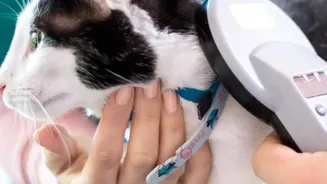
A comprehensive file is more than just a stack of receipts. To make it truly useful, it should be organised and contain specific categories of information. Start with the basics: your pet’s name, breed, date of birth, and microchip number. Include clear photos for identification. Next, add contact information for your primary vet and the nearest 24/7 emergency animal hospital. The core of the file will be the medical section. This should include a complete vaccination history, records of any surgeries or major illnesses, known allergies, and results from diagnostic tests like blood work or X-rays. Don’t forget to note dietary information, including their usual food brand, portion sizes, and any sensitivities.
Tracking Medications Like a Pro
This is where your file becomes an indispensable daily tool, especially for pets with chronic conditions. For each medication, create a dedicated log. Record the full name of the drug, the dosage, and the frequency. Note whether it should be given with food or on an empty stomach. It's also helpful to track the start and end dates of a prescription and the reason it was prescribed. Perhaps most importantly, create a section for observations. Did you notice any side effects like lethargy or an upset stomach? Did the medication seem to improve the condition? This real-time feedback is invaluable for your veterinarian when they assess the treatment plan. It helps them make adjustments to dosage or switch medications if necessary, ensuring your pet gets the most effective and comfortable care.
Going Digital or Staying Physical?
How you keep your file is a matter of personal preference, and both methods have their benefits. A physical binder with tabbed dividers is tangible and easy to flip through, and it doesn't rely on internet access or battery life. You can easily slip in receipts and printed reports. On the other hand, a digital file stored in the cloud (like on Google Drive or Dropbox) is accessible from any device, anywhere, and can be shared instantly with your vet or a pet sitter via email. There are also numerous apps designed specifically for tracking pet health, which offer features like automated reminders for vaccinations and medications. Some pet owners even use a hybrid approach, keeping a physical binder for primary documents and a digital system for daily logs and quick access.
Your Vet Is an Irreplaceable Partner
This is the most critical point: your pet file is a tool to support your veterinarian, not replace them. It is a record, not a diagnostic tool. The information you gather is meant to provide a clearer, more detailed picture for the trained professional who is qualified to interpret it. Never use your observations to self-diagnose your pet or administer medication without veterinary guidance. A change in behaviour that you note in your file could be a symptom of numerous different conditions, and only a vet has the expertise and diagnostic tools to determine the true cause. Your file makes you a better assistant in your pet's healthcare; it does not make you the doctor. Always consult a professional for diagnosis and treatment plans.