


The Problem with Today's Batteries
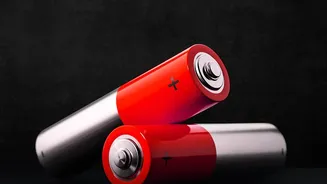
The vast majority of electric vehicles today, from high-end cars to the scooters zipping through our cities, run on lithium-ion batteries. This technology has served us well, but it has inherent limitations. At its core, a lithium-ion battery uses a liquid
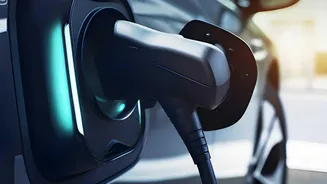
electrolyte to move ions between the anode and cathode to generate power. This liquid is often flammable and sensitive to temperature. In cold weather, it can thicken and slow down charging. In hot weather, fast charging can generate excess heat, posing a safety risk and requiring complex and costly cooling systems to prevent a dangerous situation known as 'thermal runaway'. This is why you can’t just pump electricity into your scooter indefinitely; the battery management system slows things down to keep it safe, leading to long charging times and the dreaded 'range anxiety'.
Enter the Solid-State Game-Changer
Solid-state batteries tackle this problem by fundamentally changing the battery's chemistry. As the name suggests, they replace the flammable liquid electrolyte with a solid material, such as a ceramic, polymer, or sulfide. This simple but profound switch has massive implications. Firstly, it dramatically improves safety. Without a flammable liquid, the risk of fire from damage or overheating is significantly reduced. Secondly, this stability allows for the use of more advanced components, like a lithium metal anode, which can pack far more energy into the same amount of space. This boosts energy density, meaning a battery of the same size could offer a much longer range, or a smaller, lighter battery could provide the same range as today's bulkier packs.
The Ten-Minute Charging Dream
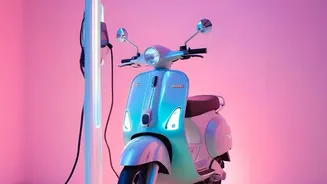
The most exciting promise for daily users is the potential for ultra-fast charging. Because solid-state electrolytes are more stable at higher temperatures, they can handle a much faster influx of energy without degrading or becoming unsafe. While current lithium-ion batteries slow down to protect themselves, solid-state designs can theoretically absorb power much more rapidly. Reports suggest they could charge up to six times faster than current technologies. Some companies are already demonstrating this potential. Verge Motorcycles, an electric motorcycle manufacturer, made headlines in early 2026 by announcing production bikes with solid-state batteries capable of exceptionally fast charging, making the concept of a ten-minute charge a tangible reality. Similar breakthroughs have been showcased in e-bikes, with some batteries able to reach 80 percent capacity in just minutes.
Hurdles Before the Finish Line
While the technology is incredibly promising, a ten-minute charge for your personal scooter is not happening tomorrow. The biggest obstacles are cost and manufacturing at scale. The materials and complex processes required to produce solid-state batteries currently make them much more expensive than their lithium-ion counterparts. While some companies have achieved production for high-end motorcycles, bringing that cost down for the mass-market scooter segment is a significant challenge. Furthermore, some current solid-state designs have slower charging speeds due to conductivity issues, though this is an active area of research. Experts believe that while commercialisation is beginning now in 2026 for niche applications, widespread adoption is more likely between now and 2030 as manufacturing matures.
The Road Ahead for Indian Riders
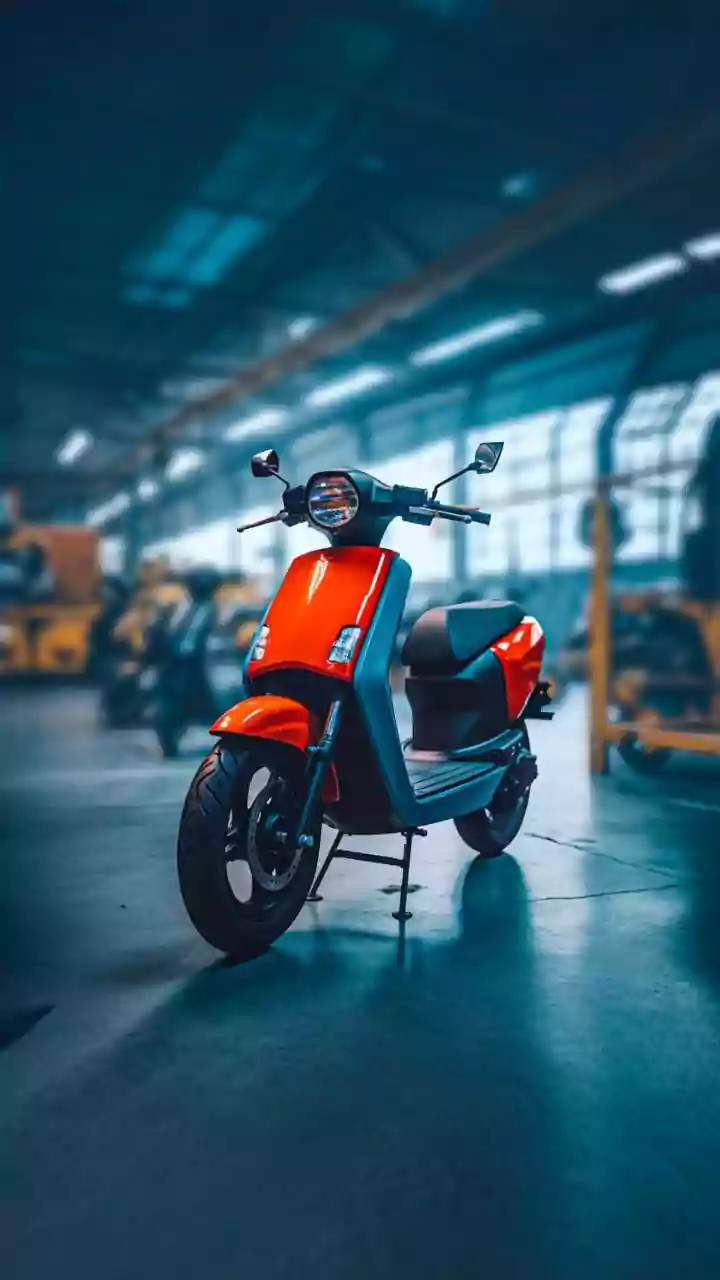
The shift towards next-generation battery technology is well underway in India. Major conglomerates like Tata Group and JSW Group are investing heavily in R&D to build domestic capabilities and reduce reliance on imported technology. Companies like Agratas (a Tata unit) are building facilities to develop advanced battery chemistries, while a host of other Indian firms such as GODI, Exicom, and Battrixx are pushing the envelope on EV batteries. There are even local startups like Inventus, which is developing its own proprietary solid-state technology for extreme conditions. This domestic push is crucial for making advanced batteries affordable and accessible. As these Indian companies innovate and scale up, the prospect of an electric scooter that is safer, offers a longer range, and charges in minutes moves from a lab experiment to an eventual reality on Indian roads.