



1. For a Glossy, Perfect Gravy
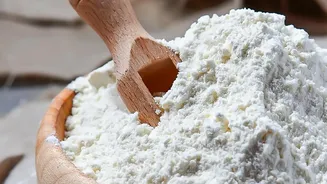
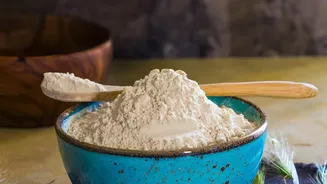
One of arrowroot's primary functions is as a thickener, and it truly shines in sauces and gravies. Unlike cornstarch, which can sometimes result in a cloudy or chalky finish, arrowroot creates a beautifully clear and glossy sauce. It also thickens at a lower
temperature and doesn't break down in acidic ingredients, making it ideal for things like a sweet and sour sauce. To make a simple gravy, start by creating a slurry. Whisk one tablespoon of arrowroot powder with a few tablespoons of cold water or broth until completely smooth. Slowly pour this mixture into your simmering pan juices or broth while whisking constantly. Continue to gently heat for a minute or two until the gravy thickens to your desired consistency. Be careful not to boil it vigorously, as prolonged high heat can cause it to thin out again.
2. To Create an Extra-Crispy Coating
Looking for a shatteringly crisp crust on baked or fried foods? Arrowroot is the secret. Its ability to absorb moisture makes it an excellent choice for coating everything from chicken pieces to potato wedges. For incredibly crispy oven-baked fries, toss your cut potatoes with olive oil, seasonings, and a tablespoon or two of arrowroot flour before baking. The starch creates a dry surface that crisps up beautifully in the heat. The same principle applies to chicken. For a simple gluten-free crispy chicken, cut chicken breast into pieces and dredge them in a mixture of arrowroot flour seasoned with salt, paprika, and garlic powder. Pan-fry in a bit of oil until golden brown and cooked through for a result that’s crunchy on the outside and juicy on the inside.
3. For Light and Tender Gluten-Free Cookies
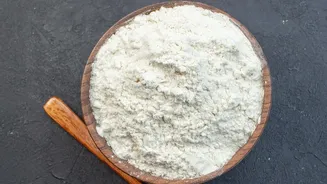
In gluten-free baking, arrowroot flour helps create a lighter, softer texture that can be difficult to achieve with denser nut or grain flours. It's rarely used alone but works wonderfully in a flour blend to add tenderness and structure. For simple, melt-in-your-mouth cookies, you can try a recipe that relies heavily on arrowroot's unique properties. Combine about 1 ¼ cups of arrowroot flour with ¼ cup of powdered sugar and a pinch of salt. In a separate bowl, mix one egg, ¼ cup of melted butter, and a dash of vanilla. Combine the wet and dry ingredients to form a soft dough. You can then press or roll the dough and bake at a moderate temperature (around 170°C or 350°F) for 10-15 minutes until just firm. The result is a delicate, light cookie with a signature snap.
4. To Thicken a Jammy Fruit Pie Filling
Runny pie filling is a common baking frustration, especially with very juicy fruits. Arrowroot is an excellent solution. It creates a thick, jammy filling that holds its shape when sliced. Crucially, it stands up well to acidic fruits like berries and cherries, where cornstarch can sometimes struggle. It also freezes well, meaning your make-ahead pie won't turn watery upon thawing. For a classic cherry pie filling, toss six cups of pitted cherries with one cup of sugar, ¼ cup of arrowroot powder, and a tablespoon of lemon juice. Let it sit while you prepare your pie crust. The arrowroot will dissolve and thicken into a perfect, stable filling as the pie bakes, giving you a clean slice every time.
5. For a Silky Smooth Pudding
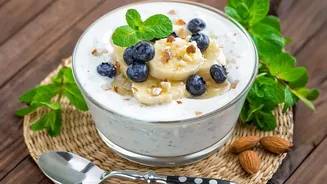
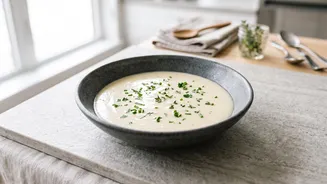
The same properties that make arrowroot great for sauces also make it perfect for puddings and custards. It produces a silky, smooth texture that's never gummy or heavy. Unlike flour-based puddings, arrowroot is completely flavourless, letting the main ingredients like chocolate or vanilla shine. To make a simple vanilla pudding, gently heat two cups of milk with a few tablespoons of sugar. In a small bowl, whisk three tablespoons of arrowroot flour with a little cold milk to make a slurry. Pour the slurry into the warm milk, whisking continuously until the pudding thickens, which should only take a few minutes. Take it off the heat and stir in vanilla extract. The pudding can be enjoyed warm or chilled.