







The Diaspora Driving Demand
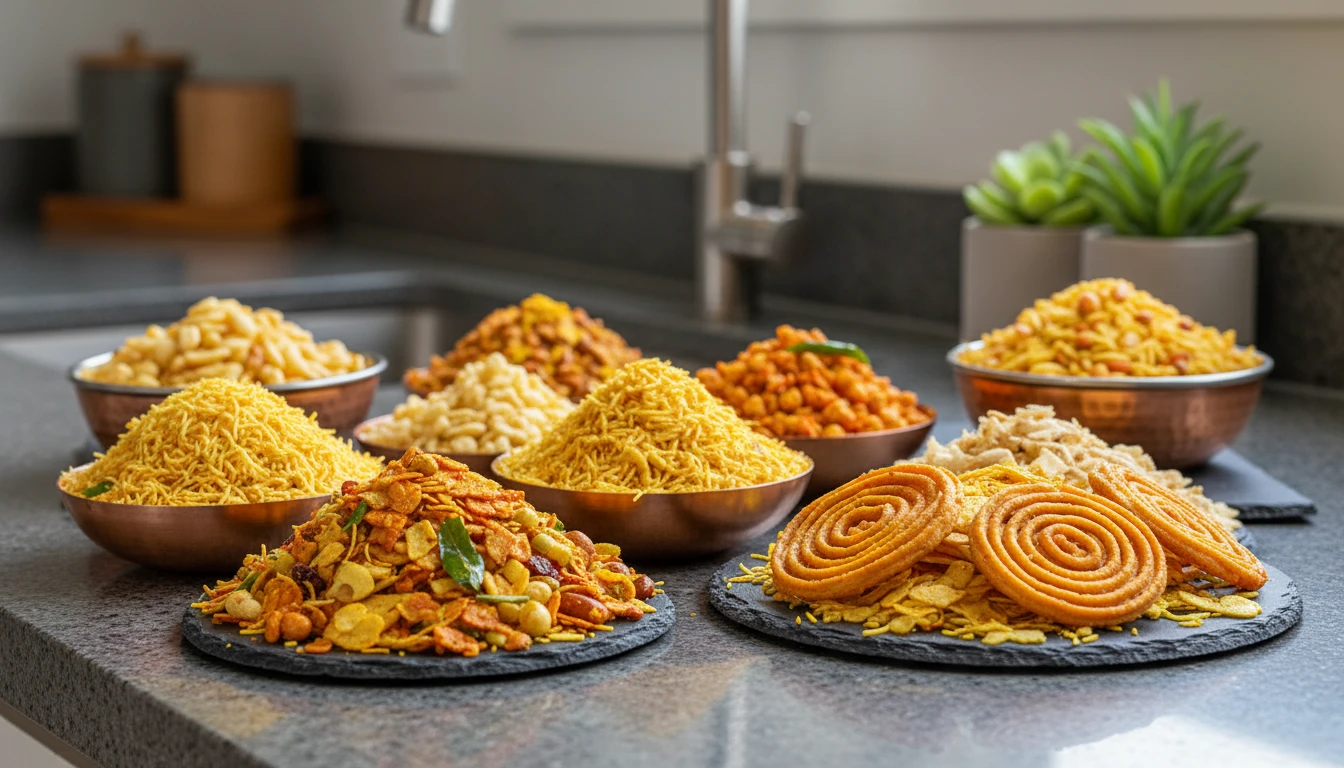
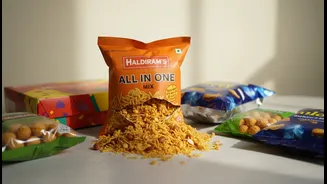
The primary engine behind the global push of Indian snack brands is the large and growing Indian diaspora. With over 18 million Indians living abroad, a built-in demand for familiar tastes provides a powerful launchpad for companies like Haldiram's, Bikaji,
and Bikanerwala. These consumers aren't just looking for snacks; they are seeking a taste of home, a connection to their cultural roots. This dependable market, particularly in the US, UK, Middle East, and Australia, has created a stable revenue stream that allows brands to establish a foothold. For years, this was the entire strategy: follow the diaspora and stock the shelves of ethnic grocery stores. This customer base is not just substantial but also affluent, creating sustained demand for everything from classic namkeens to packaged sweets.
The Art of Local Adaptation
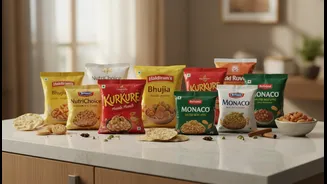
Simply exporting the same product that sells in Delhi or Mumbai is no longer enough. To move beyond the diaspora and capture mainstream consumers, brands are carefully adapting their offerings. This can mean subtle tweaks, like reducing spice levels for European palates or creating new fusion products. Haldiram's, for example, is known for creating special products for different countries while aiming to retain the authentic Indian taste. This strategy also extends to marketing and packaging, with brands adopting modern, zip-lock pouches and a strong digital media presence to compete with international snack giants. Some brands are even entering new categories that align with Western health trends, such as launching baked, millet-based, or gluten-free snacks like makhana (fox nuts), which are positioned alongside kale chips rather than in the ethnic food aisle.
Moving to the Mainstream Aisle
The most significant strategic shift is the ambition to move from the 'ethnic' or 'world food' aisle to the main snack section of global supermarkets. A key partnership in early 2026 between an Australian distributor, Haldiram's, and Spain's Nippon Group explicitly aims to push Indian snacks into mainstream European retail. This signifies a change in positioning; Indian snacks are no longer being sold just as a niche import but as a mainstream grocery item. Major players like Bikaji are investing millions to set up manufacturing plants directly in the US to accelerate growth and enhance their market presence, signalling a long-term commitment to these markets beyond simple exporting. This move helps shorten supply chains, ensures product freshness, and allows for quicker adaptation to local market feedback.
The Ceiling on Growth
Despite the impressive growth, there are inherent limits. One of the biggest challenges is overcoming the perception among some foreign consumers that Indian brands are less trustworthy or of lower quality than established local or Western brands. Navigating complex and stringent food safety regulations in markets like the US and Europe can also be a significant hurdle, leading to compliance issues for some exporters. Furthermore, competition is fierce. Indian brands are not just competing with each other but with global snack titans like PepsiCo, which have massive marketing budgets and deep-rooted distribution networks. The very act of adapting products carries its own risk: modifying flavours to attract new customers can sometimes alienate the core diaspora base that propelled the brand's initial success. Balancing authenticity with adaptation remains a delicate and ongoing challenge for every company in this space.