

A Shift in Travel Mindset
For years, the Indian traveller's calendar was simple: head to the hills to escape the summer heat and avoid them during the monsoon. That logic is now being turned on its head. Travel industry reports and booking trends for 2026 show a significant surge
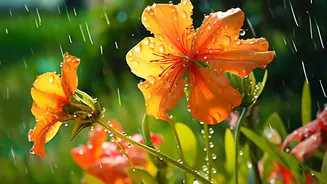
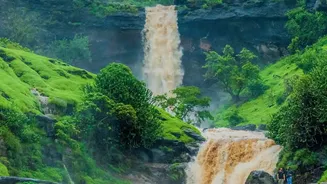
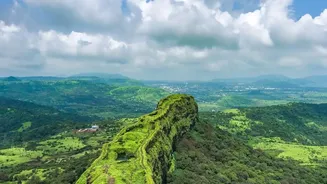
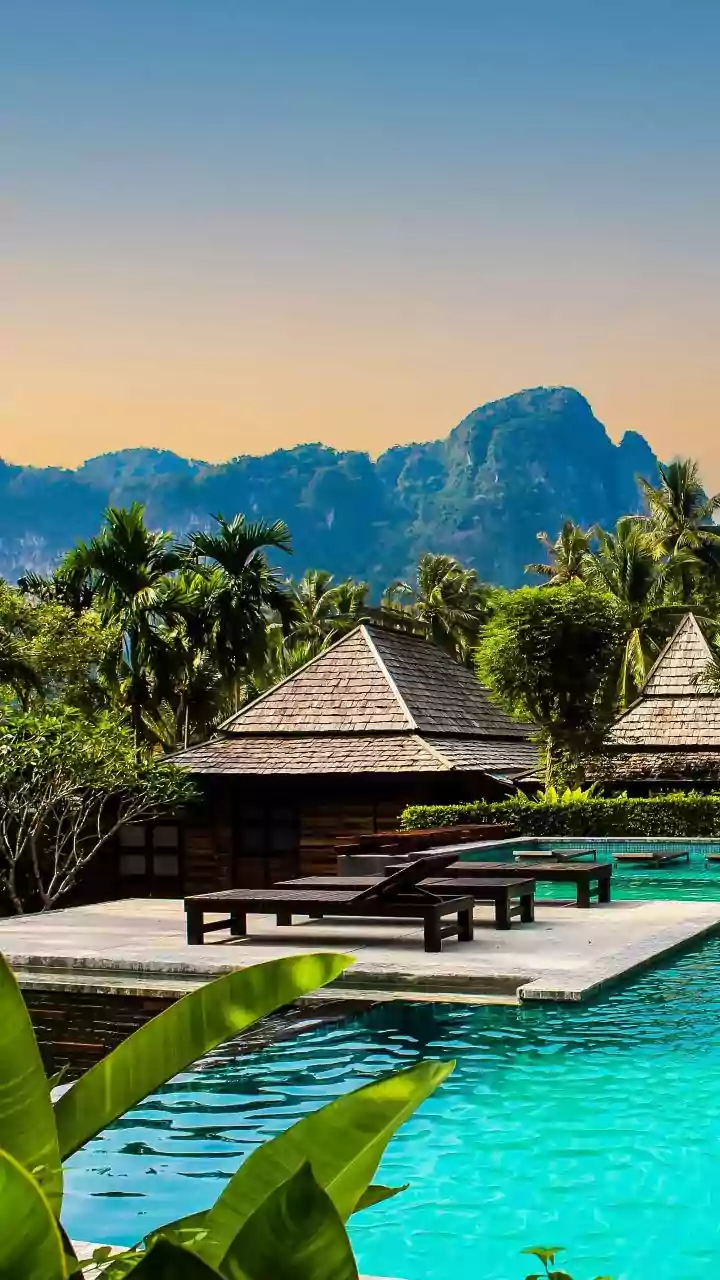
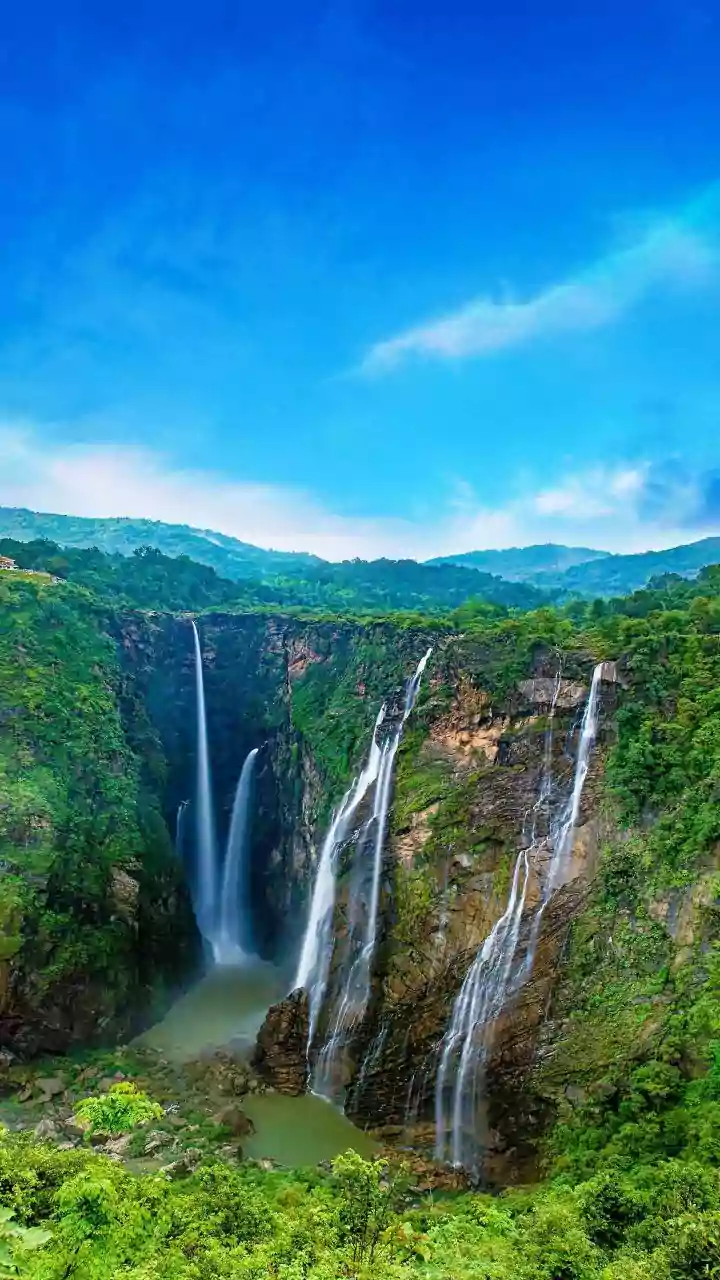
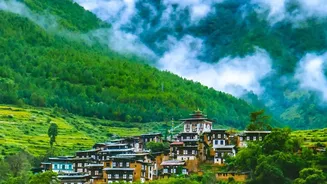
in demand for monsoon tourism. Travellers are increasingly drawn to the unique beauty of the rainy season—vibrant green landscapes, roaring waterfalls, and cooler, cleaner air. The once-dreaded 'off-season' now translates to fewer crowds, lower hotel prices, and a more tranquil experience, making it an attractive proposition for those seeking a break from bustling city life. This shift is part of a broader trend where travellers prioritize unique experiences over conventional holiday schedules.
The August Long Weekend Opportunity
This year, the travel bug is amplified by a well-placed holiday in August. Raksha Bandhan falls on Friday, August 28, 2026, creating an automatic three-day weekend for many. This provides a perfect window for a short, refreshing trip without needing to take extensive leave. For those looking to extend their break, some states have holidays for Onam or Milad-un-Nabi around Wednesday, August 26, making a five-day vacation possible with just a single day off. This calendar alignment has led to a noticeable uptick in travel queries and bookings as people look to make the most of this opportunity.
Popular Monsoon Hill Escapes
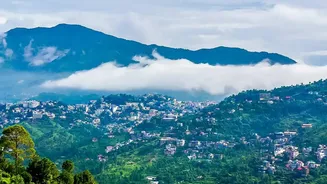
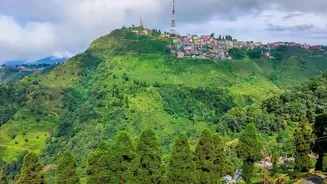
The Western Ghats come alive during the monsoon, making destinations in Maharashtra and Karnataka immensely popular. Places like Mahabaleshwar and Lonavala in Maharashtra offer breathtaking views of foggy valleys and gushing waterfalls. Further south, Coorg in Karnataka is a paradise of rain-drenched coffee plantations and mist-covered hills. Kerala's Munnar, with its sprawling tea estates veiled in clouds, continues to be a favourite for couples and families alike. These regions receive significant rainfall, transforming them into lush green wonderlands, and are relatively accessible from major cities like Mumbai, Bengaluru, and Kochi.
The Himalayan Foothills Beckon
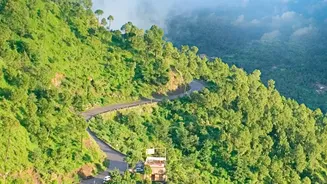
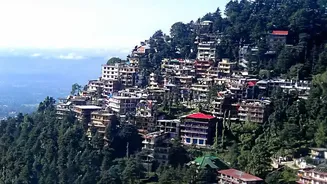
While some parts of the Himalayas are prone to heavy rains and landslides, select destinations in the foothills remain popular choices. Hill stations like Mussoorie in Uttarakhand have seen a significant jump in traveller interest for the monsoon months. The Queen of Hills offers misty roads and stunning views of the green valleys below. Similarly, places like Kasauli in Himachal Pradesh offer a quieter, more subdued monsoon experience. It's crucial, however, for travellers heading to the Himalayas to prioritize safety, check weather forecasts diligently, and choose destinations known for better infrastructure and fewer landslide risks. For those seeking adventure without the rain, Ladakh remains a prime option as it lies in a rain-shadow region and experiences clear skies in August.
Essential Tips for Safe Monsoon Travel
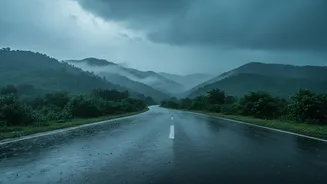
While beautiful, monsoon travel requires careful planning. Safety should always be the top priority. Before booking, check the weather forecast for your destination and the routes leading to it using reliable sources like the India Meteorological Department (IMD). Be aware that hill travel during monsoon carries the risk of landslides and road blockages. Pack appropriately with waterproof bags, quick-drying clothes, and sturdy footwear with good grip. When driving, ensure your vehicle's tyres, brakes, and wipers are in excellent condition and avoid driving at night on unfamiliar hill roads. It's also wise to book accommodations with flexible cancellation policies and keep a list of emergency contact numbers handy. Always stick to main roads and avoid taking unexplored shortcuts, especially in hilly terrain.