


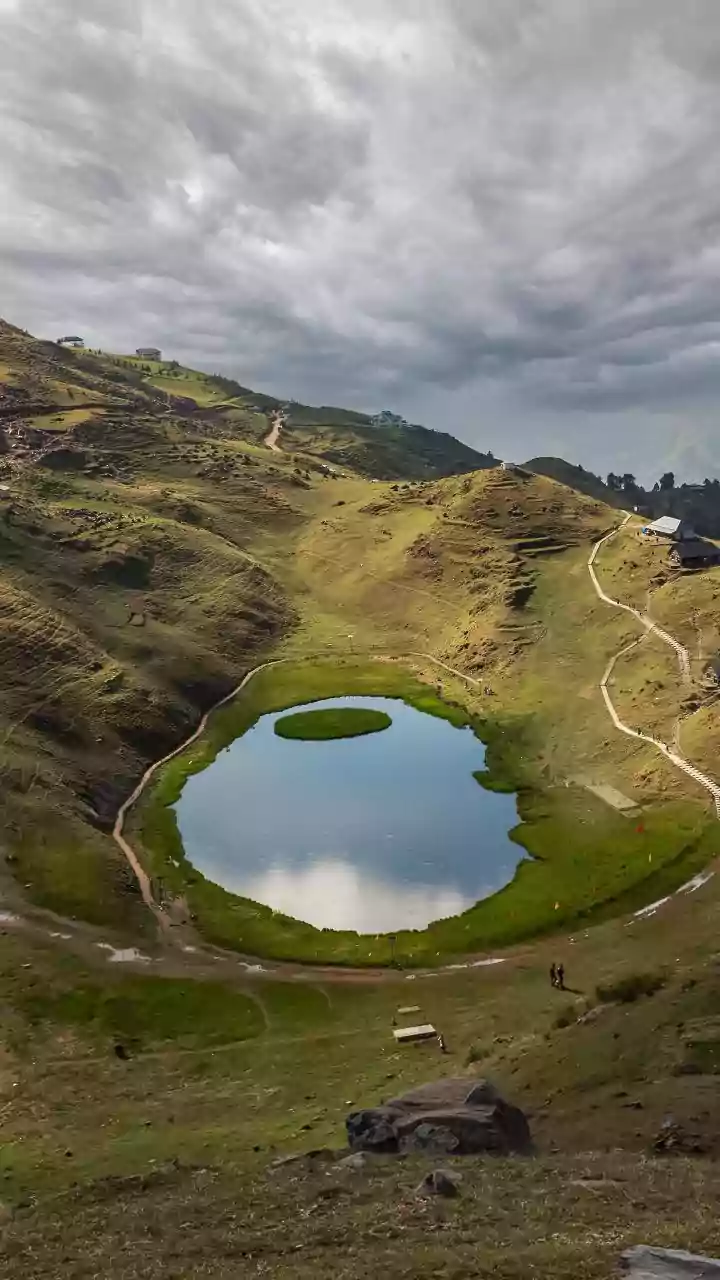





The Allure of a Screen-Free Escape
The endless scroll, the constant ping of notifications, the pressure to be always-on — it’s a reality of modern life that’s leading to widespread burnout. For many young professionals, the idea of a ‘digital detox’ has shifted from a wellness trend to a survival
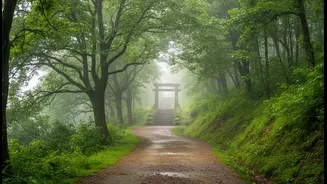
strategy. Studies show the average Indian can spend over seven hours a day on screens, leading to increased stress and poor sleep. Consequently, more travellers are intentionally seeking getaways in places where the Wi-Fi is weak but the connection to the self is strong. This isn’t about punishment; it’s about relief. It’s about swapping the blue light of a phone for the soft light of a sunrise over a misty valley, and finding a stillness that a bustling resort simply cannot offer.
Monsoon: The Season of Renewal
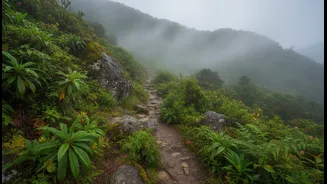
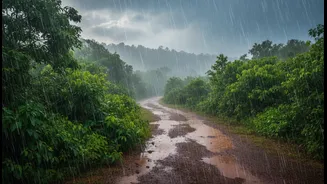
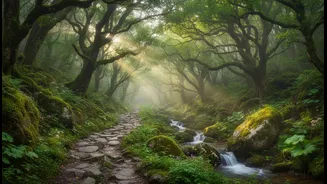
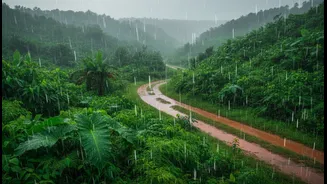
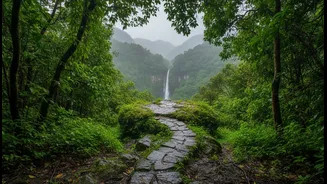
The Indian monsoon is more than just a weather pattern; it's a cultural and emotional event. The season transforms landscapes, turning dry hills into lush, emerald carpets and bringing waterfalls to life. This transformation holds a deep spiritual and symbolic meaning of renewal and cleansing. While conventional tourism often avoids the rains, a new generation is embracing them. They are discovering that the monsoon offers a unique sensory experience: the smell of wet earth, the sound of rain on forest leaves, and the sight of clouds rolling through the valleys. This atmosphere makes it a perfect backdrop for introspection, a journey inward that complements the physical journey along the trail.
Seeking Meaning Over Mementos
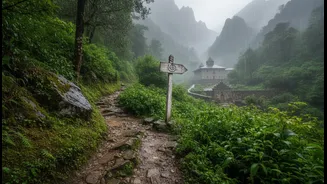
Recent trends show a significant rise in spiritual tourism among younger Indians, with some data suggesting Gen Z accounts for a large portion of visitors to religious sites. However, this is not always about traditional religious piety. For many, it's a search for personal growth, mental peace, and a connection to their heritage. Young travellers are choosing treks that lead to ancient temples like Kedarnath or the Panch Kedar shrines in Uttarakhand, not just for salvation but for silence and reflection. The journey itself—the physical challenge of the trek, the conversations with fellow travellers, the simple, grounding rituals—becomes more important than the destination. This reflects a broader shift in values, where experiences and memories are prized more than material souvenirs.
The Trails That Call
From the Western Ghats to the Himalayas, India offers a multitude of trails that become magical during the monsoon. In Maharashtra, treks through the misty hills of the Sahyadris lead to ancient forts and secluded Shiva temples. In Uttarakhand, the Valley of Flowers trek bursts into a riot of colour, often combined with a pilgrimage to the serene Hemkund Sahib Gurudwara. While some high-altitude Himalayan treks can be risky, many routes, especially in rain-shadow regions like Spiti or through lush valleys like Har Ki Dun, are ideal for monsoon exploration. These paths offer not just natural beauty but a chance to engage with local cultures in remote villages, far from the commercialised tourist circuits. They provide a space where the phone stays in the bag, not out of discipline, but because the world outside is far more compelling.