


The Burnout of 'Seeing It All'
Traditional tourism often feels like a race against time. It’s built around an impressive-looking itinerary that treats a destination as a list of sights to be collected. The result is a blur of early wake-up calls, constant packing and unpacking, and the
low-level stress of always being on the move. A recent survey revealed that half of employees feel drained for at least a week after a vacation, a phenomenon known as travel burnout. This approach, sometimes called 'checklist tourism', prioritises proof of being somewhere over the presence required to truly experience it. We come home with a camera full of photos but a mind short on actual memories, feeling more exhausted than when we left.
The 'Slow Travel' Philosophy
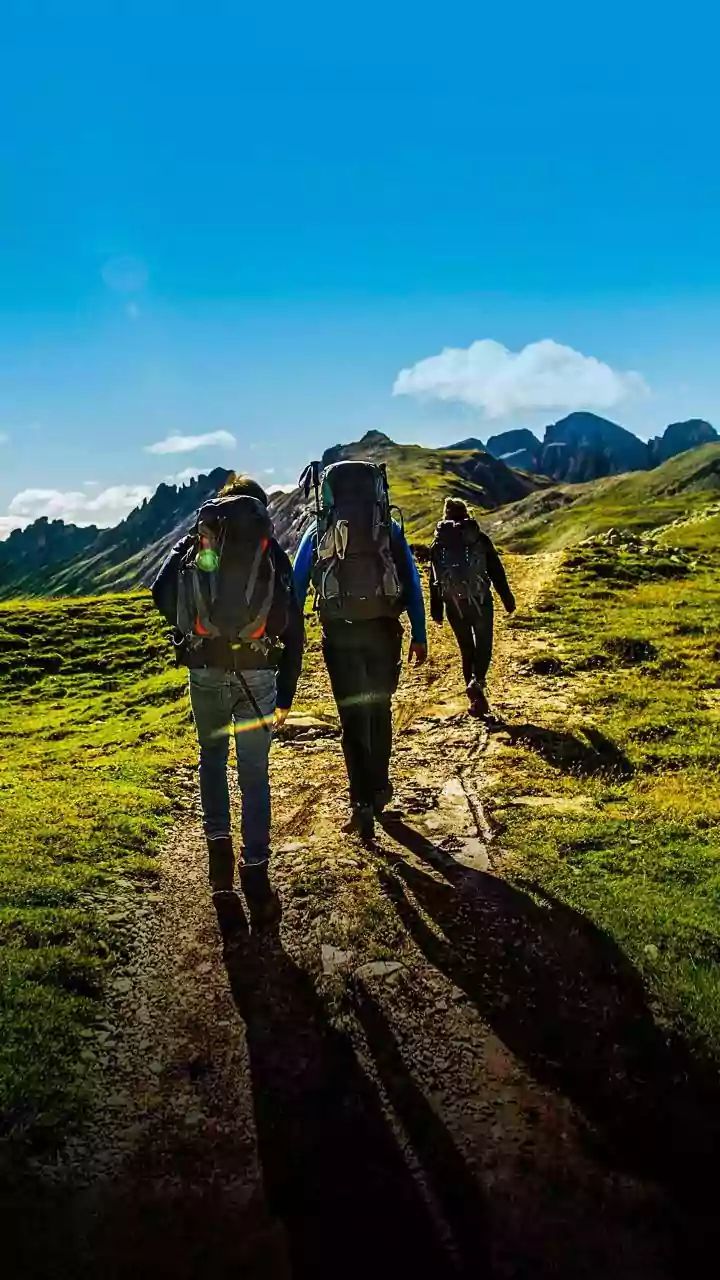
In response to this frantic pace, a different philosophy is gaining ground. Slow travel is a mindset that prioritises depth over breadth. Inspired by the 'Slow Food' movement, which champions local culinary traditions, slow travel encourages you to stay longer in one place rather than hopping between multiple destinations. It’s not about doing nothing; it's about intentionally experiencing a new place mindfully and at a relaxed pace. This might mean spending a full week exploring one neighbourhood, returning to the same café each morning, or learning a few phrases in the local language. The goal is to connect with the rhythm of a place, not just skim its surface.
A Deeper, More Authentic Connection
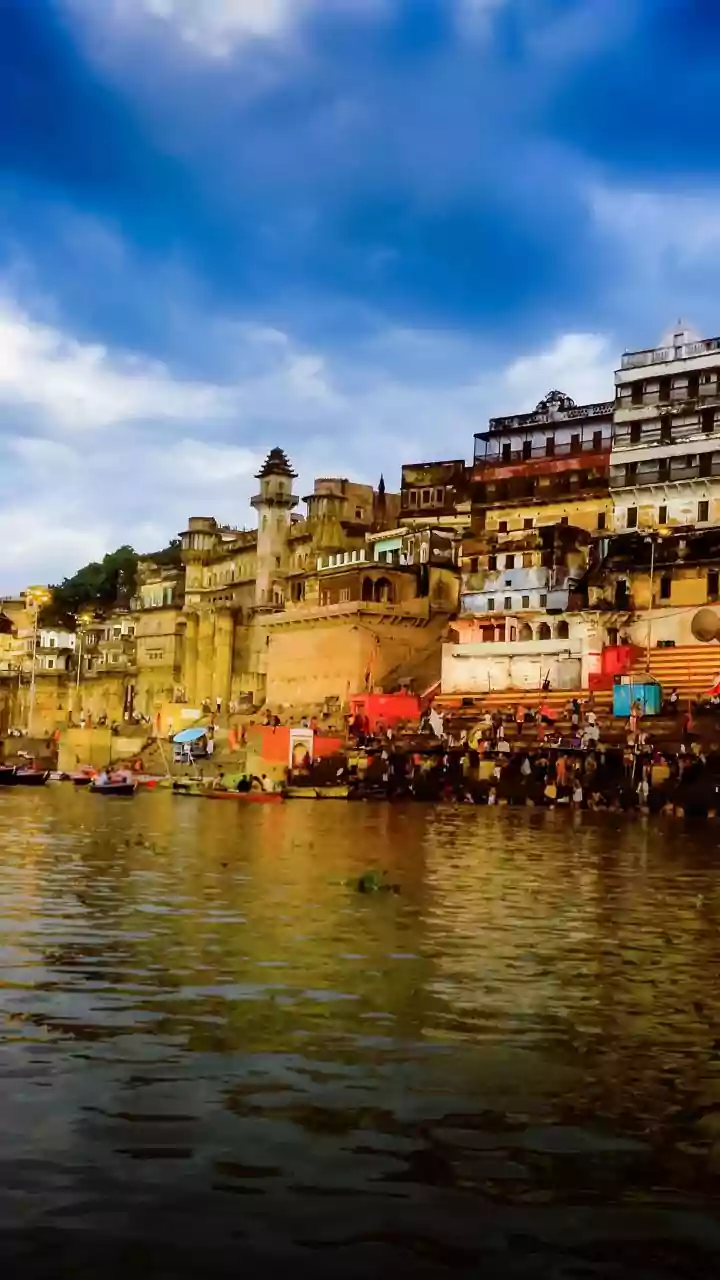
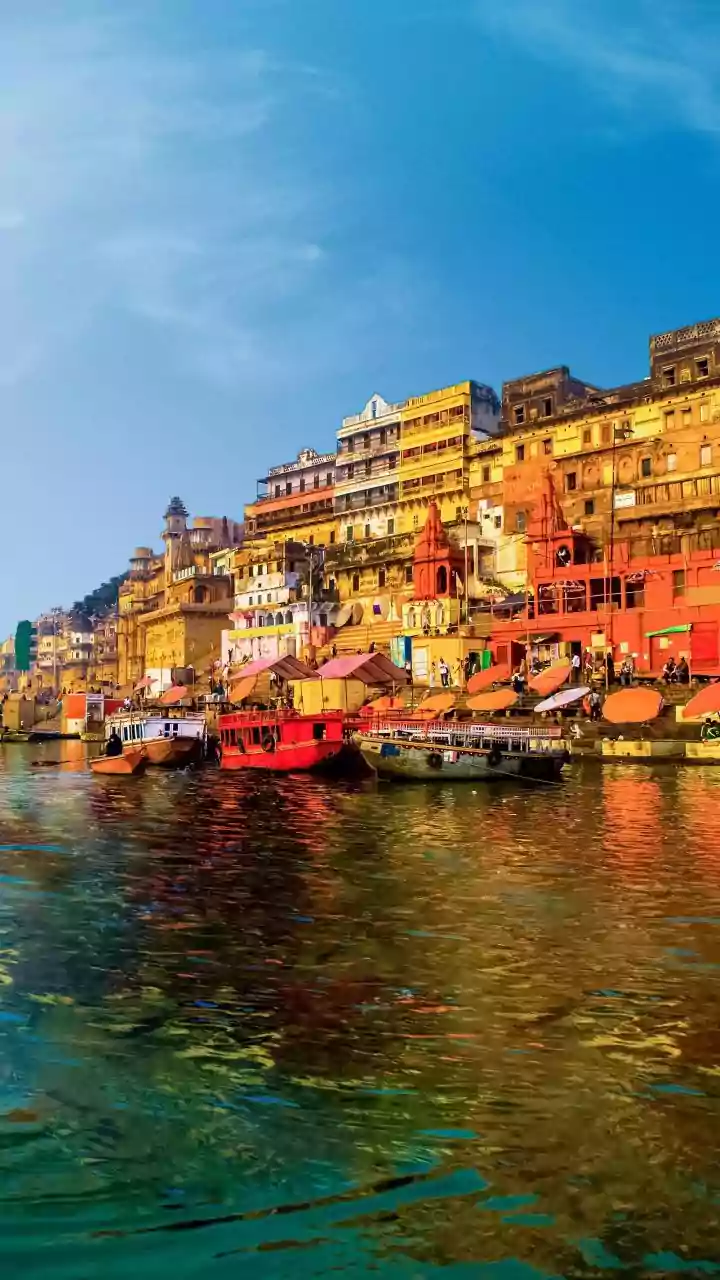
One of the greatest rewards of staying put is the chance for genuine cultural immersion. When you’re not rushing, you have time for the spontaneous interactions that lead to real connection. You can build a rapport with the local shopkeeper, get recommendations from residents, or participate in community events. This approach allows you to see beyond the curated tourist version of a destination and witness the nuances of everyday life. In a country as diverse as India, for example, slowing down reveals the distinct food, architecture, and traditions of each region, an experience often missed in a whirlwind tour of major landmarks.
The Joy of Unplanned Moments
A rigid, minute-by-minute itinerary leaves no room for magic. Slow travel, in contrast, invites spontaneity. When your schedule is flexible, you have the freedom to follow your curiosity. You can spend an entire afternoon in a museum that fascinates you, take an unexpected detour down an interesting lane, or accept a local’s invitation for tea. These unplanned moments often become the most cherished memories of a trip. By viewing your itinerary as a guide rather than a mandate, you allow the destination to reveal itself to you in unexpected and delightful ways, fostering a sense of discovery that rigid plans often stifle.
Better for You, and the Destination
The benefits of slowing down are not just experiential; they are also linked to wellbeing and sustainability. A more relaxed pace reduces the stress and anxiety associated with constant movement, allowing for a more restorative holiday. Studies show that spending unhurried time in new places can improve cognitive flexibility and reduce feelings of burnout. Furthermore, slow travel is often more sustainable. By staying longer, travellers reduce their carbon footprint from frequent transport and are more likely to support small, local businesses rather than just international chains, ensuring their money benefits the community more directly.