





Step 1: Designate Your Drying Zone
The first step is to choose the right location. This doesn't have to be a whole room; a well-chosen corner will suffice. Ideal spots are areas with good ventilation, like a covered balcony, a utility area, or a bathroom with an exhaust fan. The key is to pick
a low-traffic area to avoid knocking over racks or tripping on wet shoes. Keep the zone away from walls to prevent moisture from seeping in and causing mould. If you have to use a corner of a bedroom or living room, ensure there's enough space for air to circulate freely around your drying setup.
Step 2: Equip Your Zone with the Right Tools
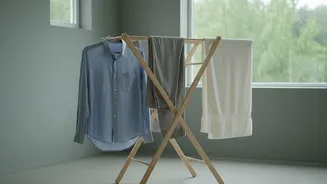
Your drying zone is only as good as its equipment. Start with a good quality clothes drying rack. Stainless steel, floor-standing winged racks are a versatile choice for most Indian flats as they resist rust, hold a full wash load, and can be moved around. For smaller apartments, wall-mounted or ceiling-pulley racks are excellent space-savers. The most crucial addition for high-humidity areas is a dehumidifier. This appliance is a game-changer, as it actively pulls moisture from the air, drastically cutting down drying time and preventing the dreaded musty smell. Even a simple pedestal or ceiling fan pointed at the clothes can significantly improve air circulation and speed up evaporation.
Step 3: Master the Art of Laundry Management
How you handle your laundry makes a huge difference. If you use a washing machine, give your clothes an extra spin cycle to remove as much water as possible before hanging them. When placing clothes on the rack, space them out. Avoid overcrowding, as items touching each other will trap moisture and take forever to dry. Using hangers for shirts and kurtas helps them keep their shape and allows air to flow through more effectively. To combat the musty odour that comes from slow drying, you can add half a cup of white vinegar or baking soda to your rinse cycle. These natural solutions help neutralize odour-causing bacteria without leaving a scent.
Step 4: Tame the Drips and Puddles
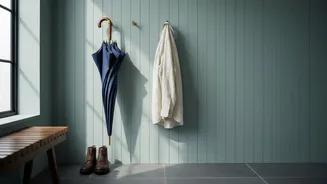
A drying zone isn't just for clothes. It’s for everything the monsoon throws at you. Place a deep bucket or a tall umbrella stand right at the entrance to corral dripping umbrellas. For raincoats and wet jackets, install a few sturdy hooks in your drying zone where they can drip freely without making a mess. The biggest challenge is often soggy shoes. Never use direct heat like a hairdryer, as it can damage the glue and materials. Instead, the best method is to stuff them with crumpled newspaper, which absorbs moisture effectively. Change the newspaper every few hours until the shoes are dry. Placing them near the fan or dehumidifier will speed up the process even more.
Step 5: Prevent Mould and Maintain Freshness
High indoor humidity is the perfect breeding ground for mould and mildew. Beyond just drying clothes, your zone should help maintain a healthy indoor environment. Regularly wipe down the floor and walls of your drying zone to prevent any fungal growth. Keep the doors of your wardrobes slightly ajar on dry days to allow air to circulate and prevent clothes from getting a musty smell. You can also place moisture absorbers, like silica gel packets or even a small bowl of uncooked rice, in your cupboards and shoe racks to absorb excess humidity. A well-managed drying zone not only keeps your clothes fresh but also protects your home and health.