
The Search for an Authentic Escape
After years of checklist tourism—hopping from one monument to the next—the modern Indian traveller is seeking a different kind of fulfilment. The desire for a digital detox, a break from urban hustle, and a genuine connection to culture is driving people
away from conventional tourist traps. This shift has been accelerated by a newfound appreciation for slower, more immersive journeys. Instead of just seeing a place, people want to experience it. They want to wake up to the sounds of nature, eat food made from fresh local ingredients, and interact with the communities that call these places home. This search for authenticity is leading them to India's vast and diverse rural landscapes.
What Rural Tourism Actually Means
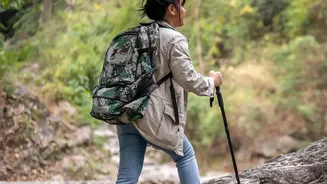
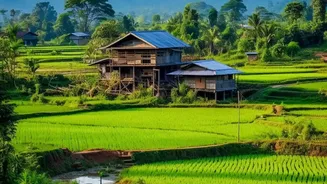
Rural tourism is much more than just a trip to a village. It is an interactive and participatory experience. Think less of a sightseeing tour and more of a cultural immersion. It can take many forms, including agritourism, where visitors stay on farms and participate in agricultural activities like milking cows or harvesting crops. It can mean staying in a family-run homestay, sharing meals, and learning about local traditions firsthand. Other popular activities include attending local festivals, taking workshops in traditional crafts like pottery or weaving, and exploring the natural surroundings through treks and nature walks. The common thread is a direct, personal experience that goes beyond what a standard hotel holiday can offer.
Empowering Communities and Preserving Heritage
This trend isn't just benefiting travellers; it's a powerful force for good in rural India. By bringing income directly to villagers, rural tourism creates jobs, empowers women and youth, and helps reduce migration to cities. It provides a financial incentive for communities to preserve their unique culture, heritage, and traditional knowledge. When a local craft or style of cooking becomes an attraction, it gains value and is more likely to be passed down through generations. Recognizing this potential, both central and state governments have launched initiatives to support this sector. The Ministry of Tourism has a national strategy for developing rural tourism, including schemes to help set up homestays in tribal and border villages, improving infrastructure and providing training to local entrepreneurs.
From Himalayan Homestays to Backwater Bliss
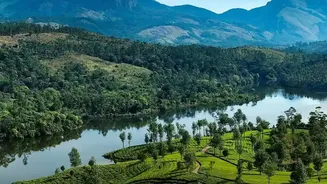
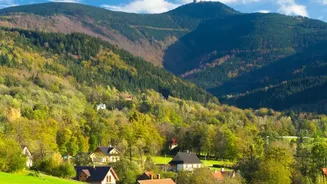
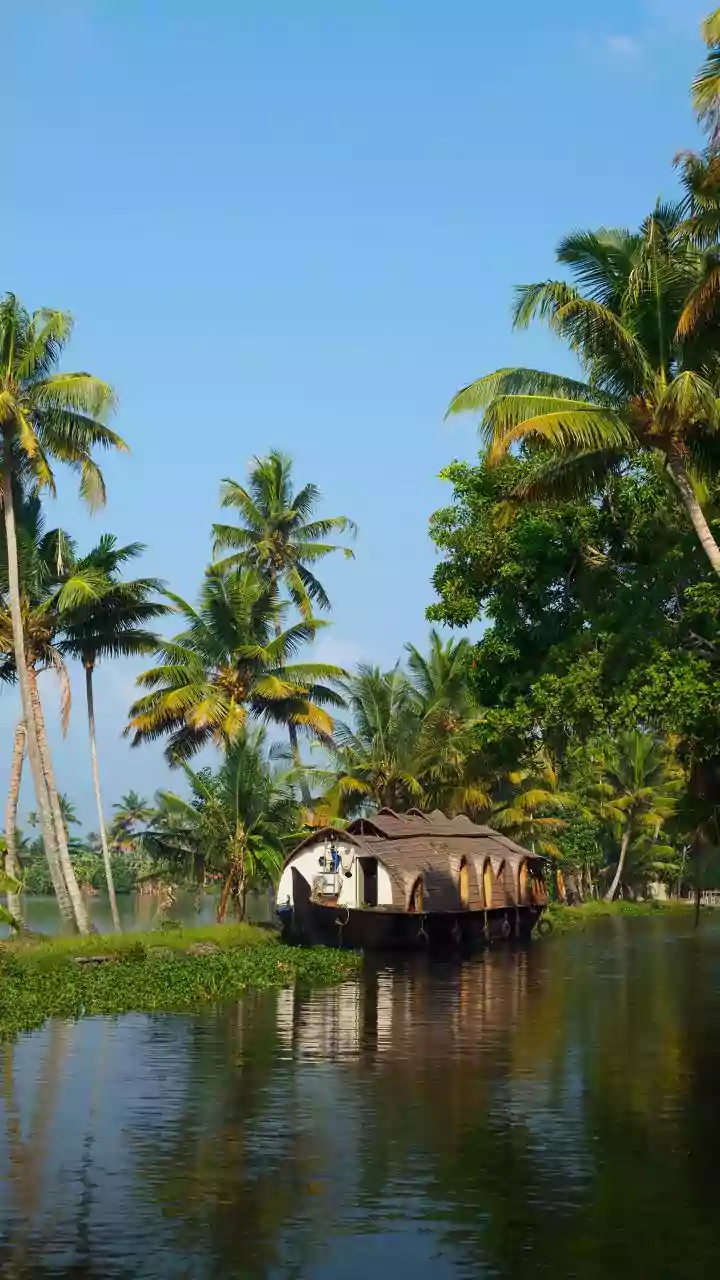
Across India, unique rural experiences are blossoming. In Meghalaya, villages like Mawlynnong, known as 'Asia's Cleanest Village', offer a look into community-driven eco-consciousness, complete with living root bridges. In states like Uttarakhand and Himachal Pradesh, homestays in villages like Pangot offer tranquil retreats for birdwatchers and nature lovers. Down south, the backwaters of Kerala provide a different flavour of rural life, with stays in villages like Kumbalangi, India's first model ecotourism village, where you can watch fishermen at work and enjoy fresh seafood. In Rajasthan, you can stay in heritage properties in villages like Khimsar and experience desert life, while states like Sikkim are promoting adventure activities to draw visitors into remote areas.
The Road Ahead for Rural Travel
The future of rural tourism in India looks bright. Recent reports highlight it as a key growth area for the entire tourism sector. The homestay market, in particular, has seen massive growth, far outpacing traditional hotels, with a reported 85% increase in 2022 alone. However, challenges remain. Ensuring sustainable development, improving last-mile connectivity, and standardizing quality without losing authenticity are crucial steps. The key will be to manage growth responsibly, ensuring that the very culture and tranquillity that travellers seek are preserved. Digital platforms are playing a vital role in connecting hosts with guests, making it easier than ever for travellers to discover and book these unique stays.