



An Ocean Warmed by Gravity
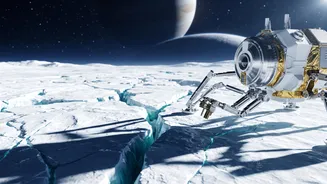
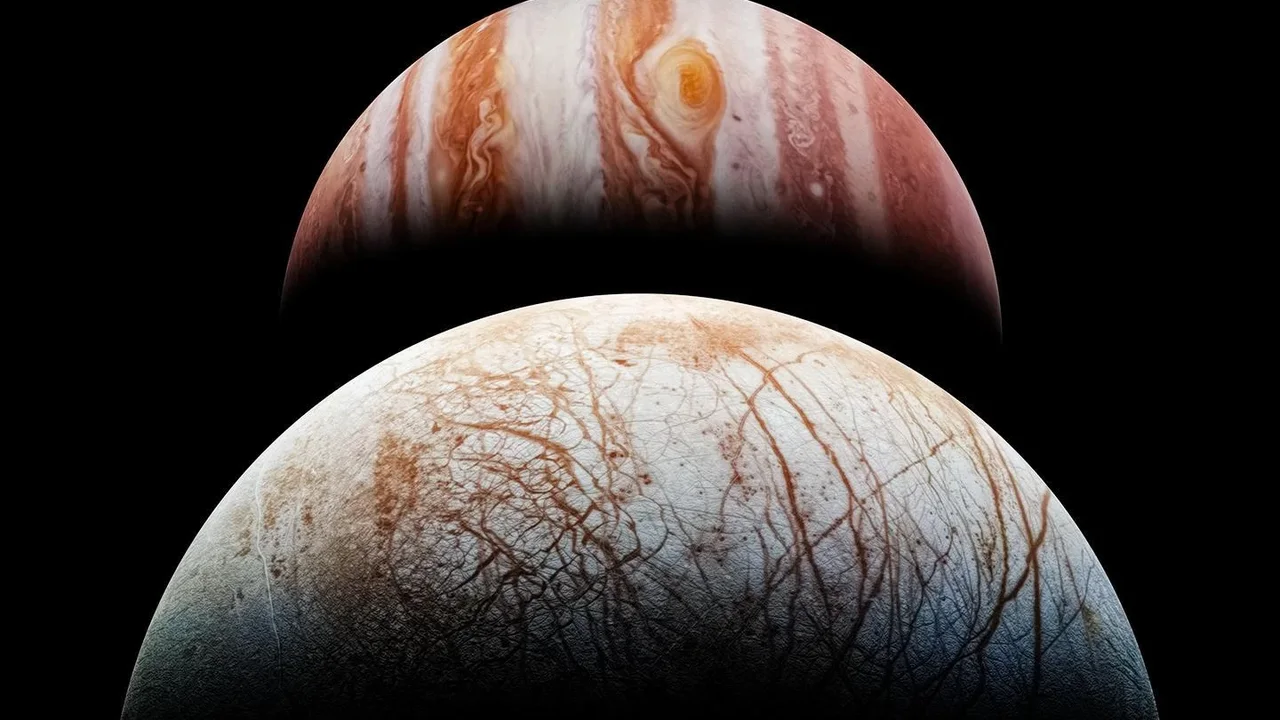
Europa is far from the sun, so its warmth doesn't come from sunlight. Instead, it comes from a process called tidal heating. As Europa orbits the gas giant Jupiter, the immense gravitational pull stretches and flexes the moon's interior. This constant
friction generates enough heat to keep the ocean beneath its 15- to 25-kilometre-thick ice shell in a liquid state. This internal energy is the first crucial ingredient that makes Europa one of the most compelling places to search for extraterrestrial life in our solar system.
Earth's Deep Oceans as a Blueprint
To understand why a dark, cold ocean floor could host life, we only need to look at Earth. In the deepest parts of our own oceans, far from the reach of sunlight, life thrives around hydrothermal vents. These are fissures in the seabed where geothermally heated water erupts, carrying with it a cocktail of minerals and chemicals from the planet's interior. Instead of photosynthesis, which uses sunlight for energy, microorganisms at these depths use chemosynthesis—a process that derives energy from chemical reactions. These microbes form the base of a unique food chain, supporting complex ecosystems of shrimp, clams, and giant tube worms in total darkness.
The Search for Vents on Europa
Scientists theorise that a similar process could be happening on Europa. The tidal flexing that warms the ocean might also create enough energy to drive geological activity on the seafloor, potentially resulting in hydrothermal vents. If water seeps into Europa's rocky core, gets heated, and is then expelled back into the ocean, it would carry chemical nutrients. These nutrients could serve as the fuel for chemosynthetic life, just as they do on Earth. The presence of a rocky seafloor and a source of internal heat makes the existence of these vents a plausible and exciting possibility.
A Debate Among Scientists
However, the existence of an active seafloor on Europa is not a certainty. Some recent studies, using computer models, suggest that Europa's interior may not be active enough to support widespread volcanic or tectonic activity. Research published in early 2026 indicates that the moon's seafloor could be calm and cold, lacking the energy needed to power a robust ecosystem. This doesn't rule out life, but it suggests that the energy sources might be weaker or more sporadic than those in Earth's oceans. Other theories propose that life-sustaining chemistry could be generated by radiation from Jupiter interacting with Europa's surface ice, with the resulting compounds eventually mixing into the ocean below.
The Mission to Find Answers
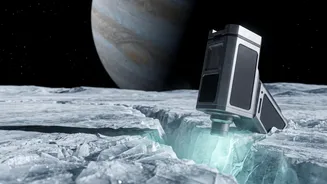
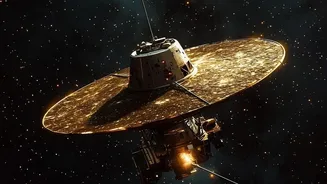
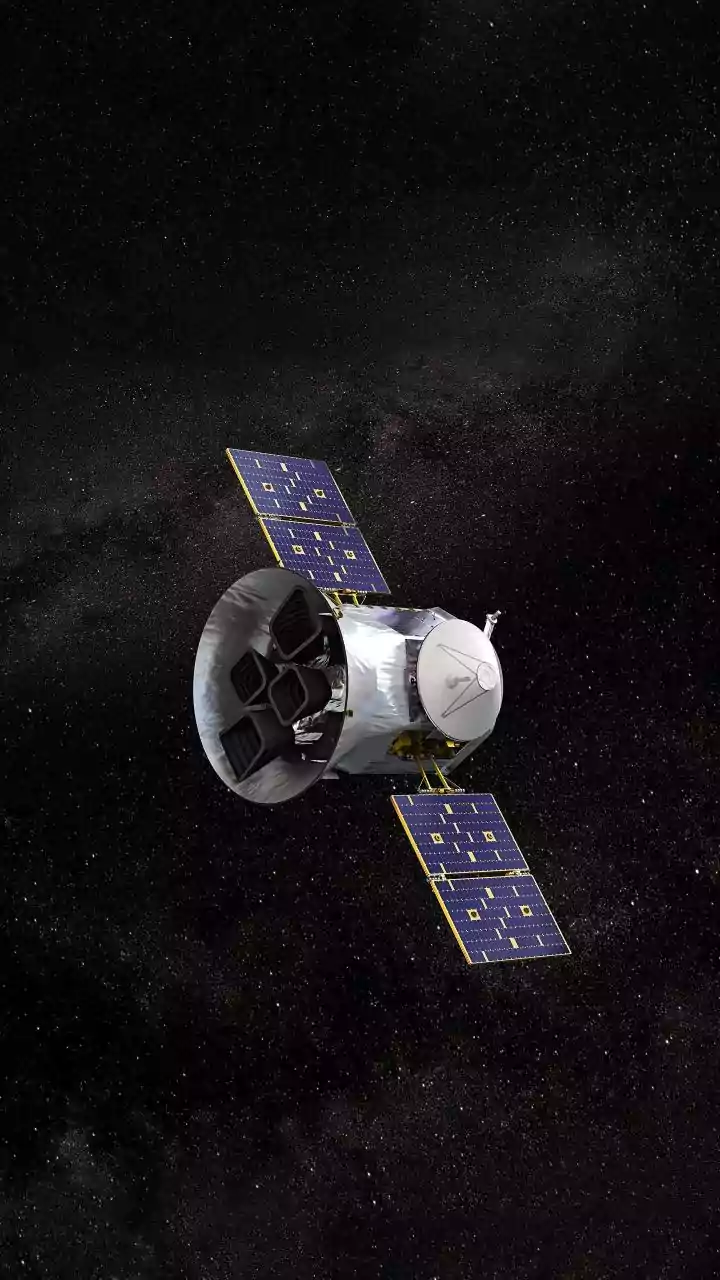
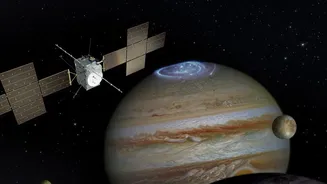
The only way to know for sure is to go there. NASA's Europa Clipper mission, which launched in October 2024, is currently on its way to the Jupiter system and is expected to arrive in April 2030. While it is not a life-detection mission, its primary goal is to determine if Europa has conditions suitable for life. The spacecraft will perform dozens of close flybys, using instruments like ice-penetrating radar and spectrometers to measure the ice shell's thickness, analyze the ocean's properties, and search for any plumes of water vapor that might be erupting into space. These plumes could offer a direct sample of the ocean's chemistry without the need to drill through miles of ice.