




Your First Line of Defence: The Right Bag
Your battle against moisture begins with your choice of luggage. While no bag is fully submersible, some offer far better protection than others. Hard-shell suitcases, typically made from polycarbonate or polypropylene, are naturally water-resistant.
Rain simply rolls off the surface, unlike fabric bags which can absorb water. If you prefer a soft-shell bag or backpack, look for one made from water-resistant synthetic fabrics like nylon or polyester with a DWR (durable water repellent) coating. Pay close attention to the zippers; many hard-shell cases feature sealed or rubberised zippers that prevent water from seeping through the teeth, a common weak point in fabric luggage.
Internal Security: The Power of Compartments
Think of the inside of your suitcase as a system of defences. The goal is to isolate potential messes and create barriers against external moisture. Packing cubes are a traveller's best friend; they not only keep you organised but also provide an extra layer of fabric protection. For a more robust solution, use dry bags—the kind hikers and kayakers use—for clothes and electronics. These are designed to be completely waterproof. On a budget, simple zip-top plastic bags or even clean garbage bags can be incredibly effective. Create a rule: anything that can leak (toiletries) or anything you cannot afford to get wet (electronics, documents, a special outfit) gets its own sealed bag. This 'double bagging' technique provides excellent peace of mind.
The Art of Layering and Placement
How you arrange items inside your bag matters. Place your heaviest items, like shoes or a toiletry kit, near the base of the suitcase by the wheels. This improves stability and prevents your bag from tipping over into a puddle. A clever trick is to use a waterproof jacket or a folded raincoat as a final layer on top of everything before you zip up, tucking it into the sides. This acts as an internal rain cover. When packing toiletries, try to place them in the centre of your suitcase, cushioned by soft clothes. This padding helps absorb shocks and pressure that might cause bottles to crack or leak.
Protecting Your Liquids From Themselves
Moisture threats can come from within. To prevent your shampoo from decorating your favourite shirt, take a few extra seconds of precaution. Before packing any bottle, squeeze out the excess air before closing the lid. Changes in pressure and temperature during travel can cause the air inside to expand, forcing liquid out. For screw-top bottles, place a small piece of plastic wrap over the opening before twisting the cap on for a tighter seal. And always, always pack your liquids inside a dedicated, sealed toiletry bag—preferably one with a waterproof lining.
The Wet Weather Emergency Kit
Preparation is about having a plan for when things go wrong. Keep a small, accessible kit ready for moisture-related mishaps. This could include a few extra zip-top bags of various sizes, a small, super-absorbent microfiber towel, and some paper towels or wipes for quick cleanups. Another pro-tip for humid destinations is to pack a few silica gel packets (the little packets that come in new shoe boxes) and toss them into your luggage. They absorb ambient moisture and can help prevent that musty, damp smell from developing in your clothes.
Strategic Car Loading
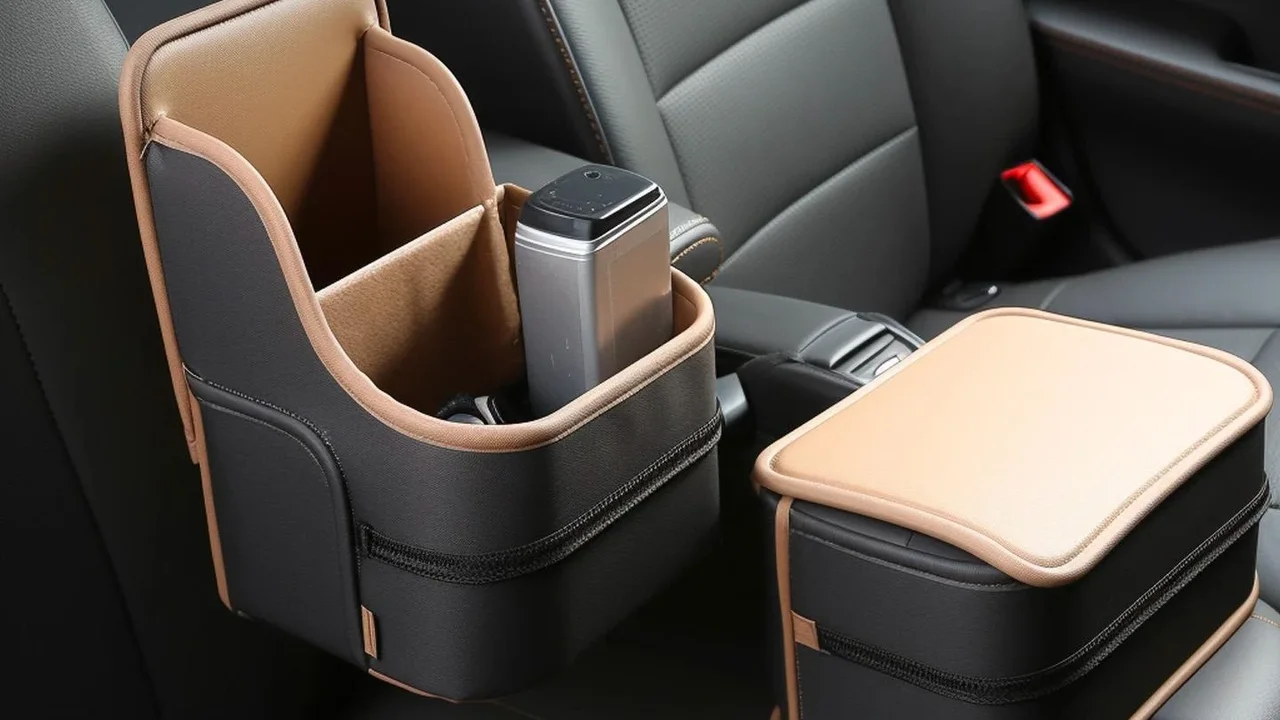
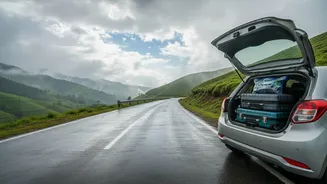
Finally, think about the journey itself. When loading your car, try to place your luggage away from the boot's opening if possible. Every time you open it in the rain to grab something, the bags closest to the edge get the most exposure. If you have to stack bags, place the most water-resistant ones (like hard-shell cases) in the most vulnerable positions. Keep a large, folded plastic sheet or a tarpaulin in your car; you can quickly throw it over your luggage before opening the boot during a downpour for an extra shield.