





The Great Millet Revival
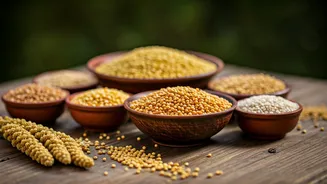
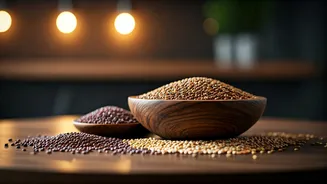
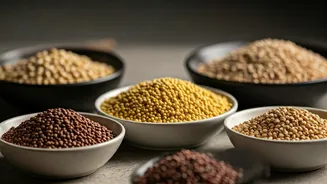
For generations, millets like jowar, bajra, and ragi were the humble backbone of the Indian diet. These hardy, drought-resistant grains were staple foods, forming the base of everything from rustic rotis to nourishing porridges. Somewhere along the way,
polished rice and refined wheat took centre stage, pushing millets into the background, often dismissed as 'coarse' or 'village' food. But now, the tables have turned. Driven by a global wellness wave and a renewed appreciation for indigenous foods, millets are experiencing a massive resurgence. Recognised for being naturally gluten-free, rich in fibre, and packed with essential minerals, they are rightfully reclaiming their spot in the modern Indian kitchen. This isn't just a trend; it's a homecoming.
Beyond Roti and Khichdi
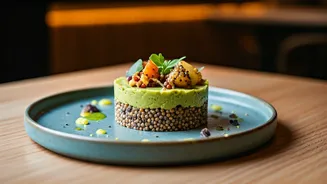
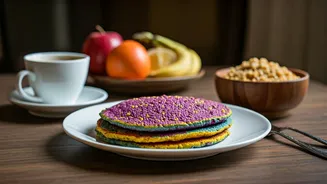
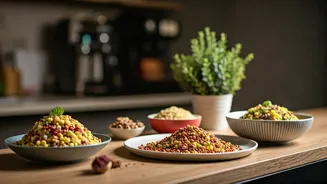
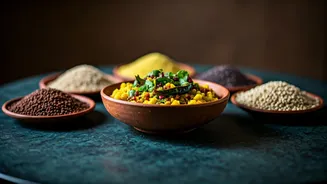
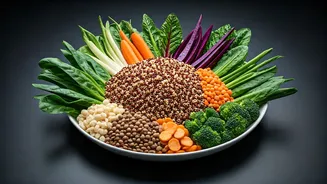
If your only experience with millets is a dry bajra roti or a simple ragi porridge, it's time for a reintroduction. The new millet movement is all about creativity and versatility. Chefs and home cooks are discovering that these grains have a wonderful, nutty flavour and a delightful texture that can range from fluffy to chewy, depending on how you cook them. They are a fantastic canvas for other flavours, absorbing spices and sauces beautifully without becoming mushy. The modern 'bowl' meal concept is the perfect stage for millets to shine. They can be transformed into vibrant salads, hearty pulaos, flavourful upmas, and even creamy risotto-style dishes, moving far beyond their traditional, flatter formats.
Mastering the Perfect Millet Base
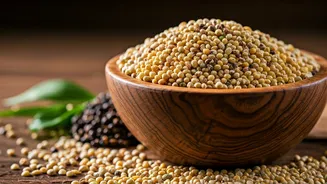
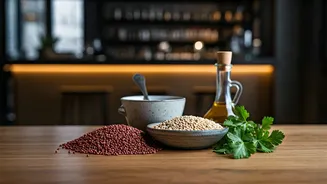
The key to delicious millet dishes lies in the prep. A common mistake is to cook them like rice, which can sometimes result in a clumpy or pasty texture. To unlock their best qualities, a few simple steps make all the difference. First, always rinse your millets thoroughly under running water to remove any dust or bitter saponins present on the outer layer. For fluffier grains, soaking is your best friend. Soaking millets like foxtail or kodo for at least 30 minutes (or even a few hours) before cooking helps them cook more evenly and improves their texture. A general rule for cooking is a 1:2 ratio of millet to water, but this can vary slightly by millet type. Toasting the grains in a dry pan for a few minutes before adding water can also deepen their nutty flavour.
The Magic of Masala
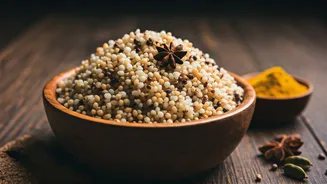
This is where the 'desi warmth' truly comes alive. Millets have an earthy profile that pairs exceptionally well with the complexity of Indian spices. Think beyond just salt and turmeric. A fragrant tadka of mustard seeds, cumin, curry leaves, and a pinch of asafoetida (hing) can instantly elevate a simple bowl of cooked millet. Don't be afraid to experiment with your favourite spice blends. A spoonful of pav bhaji masala or sambar powder stirred into a millet and vegetable stir-fry adds an instant flavour bomb. For a biryani-style dish, layer cooked millet with vegetables sautéed in whole spices like cinnamon, cloves, and cardamom. The grains act as a perfect vehicle, soaking up all that aromatic goodness.
Inspiration for Your Bowl
Ready to get started? Think of millet as a swap for rice or quinoa in your favourite dishes. Make a zesty lemon millet by adding lemon juice, roasted peanuts, and a fresh tadka to cooked foxtail millet. Create a hearty breakfast upma with ragi or bajra, packed with vegetables. For a satisfying lunch, toss cooked kodo millet with chopped cucumber, tomatoes, onions, and a tangy chaat masala dressing for a refreshing salad. You can also craft a one-pot pulao with jowar, mixed vegetables, and biryani masala for a comforting weeknight dinner. The possibilities are endless, allowing you to enjoy the nostalgic flavours of home in a new, nutrient-dense format.