





Why Go Vertical on Your Balcony?
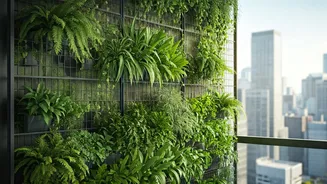
In cities like Mumbai, Bengaluru, or Delhi, space is the ultimate luxury. A traditional garden is a distant dream for most apartment dwellers, but that doesn't mean you can't have your own slice of nature. A vertical garden grid allows you to use wall
space, which is often ignored, to create a stunning living feature. It maximises your growing area without sacrificing precious floor space. Beyond aesthetics, a green wall can act as a natural air purifier, reduce ambient noise, and even cool down your balcony space. It’s a smart, efficient way to bring plants into your life, improve your home’s ambience, and boost your own well-being.
Choosing the Right Grid System
The foundation of your vertical garden is the grid. There are several options available in the Indian market, each with its own pros and cons. * **Metal Trellis/Grids:** These are simple, affordable, and durable. You can mount a metal mesh grid to your wall and let climbing plants like Money Plant (Pothos) or certain varieties of Philodendron weave their way through it. They are best for a minimalist look. * **Modular Panel Systems:** These consist of individual panels with slots for pots or planting cells. They allow for more creativity in your design and make it easy to swap out plants. They are great for creating a dense, 'living wall' effect. * **Felt Pocket Planters:** These are fabric sheets with sewn-in pockets for soil and plants. They are lightweight and easy to install, but can require more frequent watering as the felt dries out faster. They are an excellent starting point if you're on a budget or want a less permanent solution.
Picking the Perfect Low-Maintenance Plants
The key to a 'low-maintenance' garden is choosing plants that thrive with minimal fuss. For Indian balconies, you need plants that can handle our specific climate conditions—be it intense sun, heavy monsoon, or dry heat. Here are some reliable choices: * **For Sunny Balconies:** Succulents like Sedum and certain Echeveria varieties, Portulaca (Moss Rose), and hardy herbs like Rosemary and Curry Leaves. * **For Shaded or Semi-Shaded Balconies:** This is where you have the most options. Money Plant (Epipremnum aureum), Spider Plant (Chlorophytum comosum), Snake Plant (Dracaena trifasciata), and most Philodendrons are nearly indestructible. They tolerate a bit of neglect and don't need direct sunlight. * **For Edibles:** Mint (Pudina), Basil (Tulsi), and Spinach (Palak) can do well in pots on a vertical grid, provided they get a few hours of sun. They grow quickly and are perfect for adding to your daily cooking.
The Secret: Soil and Watering
Low-maintenance doesn't mean 'no-maintenance'. The trick is to set up a system that works for you. Start with the right soil mix. Instead of using heavy garden soil, opt for a lighter mix of coco peat, compost, and perlite. This blend holds moisture well without becoming waterlogged, which is crucial for potted plants. Coco peat is especially effective at retaining water, reducing the frequency you need to water. For a truly hands-off approach, consider installing a simple drip irrigation system. You can buy ready-made kits online that connect to a tap and have small emitters for each plant. Setting it on a timer means your garden gets watered automatically, even when you're busy or away for a weekend.
Simple Steps for Installation
Before you begin, check your balcony wall. Is it a solid brick wall or a partition? This determines how you will mount your grid. Always use appropriate screws and wall plugs (rawl plugs) for a secure fit, especially considering the weight of the grid, soil, plants, and water. Make sure your grid is level. Once the grid is securely mounted, you can start adding your pots or planting directly into the pockets. Arrange the plants with an eye for design—place trailing plants at the top so they can cascade down, and bushier plants in the middle. Ensure there's a plan for drainage. Most pots have drainage holes, but you need to consider where the excess water will go to avoid creating a mess on your balcony floor or for your downstairs neighbour.