





The Core Idea: Quality Over Quantity
For years, the wellness world has told us to prioritise protein for building muscle and staying full. Now, a growing body of research, including a recent major review of over 350 studies, suggests that restricting protein intake might activate pathways
associated with longevity and improved metabolic health. Scientists have long known that calorie restriction can extend lifespan in various organisms, from yeast to mice. However, sticking to a low-calorie diet is difficult. Protein restriction is emerging as a compelling alternative, potentially offering similar benefits without the constant hunger. The theory is that reducing protein, or even specific amino acids, shifts our cells from a constant 'grow' mode to a 'repair and maintain' state, a process that could slow down key aspects of ageing.
Decoding the Science of Longevity
The link between protein and ageing appears to revolve around a few key biological pathways. One of the main players is a cellular nutrient sensor called mTOR (mechanistic target of rapamycin). When you eat a lot of protein, mTOR activity goes up, signalling your cells to grow and build. While this is crucial for things like muscle repair after exercise, chronically high mTOR activation is linked to accelerated ageing. Restricting protein intake dampens the mTOR signal. This, in turn, promotes a critical cellular cleanup process called autophagy, where cells recycle old, damaged parts, helping to keep them functioning efficiently for longer. Another key pathway involves insulin-like growth factor 1 (IGF-1), a hormone that, like mTOR, promotes growth. Lower protein intake has been shown to reduce IGF-1 levels, a trait associated with extended lifespan in multiple studies.
The Evidence: From Mice to Humans
Much of the most dramatic evidence comes from animal studies. In experiments, restricting protein or just a single essential amino acid called methionine has been shown to extend the lifespan of flies, worms, and rodents, sometimes significantly. These animal models also show improvements in health markers, such as reduced frailty, better metabolic health, and lower incidence of age-related diseases. However, humans are not mice. While some short-term human trials have shown that reducing protein intake can lead to weight loss, lower body fat, and improved blood sugar control, there is no direct evidence yet that it extends human lifespan. Observational studies of long-lived populations, like those in the 'Blue Zones', often show diets that are predominantly plant-based and naturally lower in total protein compared to typical Western diets.
The Other Side: Why We Still Need Protein
Before you clear your pantry of all protein sources, it's crucial to understand the risks of cutting back too much. Protein is essential for countless bodily functions, especially as we age. One of the biggest concerns is sarcopenia, the age-related loss of muscle mass and strength, which affects a significant portion of adults over 50. Insufficient protein intake can accelerate this process, leading to weakness, reduced mobility, and a higher risk of falls and fractures. Protein is also vital for immune function, wound healing, and producing hormones and enzymes. Signs of protein deficiency can include fatigue, brittle hair and nails, and swelling. This is why many experts argue that older adults, in particular, may need more protein, not less, to maintain their strength and independence.
Finding a Balanced Approach
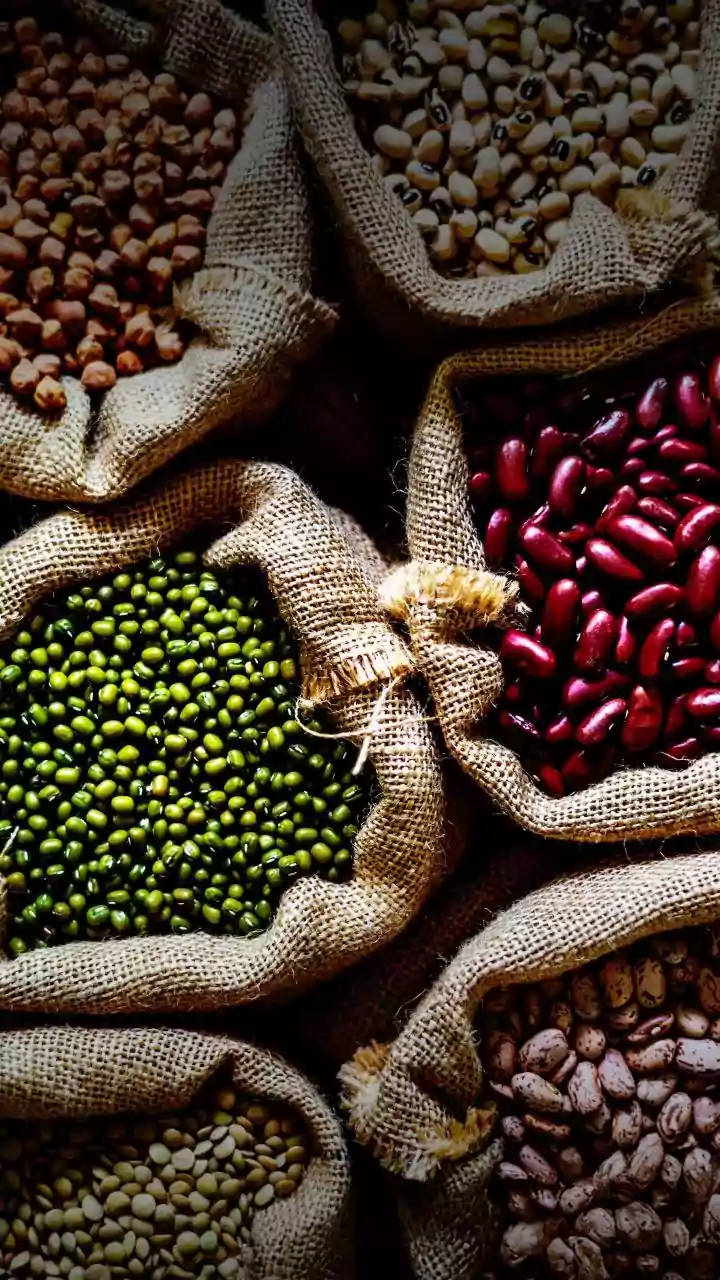
The emerging research doesn't suggest a one-size-fits-all prescription to drastically cut protein. Instead, it highlights nuance. The ideal amount of protein likely depends on your age, health status, and activity level. For sedentary individuals, who make up a large portion of the population, current intake levels may be higher than necessary. The type of protein also seems to matter. Many studies suggest that plant-based proteins, found in beans, lentils, and nuts, may not carry the same risks associated with high intakes of animal protein, particularly red meat. Some researchers are also exploring strategies like protein cycling or focusing on restricting specific amino acids, like methionine, which is more abundant in animal products. This allows for the benefits of restriction without the full-time risks.