

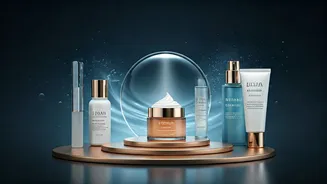



The Glow-Up, Redefined
For years, achieving glass skin, a trend popularised by K-beauty, felt like a complex ritual involving dozens of products layered meticulously. The goal was a complexion so hydrated and poreless it looked like glass. But in 2026, the trend has evolved.
It's less about creating a superficial, wet-looking shine and more about cultivating a deep, lasting glow that comes from genuinely healthy skin. This new philosophy, sometimes called 'Glass Skin 2.0' or 'Cloudglow', prioritises skin resilience and health over a temporary cosmetic effect. The focus is no longer on what you put on your skin, but on how your skin actually functions.
The Backlash Against 'More'
The shift away from heavy routines isn't just a trend; it's a reaction. Many who adopted complex, multi-step regimens found themselves facing irritation, sensitivity, and breakouts. The very routines that promised perfect skin were often overwhelming it, leading to a compromised skin barrier. This phenomenon, known as 'cosmetic overload', can weaken the skin's natural defences. 'Skinimalism' has emerged as the antidote, championing a minimalist approach with fewer, more effective products. It's about rejecting the pressure to do more and instead, listening to what your skin truly needs.
Meet Your Skin's Protective Shield
So, what is this all-important skin barrier? Think of it as your skin's first line of defence. Scientifically known as the stratum corneum, it's the outermost layer of your skin, made of tough skin cells (the 'bricks') held together by lipids like ceramides, cholesterol, and fatty acids (the 'mortar'). This barrier has two main jobs: keeping moisture in to stay hydrated, and keeping harmful pollutants, bacteria, and irritants out. When it's damaged, you might experience symptoms like dryness, redness, itchiness, sensitivity, and even acne.
The Heroes of Barrier Repair
Strengthening your skin barrier doesn't require a total overhaul, just the right ingredients. Ceramides are the stars, acting as the building blocks that rebuild the barrier's structure. Niacinamide (Vitamin B3) is another hero, as it helps your skin produce its own ceramides, strengthening it from within. Hyaluronic acid and glycerin are powerful humectants that draw moisture into the skin, keeping it plump and hydrated. Finally, ingredients like fatty acids and squalane help replenish the skin's natural oils and seal in moisture, completing the repair process.
Building a Barrier-Friendly Routine
Embracing barrier care means simplifying your routine to a few essential, gentle steps. Start with a mild, pH-balanced cleanser that doesn't leave your skin feeling tight or stripped. Follow up with a hydrating serum containing ingredients like niacinamide or hyaluronic acid. The most crucial step is a moisturiser rich in ceramides and fatty acids to lock everything in and support repair. And finally, the non-negotiable step for any routine is applying a broad-spectrum sunscreen every morning to protect your skin and all your hard work from UV damage. The key is consistency and avoiding harsh scrubs or over-exfoliating, which can set your progress back.