
The Challenge with Lithium-Ion
For years, the electric vehicle revolution has been powered by lithium-ion batteries. From smartphones to high-performance electric cars, this technology has been the undisputed king. However, it comes with significant drawbacks that have kept entry-level
EV prices stubbornly high. Lithium is a relatively rare resource, with mining and processing concentrated in just a few countries. This creates supply chain vulnerabilities and price volatility. The high cost of lithium, along with other materials like cobalt, is a major factor in the final price of an electric scooter, often accounting for 40-50% of the total manufacturing cost. For a price-sensitive market like India, this has been a major barrier to mass adoption.
Enter Sodium-Ion: The Salt-Powered Solution
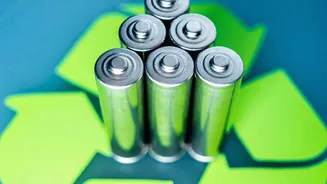
The alternative that is now gaining serious traction is the sodium-ion battery. As the name suggests, it uses sodium—an element abundantly available in common sea salt—as its key component. Sodium is one of the most plentiful elements on earth, making it drastically cheaper and its supply chain far more stable and geographically diverse. This abundance is the primary driver of cost reduction, with some estimates suggesting sodium-ion cells can be up to 40% cheaper to produce than their lithium-ion counterparts. Furthermore, they can be manufactured using much of the same equipment as lithium-ion batteries, allowing for a smoother transition for large-scale producers.
More Than Just Cheaper
The benefits of sodium-ion technology extend beyond just the sticker price. These batteries have demonstrated superior safety characteristics, with a much lower risk of thermal runaway (fires) compared to some lithium chemistries. They can be safely transported at zero charge, simplifying logistics. Sodium-ion batteries also perform exceptionally well in a wider range of temperatures, both hot and cold. While early versions have a slightly lower energy density—meaning a scooter might have a shorter range compared to a lithium-powered one of the same weight—this is often a worthy trade-off for urban commuting. The range provided is typically more than sufficient for daily city travel, and the technology is rapidly improving.
From Lab Breakthrough to Showroom Floor
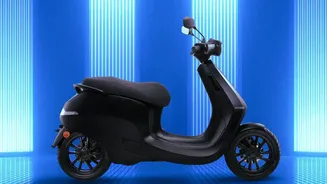
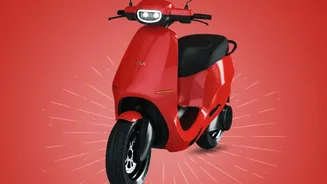
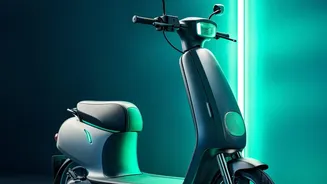
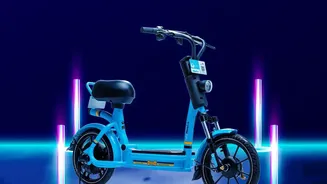
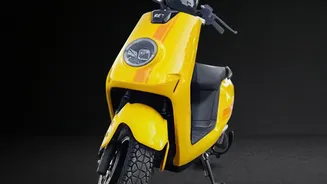
This is no longer a futuristic concept. Major battery manufacturers and EV companies are actively bringing sodium-ion powered vehicles to market. Chinese manufacturer Yadea, a global leader in electric two-wheelers, has already launched models using this technology. In India, the push is also underway. Companies like Reliance have invested heavily by acquiring sodium-ion tech firms, aiming to produce these batteries locally. Meanwhile, Nashik-based manufacturer Jitendra New EV Tech is planning to launch electric two-wheelers with indigenously developed sodium-ion batteries within the next year. These companies are specifically targeting the affordable, entry-level segment, directly translating battery cost savings into lower retail prices for consumers.
What This Means for India's EV Market
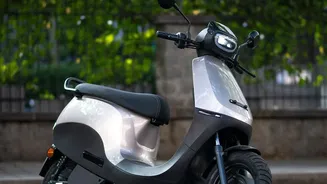
The introduction of more affordable, sodium-ion powered electric scooters is a potential game-changer for India. By lowering the upfront cost, these vehicles can make electric mobility accessible to a much larger portion of the population. This directly supports the government's ambitious goals for EV penetration and reducing carbon emissions. A lower price point breaks down the most significant barrier for millions of potential buyers, accelerating the shift away from petrol-powered two-wheelers. The improved safety and suitability for India's diverse climate are added bonuses that will build consumer confidence. The move also fosters energy independence by reducing reliance on imported lithium.