







Welcome to Chariot Season
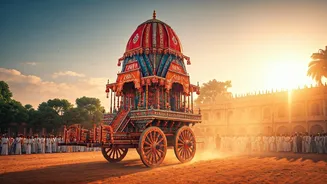
When we say “chariot season,” one colossal event immediately comes to mind: the Puri Rath Yatra in Odisha. Held annually during the monsoon months, this is one of the world's oldest and largest religious processions. Forget what you think you know about
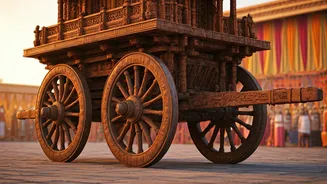
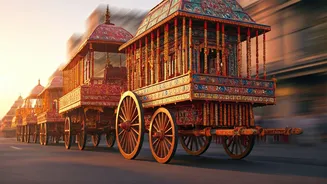
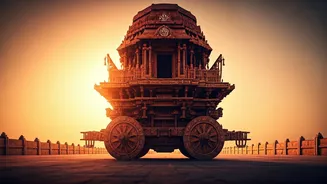
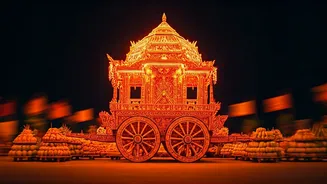
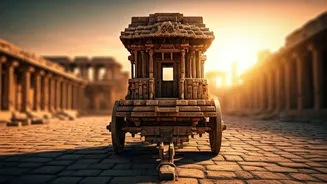
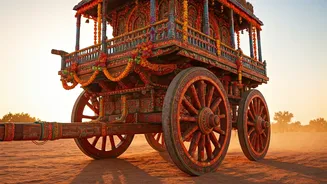
festivals. This is a spectacle on a divine scale. Three massive wooden chariots, towering over 45 feet high and decorated in brilliant fabrics, are constructed anew each year. These are not mere floats; they are temporary mobile temples for the deities Lord Jagannath, his brother Balabhadra, and sister Subhadra. The central act of the festival is the pulling of these chariots by hand, with ropes thick as a human arm, by hundreds of thousands of devotees along the Grand Road to the Gundicha Temple, their aunt's home. The energy is electric, a mix of devotional fervour, rhythmic chanting, and the thunderous sound of gongs and drums.
The Shift from Tourist to Pilgrim
For decades, such events were largely the domain of the devout. Tourists might have observed from a safe distance, but they weren't necessarily participants. That's changing. The modern traveller, armed with a smartphone but yearning for authenticity, is seeking more than just a pretty picture. They want a story, an experience that feels real and transformative. The Rath Yatra offers exactly that. It’s an antidote to the curated, filtered perfection of a typical vacation. It is crowded, loud, and intense. It requires patience and a surrender to the overwhelming power of the crowd. Participating, even just by being present in the sea of humanity, is a powerful act of stepping outside one's comfort zone and into the heart of a living tradition.
Why This Is the Ultimate ‘Flex’
So, why is this a “flex”? Because it signifies a different kind of travel currency. It says you value depth over surface-level luxury. Surviving the throng, witnessing the sheer scale of devotion, and understanding even a fraction of the millennia-old tradition behind it is a badge of honour for the culturally curious. It’s a flex of endurance, open-mindedness, and a desire to connect with the roots of Indian culture. Posting a photo from the Grand Road in Puri is not just showing where you are; it’s showing who you are as a traveller—someone who seeks meaning over comfort and immersion over observation. It’s a testament to a journey that challenges you physically and emotionally, leaving a far more lasting impression than a week spent by a pool.
Beyond Puri: A Nationwide Phenomenon
While the Puri Rath Yatra is the epicentre of chariot season, similar, albeit smaller, festivals happen across the country. Cities like Ahmedabad, Kolkata, and even international locations with significant Hindu populations host their own Rath Yatras. Each has its own local flavour and traditions, offering different ways to experience the same core event. This accessibility allows more people to partake in the phenomenon. The rise of social media has played a huge role in its popularisation, with stunning drone shots and visceral on-the-ground videos demystifying the festival and showcasing its incredible visual power to a new generation. What was once seen primarily as a religious event is now also being recognised as a monumental cultural spectacle worth experiencing, regardless of one's personal faith.
Planning for the Experience
Experiencing chariot season isn't a casual weekend trip; it requires planning and the right mindset. The crowds are immense, and accommodation in host cities like Puri gets booked up months, sometimes a year, in advance. The weather is typically hot and humid, often with monsoon downpours that do little to dampen the spirits of the devotees. The key is to go with an attitude of respect and humility. This is a sacred event, and dressing modestly, being mindful of your surroundings, and following the flow of the crowd are essential. For many, the most rewarding experience comes not from fighting for a perfect view, but from simply being part of the collective energy and witnessing a tradition that has endured for centuries.