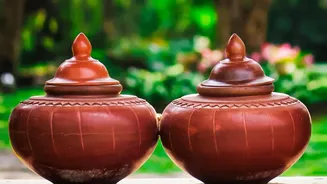




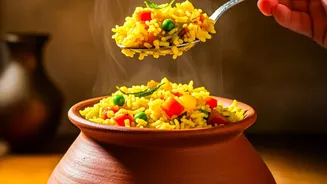

The Science of Porosity and Moisture
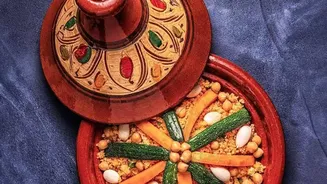
The secret to a clay pot’s magic lies in its porous nature. Unlike metal, unglazed clay absorbs water. Before cooking, the pot is soaked, allowing the clay to drink in moisture. As it heats up, this absorbed water turns into steam, which then circulates
inside the pot. This creates a self-basting effect, cooking food gently in its own juices and preventing it from drying out. The result is incredibly tender meat and succulent vegetables without the need for excess oil or water, a feat difficult to replicate in standard metal pans. This slow, even distribution of heat is fundamental to clay pot cooking, ensuring food is cooked through without harsh hot spots that can burn ingredients and destroy nutrients.
Locking In Nutrients and Balancing Flavours
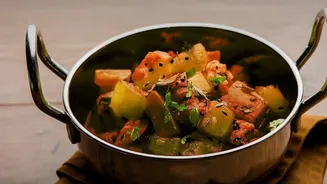
That gentle, slow-cooking process does more than just create a tender texture; it helps preserve the food's nutritional integrity. High-heat cooking can degrade sensitive vitamins and minerals. Clay pots cook food at lower, more stable temperatures, which helps in retaining more of the natural vitamins and nutrients. Furthermore, clay is naturally alkaline. When you cook acidic ingredients like tomatoes or tamarind, the clay interacts with the food to help balance its pH level. This not only makes the dish easier to digest but can also lend a subtle, natural sweetness, rounding out sharp, acidic flavours.
An Infusion of Earthy Flavour
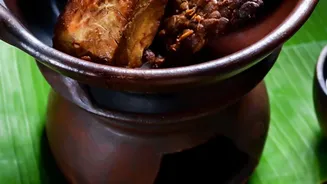
Anyone who has eaten a dish prepared in a clay pot, or 'handi', will recognise its unique, earthy aroma and taste. This is not just imagination. The clay itself imparts a subtle flavour that enhances the spices and ingredients within. Because the pot retains moisture so effectively, flavours and seasonings penetrate deeper into the food, creating a richer and more complex taste profile. This unique characteristic is why many traditional Indian recipes specifically call for earthen pots to achieve an authentic flavour that simply cannot be matched by modern cookware.
Iconic Dishes from Earthen Roots
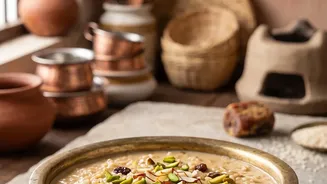
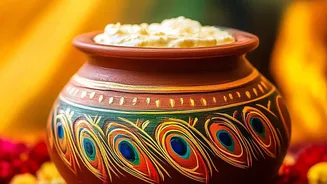
Across India, regional cuisines have long celebrated the benefits of clay pot cooking. In Kerala, fish curry (or 'meen chatti') is traditionally prepared in a clay pot to intensify its flavours. The famous Hyderabadi Biryani often involves the 'dum' technique, where ingredients are layered in a sealed pot and slow-cooked, allowing the rice and meat to steam in their own aromatic juices. Lentil dishes like dal, which benefit from long, slow simmering, become incredibly flavourful and creamy when cooked in clay. Even simple village-style meals of rice and vegetables, popular in regions like Bengal, gain a special character from being cooked in clay. From rich kormas to the simple pleasure of 'matka kulfi', the clay pot is an integral part of India's culinary heritage.