








What Exactly Are Ultra-Processed Foods?
Not all processed food is bad. Minimal processing like freezing peas or canning tomatoes is perfectly fine. The concern lies with 'ultra-processed' products. According to the widely used NOVA classification system, these are not just modified foods but
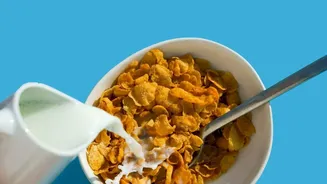
industrial formulations. They are made from substances extracted from foods (like protein isolates, high-fructose corn syrup, and hydrogenated oils) and combined with additives to make them hyper-palatable and long-lasting. Think of ingredients you wouldn't typically find in a home kitchen: emulsifiers, thickeners, artificial colours, and flavours. Examples include packaged snacks, fizzy drinks, instant noodles, sugary breakfast cereals, and mass-produced packaged breads.
Why Are They A Concern?
The problem with UPFs goes beyond their high content of salt, sugar, and fat. The industrial processing itself changes the food's structure, which can affect how our bodies register fullness, leading to overconsumption. These products are specifically designed to be convenient, highly profitable due to low-cost ingredients, and intensely appealing, which can displace healthier, whole foods from our diet. Furthermore, emerging research points to the potential negative effects of the cocktail of additives, like emulsifiers and artificial sweeteners, on our gut microbiome and overall inflammation levels. They are often nutrient-poor, lacking the fibre, vitamins, and minerals found in whole foods.
The Latest Evidence on Health Risks
The scientific consensus on the harms of UPFs has grown stronger. A major 2024 umbrella review, which summarised findings from 45 separate analyses involving nearly 10 million people, found direct links between high UPF consumption and 32 adverse health outcomes. The evidence is particularly strong for a higher risk of cardiovascular disease-related death (around a 50% increase), anxiety and common mental disorders (a 48-53% increase), and type 2 diabetes (a 12% increase). Other large-scale analyses have consistently linked higher UPF intake to an increased risk of obesity, hypertension, certain cancers, and overall premature death. Researchers believe this is due to a combination of poor nutritional profiles and the physical and chemical effects of industrial processing.
The Rise of UPFs in India
This is not just a Western problem. India is experiencing a rapid shift in its food environment, with traditional diets giving way to convenient, packaged options. The retail sales of UPFs in India grew at a compound annual growth rate of over 13% from 2011 to 2021. Products like sweet biscuits, salty snacks, instant noodles, and sugary beverages are penetrating both urban and rural markets at an alarming rate. This dietary transition is contributing to rising rates of obesity and non-communicable diseases like diabetes and hypertension across the country. One study noted that an average Indian household now gets more calories from processed foods than from fruits.
How to Spot a UPF
Identifying UPFs is easier than you think. The key is to read the ingredients list. A long list of ingredients you don't recognise or wouldn't use in your own cooking is a major red flag. Look for terms like hydrogenated oils, hydrolysed proteins, protein isolates, high-fructose corn syrup, maltodextrin, and chemical-sounding additives like colours, flavour enhancers, and emulsifiers. If the product makes health claims like “added fibre” or is labelled as “instant” or “flavoured,” it deserves a closer look. The goal is to choose foods with short, recognisable ingredient lists that are as close to their natural state as possible.