




An Escape from the Urban Grind
The post-pandemic work culture has permanently shifted expectations. For many young professionals in bustling metro cities like Delhi, Mumbai, and Bengaluru, the daily grind of traffic, pollution, and high living costs has lost its appeal. The ability
to work from anywhere has transformed from a temporary measure into a deliberate lifestyle choice. They aren't just seeking a change of scenery, but a fundamental shift in their quality of life. This exodus is driven by a search for balance, wellness, and a deeper connection to nature—qualities that the concrete jungle often fails to provide. The lure of a place where well-being is integrated into daily life, rather than being an afterthought, has become incredibly powerful.
The Unique Pull of Rishikesh
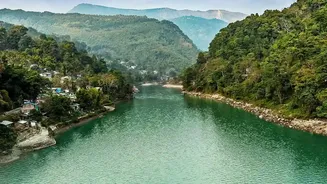
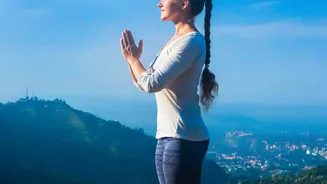
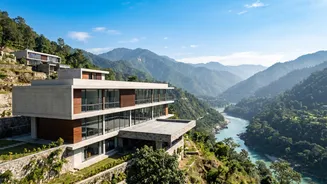
Rishikesh, long known as the 'Yoga Capital of the World', has a unique appeal that extends beyond its spiritual roots. The town offers a rare blend of tranquillity and adventure. Mornings can begin with yoga or meditation by the river, while weekends can be spent trekking to waterfalls or rafting down the Ganga. This environment provides a natural antidote to corporate burnout. For young professionals, it’s not just about escaping the city; it’s about embracing a holistic lifestyle where mental and physical wellness are part of the daily routine. The town's atmosphere, where ancient chants mix with the buzz of modern cafes, creates a vibrant, inspiring backdrop for both work and personal growth.
The Rise of a 'Work-from-Hills' Infrastructure
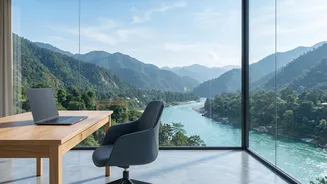
This trend wouldn't be possible without a supportive infrastructure. Rishikesh has rapidly adapted to the needs of digital nomads and remote workers. Areas like Tapovan and Laxman Jhula are now dotted with co-working spaces, hostels, and cafes offering reliable high-speed Wi-Fi and power backups. Establishments like Skyard Hostel and BunkStay actively cater to the 'workation' crowd, providing dedicated workspaces, community events, and packages for longer stays. These hubs foster a sense of community, allowing professionals to network and socialize with like-minded individuals, dispelling the isolation that can sometimes accompany remote work. Many cafes also double as informal workspaces, offering stunning river views along with coffee and connectivity.
Crafting the New Work-Life Rhythm
So, what does a typical day look like? It’s a carefully structured blend of productivity and peace. Many adopt a routine of focused work in the morning, when the mind is fresh and the town is quiet. Afternoons might involve a walk along the river, a visit to a local cafe for a change of pace, or simply working from a balcony overlooking the Ganga. The evenings are often reserved for restorative activities like attending the Ganga Aarti, joining a sound healing session, or simply unwinding. This rhythm replaces the rigid 9-to-5 with a more fluid, intuitive schedule that prioritizes deep work while leaving ample room for the wellness activities that make Rishikesh special. It's less about a permanent vacation and more about a sustainable, fulfilling way of living.
The Practical Realities and Rewards
While the image of working from a serene balcony is idyllic, there are practical considerations. Reliable internet, once a major concern, is now widely available through 4G networks and Wi-Fi at most establishments, though having a backup data plan is always wise. The cost of living is significantly lower than in major cities, making it an affordable long-term option. A single person can live comfortably for a fraction of the cost of city living, enjoying access to fresh, healthy food and countless wellness experiences. Challenges can arise, but for those who embrace the lifestyle, the rewards are immense: reduced stress, improved focus, and a profound sense of well-being that a traditional office environment can rarely match.