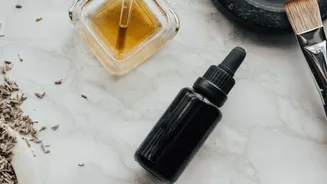








The relief of monsoon rains is often paired with a new challenge: overwhelming humidity. This sticky, damp air can make skin feel greasy and lead to clogged pores and breakouts. But you don't need a total routine overhaul to keep your skin happy.
Swap Heavy Creams for Lightweight Moisturisers
The single
most effective change you can make is switching your moisturiser. In high humidity, the air already has plenty of moisture, and heavy, occlusive creams can feel suffocating, trapping sweat and oil. This can lead to clogged pores and a greasy complexion. Opt for a lightweight, non-comedogenic moisturiser with a gel or water-based formula. These products provide necessary hydration without adding extra weight. Look for ingredients like hyaluronic acid, which draws moisture into the skin, keeping it hydrated and balanced. Even those with oily skin should not skip this step, as properly hydrated skin is less likely to overproduce oil.
Prioritise Thorough, Gentle Cleansing
With increased sweat and oil production, cleansing becomes more important than ever. The goal is to remove impurities, sweat, and excess sebum without stripping the skin of its natural protective barrier. Washing your face twice a day is a good rule of thumb. In the evening, consider a double cleanse, especially if you wear makeup or sunscreen. Start with a cleansing oil or micellar water to break down products on the surface, followed by a gentle, foaming cleanser to wash everything away. This ensures your pores are thoroughly cleared out before you sleep. Avoid harsh, stripping cleansers, as they can trigger your skin to produce even more oil to compensate.
Never Skip Sunscreen, Even on Cloudy Days
This is a non-negotiable rule of skincare, regardless of the season. A common mistake during the monsoon is assuming that cloudy skies mean you are safe from sun damage. Up to 80% of the sun's harmful UV rays can penetrate clouds, so daily sun protection is essential to prevent pigmentation and long-term damage. To cope with the humidity, choose a lightweight, gel-based or water-resistant sunscreen that is labelled 'non-comedogenic'. This will protect your skin without contributing to clogged pores or a greasy feel.
Incorporate Gentle Exfoliation
Exfoliation helps remove the buildup of dead skin cells that, when mixed with sweat and oil, can clog pores and lead to breakouts. However, it's crucial not to overdo it. Aggressive scrubbing can irritate the skin and damage its protective barrier. Instead of harsh physical scrubs, consider using chemical exfoliants once or twice a week. Products containing Alpha Hydroxy Acids (AHAs) like glycolic acid, or Beta Hydroxy Acids (BHAs) like salicylic acid, are effective choices. BHAs are oil-soluble, meaning they can penetrate deeper into the pores to clear out congestion, making them particularly useful for oily and acne-prone skin during the monsoon.
Use a Clay Mask Weekly
To give your skin an extra deep clean and help manage excess oiliness, incorporate a clay mask into your routine once a week. Clay masks are excellent at absorbing excess sebum from the surface of the skin and from within the pores, helping to prevent blackheads and breakouts. They can leave your skin feeling refreshed and looking more matte. This is a great way to reset your skin after a particularly humid week, but be careful not to leave it on for too long, as this can dry out your skin.
Be Mindful of Fungal Acne
The warm, damp conditions of the monsoon create a perfect breeding ground for bacteria and fungi. This can sometimes lead to fungal acne, which presents as small, itchy, uniform bumps, often on the forehead, chest, and back. This condition is caused by an overgrowth of yeast in the hair follicles. If you suspect you have fungal acne, as it doesn't respond to typical acne treatments, it's best to see a dermatologist. To help prevent it, always change out of damp or sweaty clothes as soon as possible and ensure your skin is properly dried after cleansing.