



Decode Your Balcony's Sunlight
Before buying a single plant, become an observer. The single most important factor for success is matching a plant to the light it will receive. Spend a day tracking how sunlight moves across your balcony. Note when direct sun first arrives and when it leaves.
A simple way to tell direct from indirect light is by looking at shadows; a sharp, clear shadow means direct sun, while soft or absent shadows indicate indirect or reflected light. Balcony direction is a good clue: in India, a south-facing balcony generally gets the most intense light, east-facing gets gentler morning sun, and west-facing gets strong afternoon heat. North-facing balconies are the shadiest. Tally the hours of direct sun your plant locations receive to understand what you're working with. More than six hours is full sun, three to six is partial sun or partial shade, and less than three is considered a low-light or shady spot.
The Right Plant for the Right Light
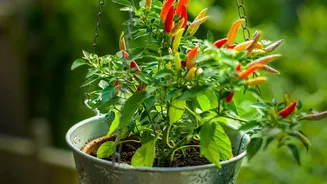
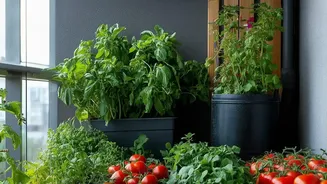
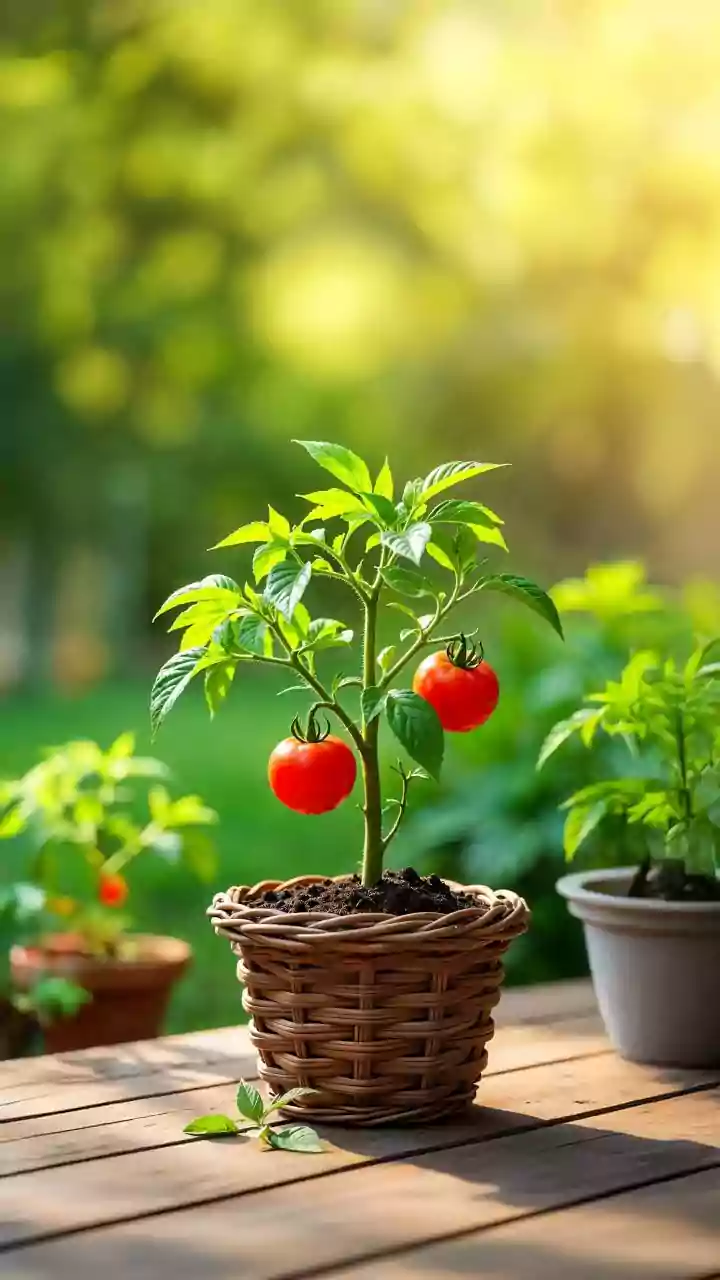
Once you know your light conditions, you can choose plants that will flourish. For sunny, south-facing balconies that get over six hours of direct sun, choose heat-loving bloomers like Bougainvillea, Hibiscus, and Marigolds. Edibles like tomatoes and chillies also thrive in these conditions. For balconies with partial sun (3-6 hours), such as those facing east or west, consider plants that appreciate a break from intense heat. Leafy greens, mint, and many herbs do well. Flowering plants like Begonia also prefer partial sunlight. For shadier, north-facing balconies, focus on foliage. Money Plants (Pothos), Snake Plants, and ZZ Plants are famously resilient in low-light conditions and require minimal care. Grouping plants with similar light needs together makes care much easier.
Mastering the Art of Watering
The most common mistake in container gardening is overwatering. Ditch a rigid daily schedule and instead, learn to 'read' your plants' needs. The best method is the finger test: stick your finger one to two inches into the soil. If it feels dry at your fingertip, it’s time to water; if it’s damp, wait another day. Remember that plants in terracotta pots dry out much faster than those in plastic ones. Smaller pots also dry out more quickly than larger ones. Wind is another factor that can rapidly dry out soil, especially in hanging baskets. During peak summer heat, you may need to water daily, but always check the soil first.
A Smarter Watering Technique
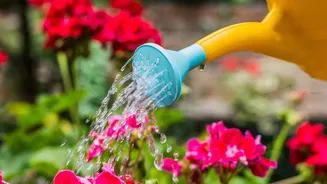
When you do water, do it deeply and thoroughly. Water the soil, not the leaves, until you see excess draining from the holes at the bottom of the pot. This encourages roots to grow deep and strong, making the plant more resilient. Watering shallowly and frequently only wets the top layer of soil, leading to weak, shallow roots that are vulnerable to heat. The best time to water is in the early morning. This allows the plant to hydrate before the heat of the day and lets foliage dry, reducing the risk of fungal diseases that can develop on wet leaves overnight. During monsoon season, be extra cautious. Even if it's raining, covered balconies may keep pots dry, while others become waterlogged. Always check drainage holes to ensure they aren't blocked, preventing root rot.
Essential Extras for Lush Growth
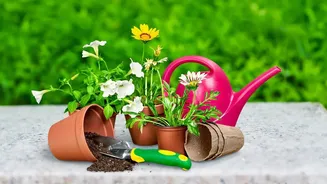
While light and water are the pillars of plant care, a few other elements will help your balcony garden thrive. Ensure every pot has drainage holes. Without them, water will pool at the bottom, leading to root rot. Use a good quality potting mix rather than garden soil, as it's formulated to provide the right balance of drainage and water retention for containers. Finally, remember that container plants have limited access to nutrients. You will need to feed them occasionally with a suitable fertiliser, especially flowering and fruiting varieties, to replenish the nutrients in the soil and support vigorous growth.