






The Invisible Invasion in Our Food
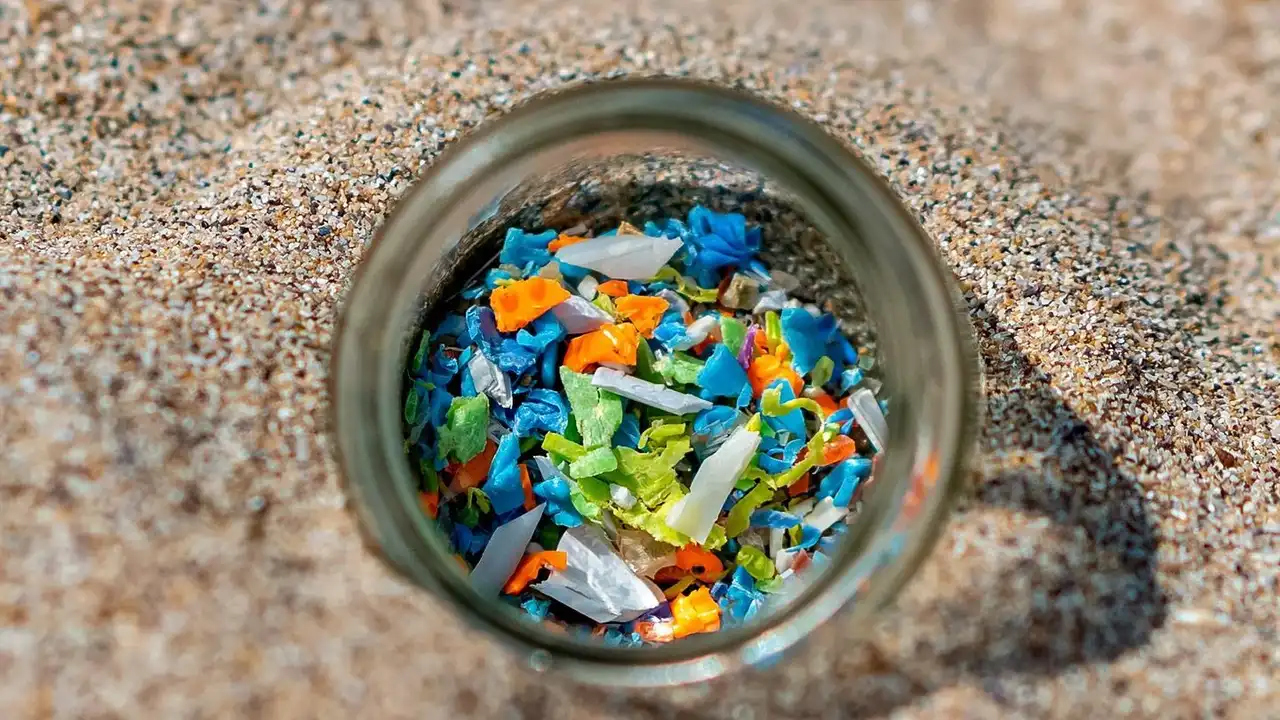
Microplastics are minuscule plastic fragments, typically defined as being smaller than five millimeters. They originate from two main sources: primary microplastics, which are manufactured as small particles for products like cosmetics, and secondary
microplastics, which result from the breakdown of larger plastic items like bottles, bags, and packaging. Over time, weathering and environmental forces fragment this waste into countless tiny pieces that contaminate soil, water, and air. This widespread pollution means they inevitably find their way into the food chain, from the deepest oceans to the farms that grow our produce.
From the Environment to Your Plate
The pathways for microplastics to enter our diet are numerous. In the marine environment, fish and shellfish can ingest these particles, mistaking them for food. While many particles remain in the gut, which is often removed before consumption, the potential for transfer to humans exists, especially with shellfish eaten whole. But it’s not just seafood. Studies have found microplastics in a wide array of products, including honey, beer, sugar, and bottled water. They can contaminate table salt during the evaporation process and are even absorbed by fruits and vegetables through their root systems from contaminated soil and water. Food processing and packaging are also significant sources, with studies showing that plastic containers and utensils can release particles into food.
An Emerging and Unsettling Health Picture
The central reason for the increased scrutiny is the growing concern over what these particles do once inside our bodies. While regulatory bodies like the U.S. FDA state that current evidence doesn't demonstrate a definitive health risk at detected levels, a wave of research suggests potential harm. Laboratory studies on human cells and animals have linked microplastic exposure to a range of adverse effects, including inflammation, cell damage, and oxidative stress. Some chemicals used in plastics, like phthalates and bisphenol A (BPA), are known endocrine disruptors that can leach from the particles, potentially interfering with hormonal functions. Particles have been detected in various human organs, including the brain and heart, as well as in blood, breastmilk, and placentas, indicating we are being exposed from the earliest stages of life.
The New Science of Detection
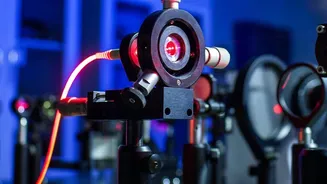
A major driver behind the recent focus is the advancement in detection technology. For years, the lack of standardized methods made it difficult to accurately measure microplastic contamination. Now, researchers are employing sophisticated techniques like Fourier-transform infrared (FTIR) spectroscopy and Raman spectroscopy. These methods act like a spectral fingerprint, allowing scientists to identify the specific type of polymer in a sample. Coupled with high-resolution microscopy and mass spectrometry, these tools enable more precise counting, sizing, and characterization of these tiny invaders. As these methods become more refined and harmonized, researchers can build a much clearer picture of human exposure levels and begin to draw more definitive links to health outcomes.