




What is a Celestial Conjunction?
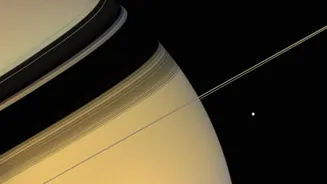
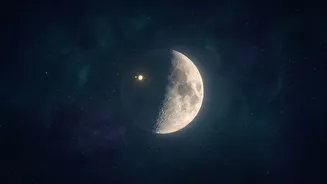
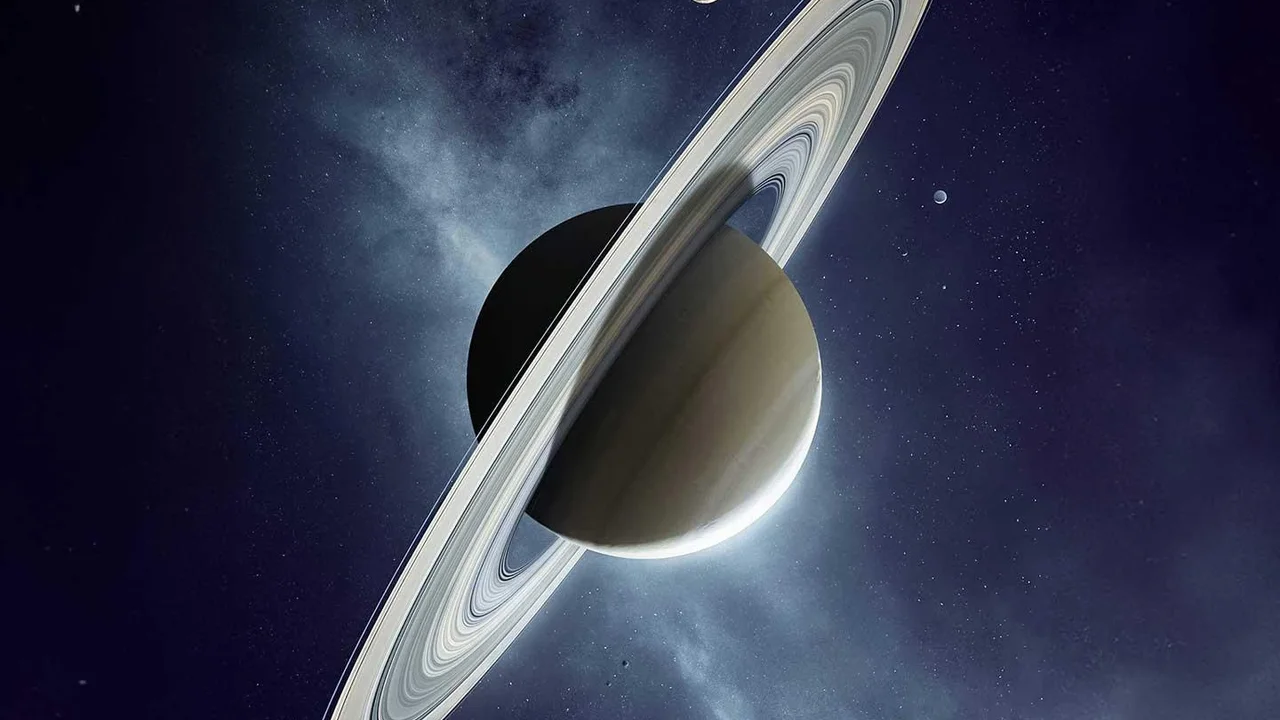
In astronomy, a conjunction or close approach is a beautiful line-of-sight illusion. When two celestial bodies like the Moon and a planet appear to pass near each other in our sky, it's called a conjunction. They aren't physically close, of course—Saturn
remains over a billion kilometres away from Earth. But from our perspective, they create a stunning temporary pair, offering a fantastic opportunity for observation and photography.
The Main Event: When to Watch in India
Mark your calendars for the nights of October 24 and 25, 2026. During this period, the waxing gibbous Moon will be seen gliding near Saturn. The pair will be visible for most of the night, rising in the eastern sky after sunset. This event coincides with the lead-up to the full Hunter's Moon on October 26, meaning the Moon will be exceptionally bright and easy to find. The best viewing will be in the evening, as soon as the sky gets dark.
How to Find the Moon and Saturn
You won't need a map to find the Moon; its brilliant glow will be your guide. On the evenings of October 24 and 25, look towards the east after sunset. You will spot a bright, steady, yellowish point of light very close to the Moon—that's Saturn. Unlike stars, which twinkle, planets typically shine with a more constant light. Saturn has been a prominent feature in the night sky all month following its opposition in early October, when it was at its brightest for the year. Simply find the Moon, and the lord of the rings will be its nearby companion.
Viewing With and Without a Telescope
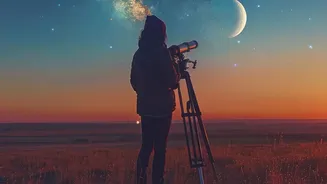
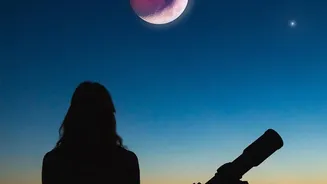
This event is perfectly visible to the naked eye. You'll easily be able to appreciate the close pairing without any special equipment. For the best experience, find a location away from bright city lights to allow your eyes to adapt to the darkness. If you have a pair of binoculars, they will offer a clearer view of Saturn as a distinct orb, but they won't be powerful enough to resolve its famous rings. However, if you have access to even a small telescope, you're in for a treat. A telescope will reveal Saturn's magnificent rings, which are currently tilted at a narrow angle but still breathtakingly beautiful. It's the perfect opportunity to see the planet's most iconic feature.
Why This Is a Great Time for Stargazing
October and November are often considered a golden window for stargazing in India. The monsoon has washed dust and pollutants from the atmosphere, leading to exceptionally clear skies before the winter haze sets in. Whether you're in the deserts of Rajasthan, the mountains of Uttarakhand, or a local park with a clear horizon, the post-monsoon clarity creates ideal conditions for looking up. This conjunction is one of several celestial highlights this month, which also includes the Orionid meteor shower.