




The Search for Guilt-Free Indulgence
The Indian healthy snacks market is booming, projected to grow from over USD 3 billion in 2025 to nearly USD 4.8 billion by 2034. This surge isn't just about cutting calories; it's a fundamental change in consumer mindset. Urban Indians, particularly
millennials and Gen Z, are increasingly health-conscious, seeking out snacks that are not just convenient but also clean, natural, and functional. They are reading labels, questioning ingredients, and demanding snacks that offer tangible benefits like high protein, high fibre, and low sugar. This has created a perfect opening for traditional foods, which naturally align with these modern wellness goals. It’s a move away from the perception that healthy means boring, towards a culture where snacking can be both indulgent and nutritious.
Makhana: The Puffed Superfood
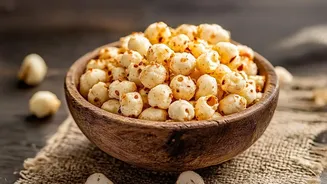
Leading this charge is makhana, or fox nuts. For centuries, these popped lotus seeds have been a part of Indian cuisine and Ayurvedic medicine. Today, they are hailed as a superfood, and for good reason. A 100g serving packs around 9.7g of protein, is rich in minerals like magnesium and potassium, and boasts a low glycaemic index, making it ideal for sustained energy. Being naturally gluten-free and low in fat, it’s a heart-friendly choice that helps with weight management by promoting a feeling of fullness. Startups have transformed this simple snack by introducing a variety of modern flavours, from zesty peri-peri to classic pudina, making it a go-to for health-conscious consumers who refuse to compromise on taste.
Millets: A Mighty Comeback
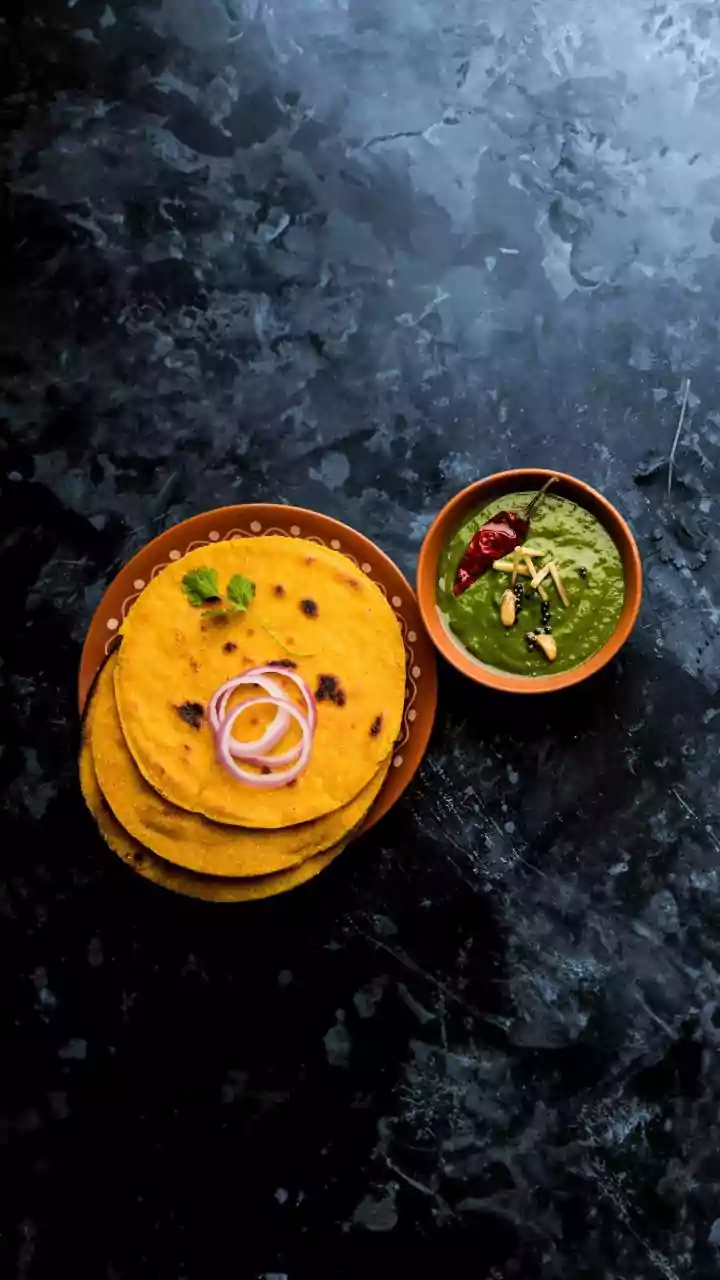
Once considered a poor man's grain, millets are experiencing a powerful revival. Thanks to government initiatives and a growing awareness of their benefits, these ancient grains are now a symbol of smart nutrition. Millets like ragi, jowar, and bajra are naturally gluten-free, high in protein and fibre, and require less water to cultivate, making them a sustainable choice. Food entrepreneurs are creatively incorporating them into a wide array of snacks, including baked chips, cookies, and breakfast cereals. This has allowed consumers to easily integrate these nutritious grains into their daily diet, moving beyond traditional rotis and porridges into more convenient, on-the-go formats.
Sattu and Chana: The Protein Powerhouses
Beyond makhana and millets, other regional heroes are entering the urban snack scene. Sattu, a flour made from roasted Bengal gram (chana), has been a staple in states like Bihar and Uttar Pradesh for centuries. It's a nutritional powerhouse, celebrated for its high protein and fibre content, which provides instant energy and aids digestion. Traditionally consumed as a cooling drink, sattu is now being reimagined into protein bars and baked snacks by innovative brands. Similarly, roasted chana, a timeless and humble snack, is being packaged in modern, convenient forms, appealing to consumers looking for a simple, whole-food source of plant-based protein.
The Business of Nostalgia
This trend is being fueled by a new wave of direct-to-consumer (D2C) brands and food startups. These companies are mastering the art of storytelling, combining tradition with modern branding. By using attractive, clean packaging and leveraging online distribution channels, they are making regional treasures accessible to a national audience. They are not just selling a product; they are selling a story of authenticity, health, and cultural pride. This approach has successfully bridged the gap between tradition and modernity, proving that the snacks our grandparents enjoyed can be perfectly at home in the fast-paced, health-aware world of today's urban Indian consumer.