




The Big Problem: Expensive Batteries
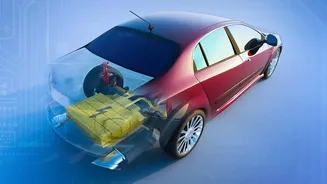
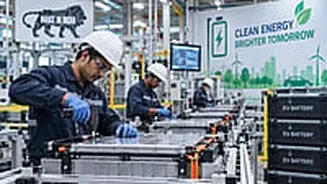
Ask anyone what stops them from buying an electric scooter or motorcycle, and you'll likely hear about the price. A huge chunk of that price tag—often 30-40% of the vehicle's total cost—comes from its lithium-ion battery pack. These batteries, while effective,
rely on a liquid or gel electrolyte and complex systems to keep them safe and cool. This adds weight, complexity, and most importantly, significant cost, which is passed directly on to the consumer. For India's price-sensitive market, this battery-driven expense has been a persistent barrier to mass EV adoption, despite government subsidies and a clear appetite for cleaner transport.
Enter the Game-Changer: Solid-State Batteries
Imagine a battery that is smaller, safer, and holds more power. That is the promise of solid-state technology. Unlike their lithium-ion cousins that use a flammable liquid electrolyte to move charge, solid-state batteries use a solid material—like a thin piece of ceramic or polymer. This fundamental change sounds simple, but its implications are massive. Removing the liquid eliminates the risk of leaks and dramatically reduces the danger of fires, a key safety concern for consumers. This also means the bulky cooling and safety systems required for liquid-based batteries are no longer necessary, opening the door for a simpler, lighter, and more compact design.
How 'Solid' Translates to 'Cheaper'
The path to a lower purchase price comes from multiple a venues. First, higher energy density means you can store more energy in a smaller, lighter package. This allows manufacturers to either offer a much longer range with a same-sized pack or, more crucially for cost, achieve the current standard range with a significantly smaller and therefore cheaper battery. Second, the simplified pack design, free from heavy cooling equipment, reduces both material costs and manufacturing complexity. Over time, as manufacturing scales up, the cost of the solid electrolyte materials themselves is expected to fall, further driving down the overall price. While currently more expensive to produce, experts widely believe that with mass production, solid-state batteries will become significantly cheaper than today's lithium-ion options.
More Than Just Price: The Extra Wins
While a lower sticker price is the headline attraction, the benefits of solid-state technology don't stop there. They offer a compelling upgrade to the entire ownership experience. Charging times could be drastically cut, with some prototypes demonstrating the ability to charge to 80% in under 15 minutes. The batteries also have a much longer lifespan, capable of enduring thousands of charge cycles with minimal degradation compared to the roughly 1,000 cycles for a typical lithium-ion battery. This means the battery could last the entire lifetime of the motorcycle. For the rider, this translates to more convenience, better performance, a longer-lasting vehicle, and the peace of mind that comes with enhanced safety.
The Road Ahead for India
The transition won't happen overnight. Mass production of solid-state batteries is a complex engineering challenge, and costs are still high in these early stages. However, the race is on. Global giants like Toyota, CATL, and BYD are investing heavily, with some targeting initial production runs around 2027-2028. In India, the push is also gaining momentum. Initiatives like the government's Production Linked Incentive (PLI) scheme for Advanced Chemistry Cells are creating a favourable ecosystem for domestic manufacturing. Companies like Vikram Solar are venturing into solid-state manufacturing, and research institutions like IIT Roorkee are making breakthroughs in the field, signaling a strong local commitment to this next-generation technology. Market forecasts project significant growth for the solid-state battery market in India over the next decade, especially driven by the EV sector.