





The Myth of the Watering Schedule
Many new plant owners believe that watering their green companions every Saturday, or every three days, is the key to success. However, this is one of the most common mistakes in plant care. A plant's thirst changes based on the season, room temperature,
humidity, and its growth cycle. During a hot Indian summer, a plant will need more water than during the monsoon when the air is humid and the soil stays moist for longer. A rigid schedule ignores these changing needs and is often the main cause of overwatering, which is considered the number one reason indoor plants fail.
Why Observation Is Better Than Routine
The primary danger of watering on a schedule is creating soggy soil, which leads to a deadly condition called root rot. Plant roots need oxygen to function, but when soil is waterlogged, it cuts off this vital air supply. The roots begin to suffocate, die, and decay. Once the roots are damaged, they can no longer absorb water or nutrients, leading to a plant that looks wilted and sick even though it's sitting in wet soil. By observing the soil first, you provide water only when the plant actually needs it, allowing the roots to breathe and thrive.
Your Fingers Are Your Best Tool
The most reliable way to check soil moisture is simple and requires no special equipment: the finger test. Gently insert your index finger about one to two inches into the soil. For most common houseplants like Money Plants, Peace Lilies, or Philodendrons, if the soil feels dry at this depth, it's time to water. If you feel moisture, it's best to wait another day or two and check again. This method gives you a direct reading of the conditions around the root zone, not just on the dry-looking surface. Some experienced gardeners also get a feel for a pot's weight; a well-watered pot is noticeably heavier than a dry one.
Reading the Visual Signs
Beyond touching the soil, your eyes can also offer important clues. If the soil has shrunk and is pulling away from the edges of the pot, it's a clear sign of dryness and a need for water. The colour of the soil is another indicator; dry soil is often lighter in colour than moist soil. However, don't rely on the top layer alone, as it always dries out first. You might also notice wilting, but this can be a tricky sign. Both overwatered and underwatered plants can wilt. An underwatered plant's leaves will feel dry and crispy, while an overwatered plant's wilting leaves often feel soft and limp because the roots are already rotting. Checking the soil is the only way to be sure.
Not All Plants Are Created Equal
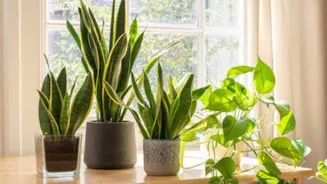
Remember that different plants have different needs. A lush, tropical plant like a fern prefers consistently moist soil, while succulents like Aloe Vera or Snake Plants need their soil to dry out almost completely between waterings. These drought-tolerant plants are especially prone to root rot if overwatered. For these varieties, which are very popular in Indian homes for their low-maintenance nature, it is crucial to wait until the soil is thoroughly dry before giving them another drink. Observing the soil allows you to cater to each plant's unique preference, moving you from a plant owner to a true plant parent.