



A Reaction Against Sameness
For years, the ideal home was often portrayed as a flawless, minimalist space, easily replicated from a catalogue or social media feed. This led to a sea of similar-looking interiors, dominated by machine-made furniture and decor. Now, there's a growing
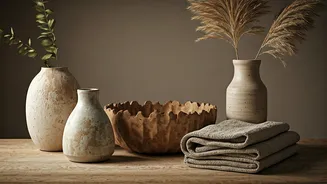
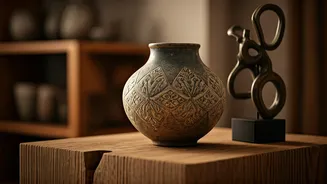
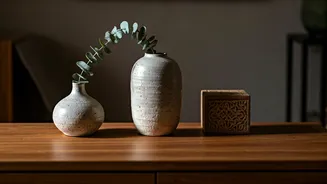
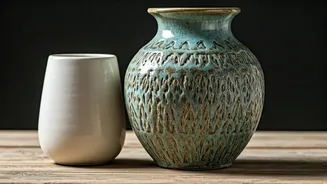
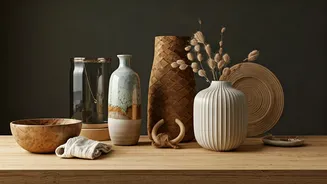
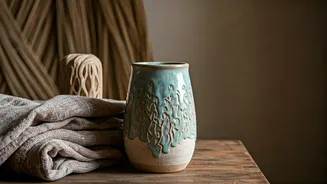
desire for homes that feel personal and tell a story. Consumers are increasingly rejecting the monotony of big-box stores, seeking authenticity and individuality in their living spaces. This shift is a rebellion against the generic, a craving for objects that have a human touch and a distinct character that cannot be mass-produced. The small imperfections in a hand-thrown vase or the unique grain in a carved wooden bowl are no longer seen as flaws, but as marks of true craftsmanship.
The Soul of the Story
Artisanal pieces are more than just objects; they are carriers of stories, culture, and intention. Knowing that an item was shaped by a person, with skill passed down through generations, creates a powerful emotional connection. This narrative depth is something mass-produced items lack. The return to craft reflects a deeper desire for tactility and a connection to the physical world, especially as our lives become more digital. In 2026, luxury is less about a brand name and more about the authenticity and story behind a piece. Whether it's a handwoven textile or a piece of ceramic art, these items bring a sense of history and soul into a home, making it feel more grounded and lived-in.
Celebrating Indian Craftsmanship
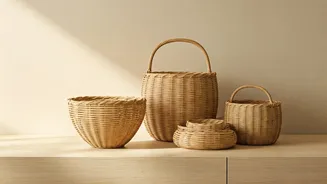
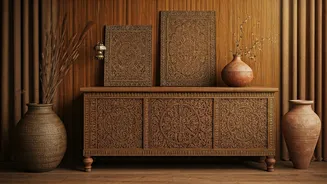
This global trend holds special significance in India, a country with an incredibly rich and diverse history of handicrafts. From Rajasthan's block prints to the intricate cane work of the Northeast, traditional crafts are finding new life in modern Indian homes. A new generation of designers is collaborating with local artisans, blending age-old techniques with contemporary aesthetics to create pieces that are both timeless and relevant. This revival is not just about aesthetics; it is a movement towards preserving cultural heritage and supporting local artisan communities. By choosing indigenous crafts like Dhokra metalwork or Pattachitra art, homeowners can bring a piece of India's artistic legacy into their living spaces, creating interiors that are uniquely their own.
Sustainability and Conscious Choices
The comeback of artisanal decor is also closely linked to a growing awareness around sustainability. Consumers are increasingly conscious of the environmental impact of their purchases. Mass production often involves resource-intensive processes and materials that can be harmful to the environment. In contrast, handcrafted goods are typically made in smaller batches, using locally sourced, natural, and often eco-friendly materials. Choosing handmade products is a vote for quality over quantity, durability over disposability, and ethical production practices that support small businesses and artisans directly.
How to Embrace the Artisanal Trend
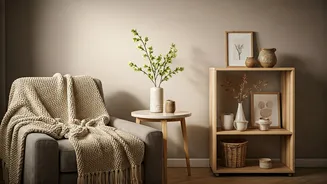
Incorporating this trend doesn't require a complete home overhaul. Start small. Visit local artisan markets, government emporiums, or explore online platforms that connect buyers directly with craftspeople. Look for pieces that speak to you personally. It could be a set of hand-painted ceramic mugs for your kitchen, a block-printed cushion for your sofa, or a single piece of striking wall art. The key is to mix these unique finds with your existing decor. By balancing handcrafted items with modern design, you can create a space that feels layered, personal, and full of character. It’s about curating a home that reflects who you are, one beautiful, story-filled object at a time.